
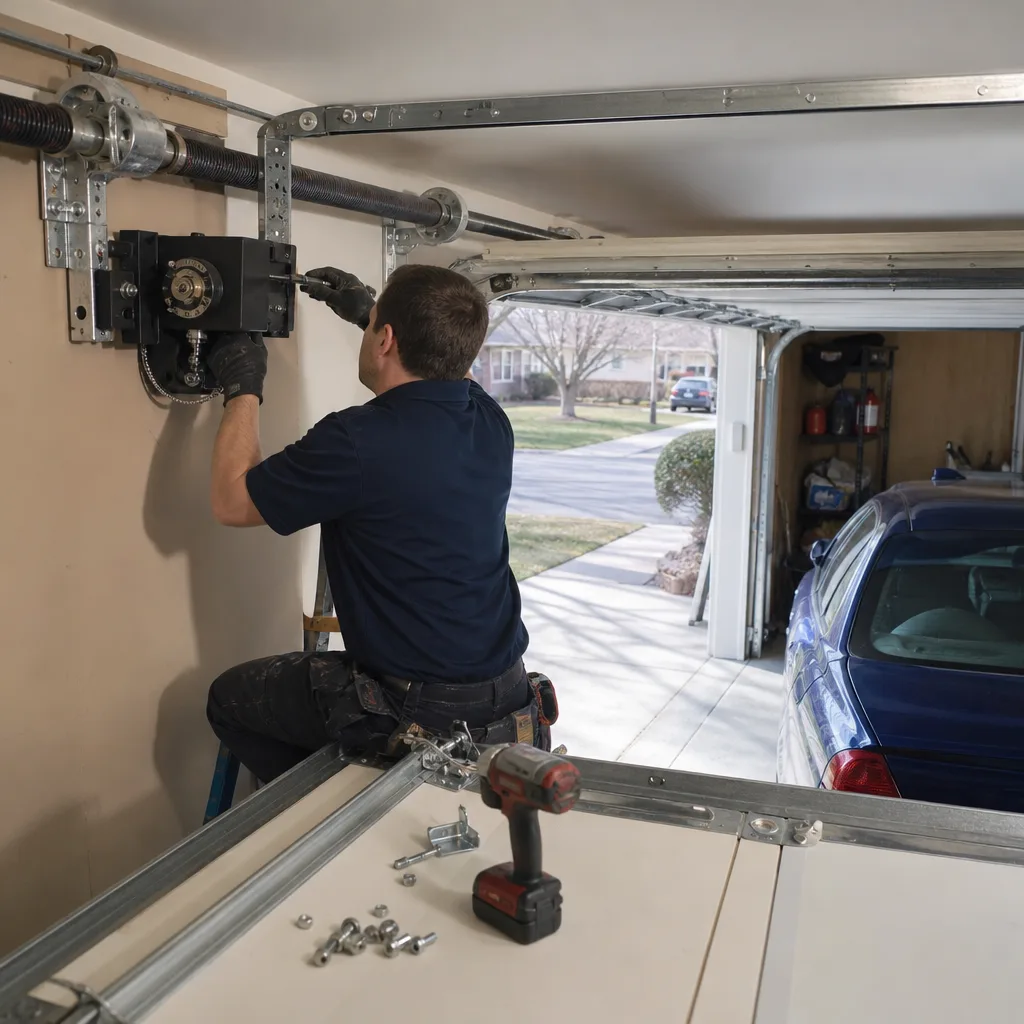
Last updated November 23, 2026
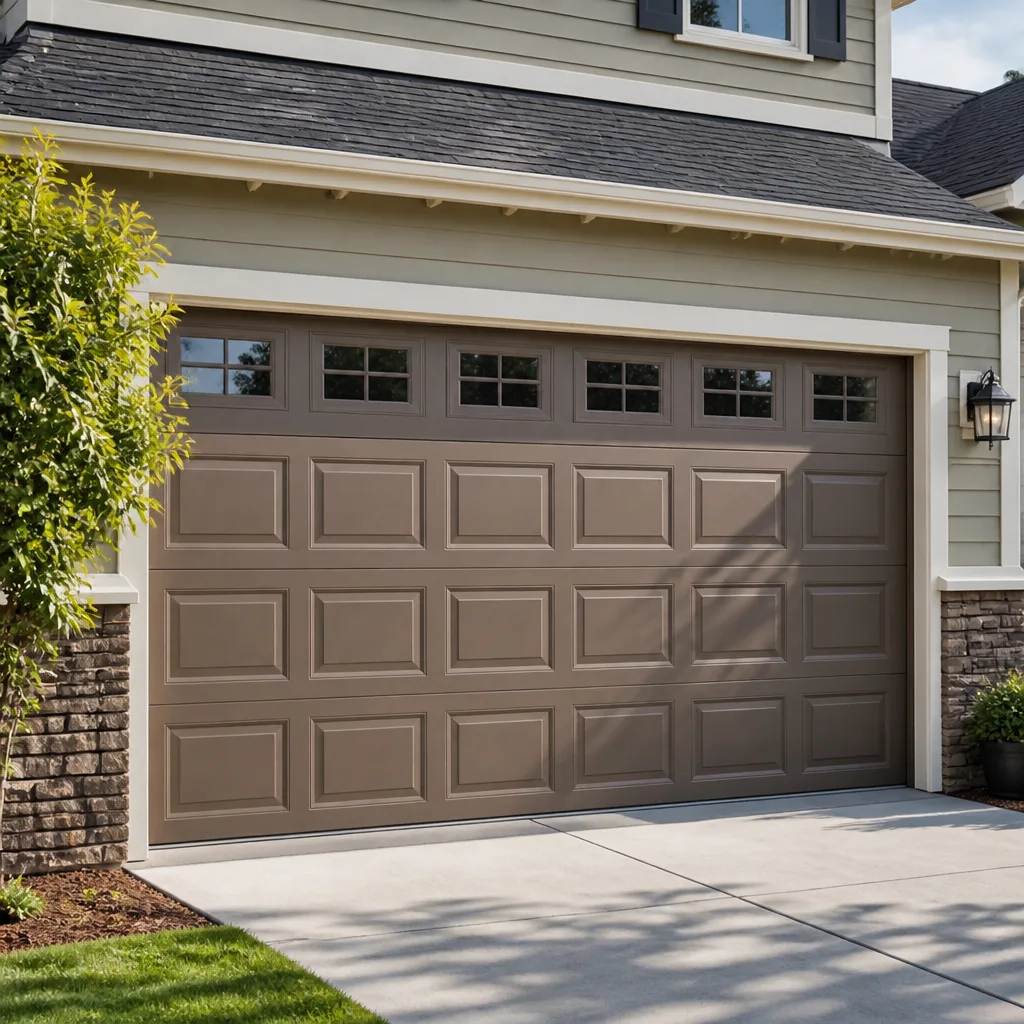 Raised-panel steel
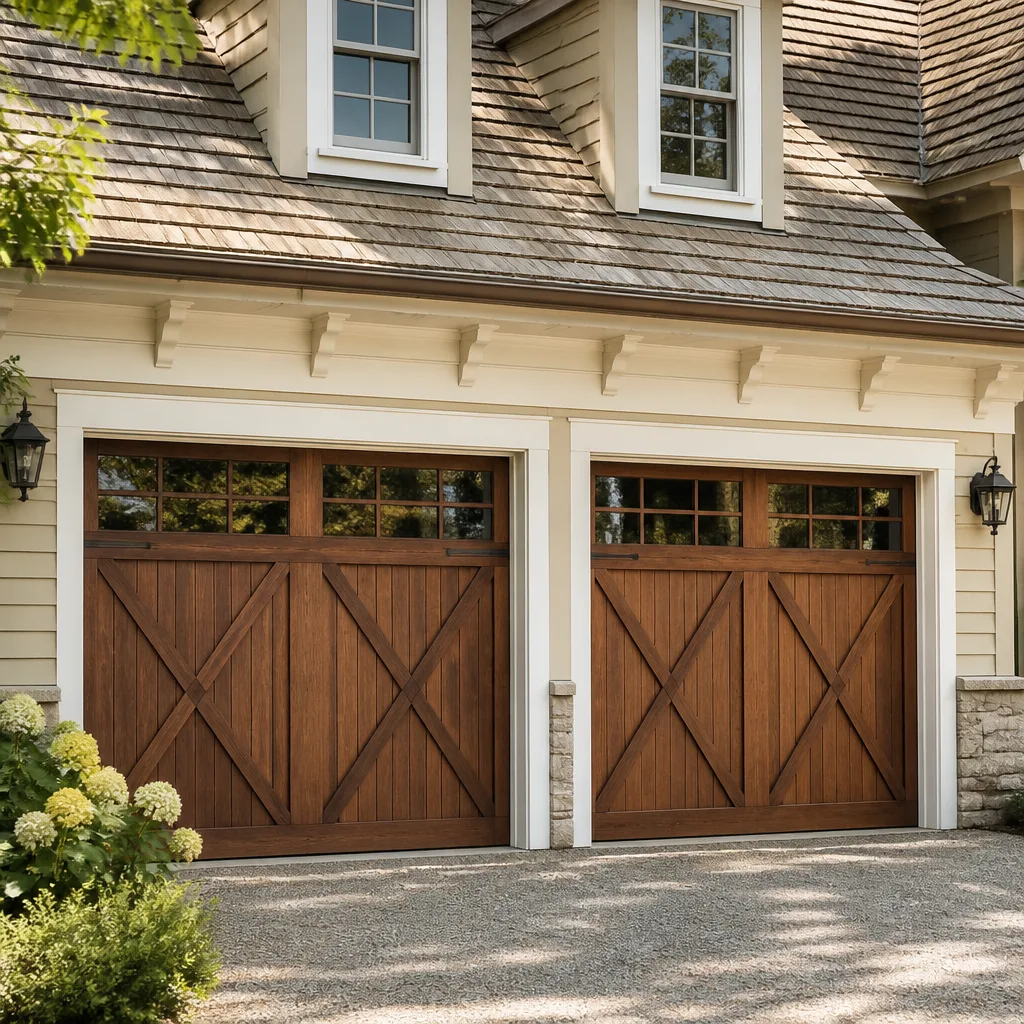 Carriage house
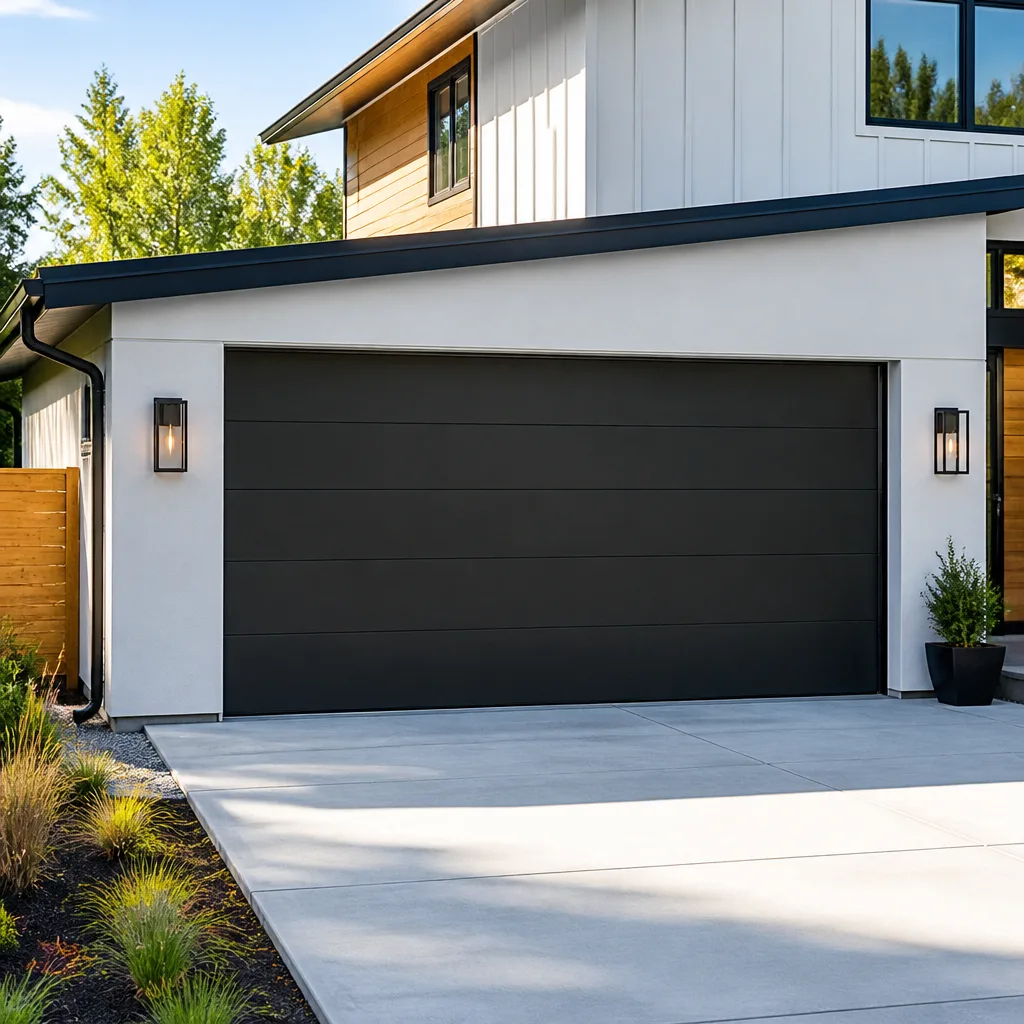 Modern flush
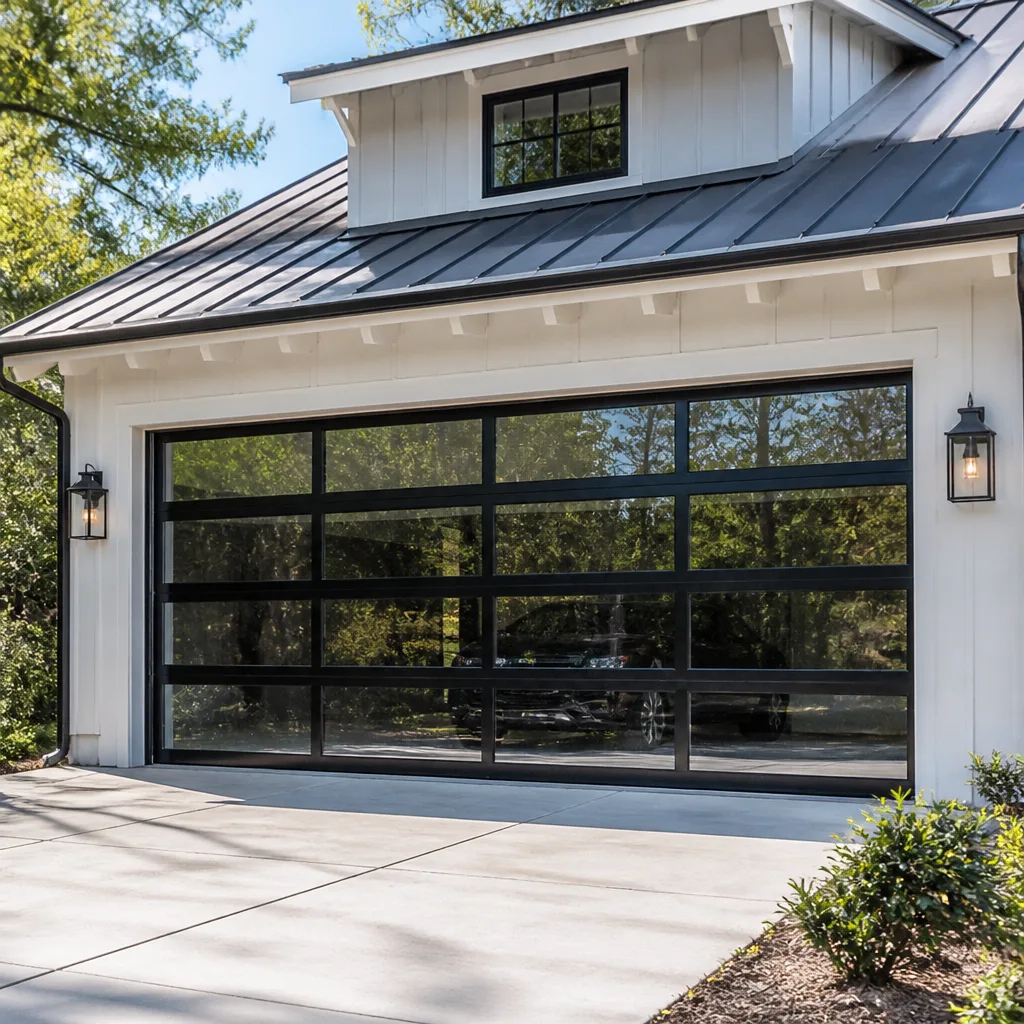 Full-view glass
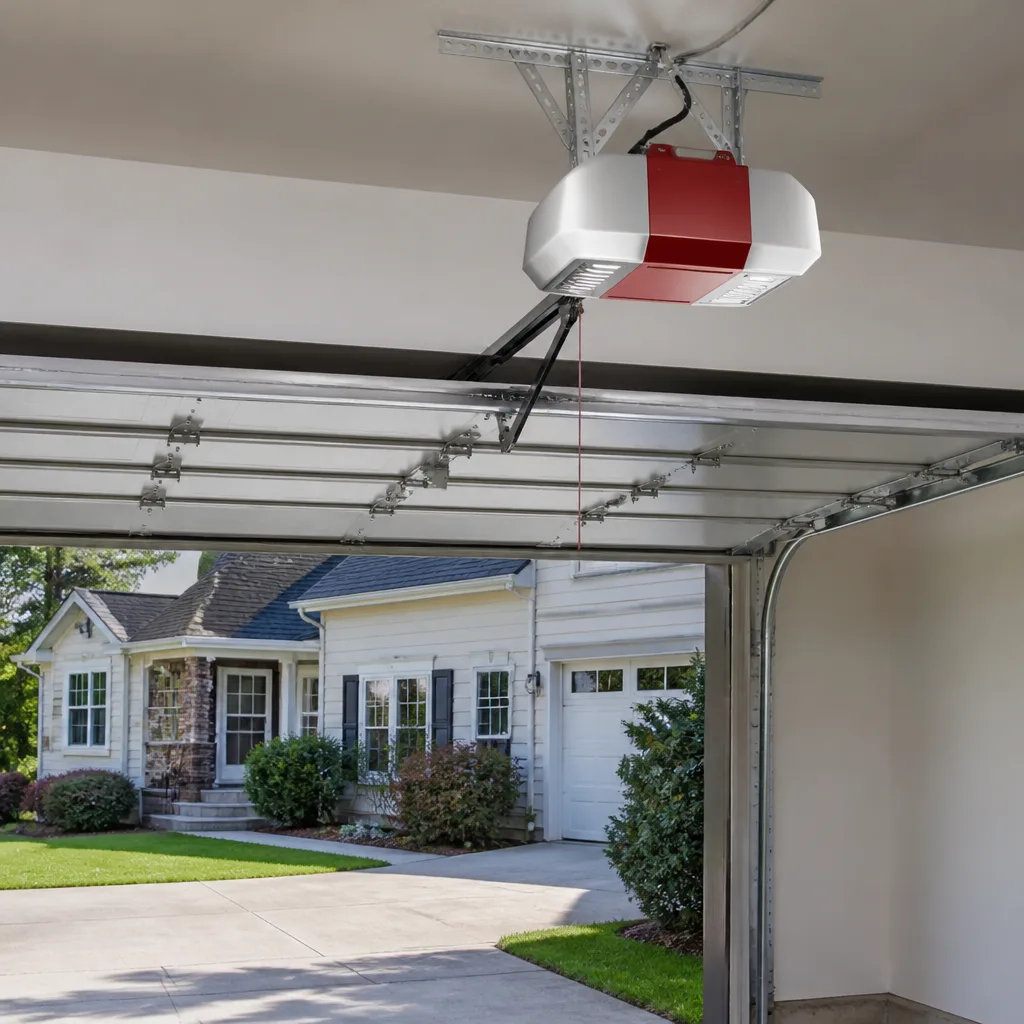 LiftMaster openers
 Chamberlain openers
Full 25-point door and opener safety check with every visit - springs, cables, rollers, tracks, and your LiftMaster or Chamberlain opener included
You get a price before we start. It does not change when the pro arrives.
Get your free estimateGarage Door Emergency Preparedness Guide for Naperville Homes
Most homeowners prepare for the moment the door breaks, not the moment before it breaks. That’s the misconception worth correcting first. A garage door emergency rarely rewards quick thinking. It rewards decisions you made earlier, when the weather was fine and nothing was wrong. If your door fails and you’ve never located the manual release cord, you may find yourself outside on a Naperville February night, phone battery draining, trying to learn the procedure from a video while your hands go numb. For the many homes here where the garage is the main way in and out, that’s a security and safety problem, not just an inconvenience. This guide covers what to sort out before something fails: release cords, a written info card, securing a door stuck open, safe exit decisions, and what to tell a dispatcher so the right technician arrives with the right parts. We’re Naperville Garage Door Repair Pros, and this is written by a garage door specialist, not a generalist.
Quick Answer
The best way to prepare for a garage door emergency in Naperville is to know three things in advance: where your manual release cord is and how it behaves on your specific opener, whether your door uses torsion or extension springs, and which door system you own (LiftMaster, Chamberlain, Genie, Clopay and Raynor are all common here). Write those details on a card and keep it near the garage. If a door fails, don’t force it. Call a specialist, secure the opening, and use a secondary exit if you can’t get out safely. Call (866) 947-9076 if your door needs help today. We answer 24/7, with fast dispatch from 7am to 7pm, Sunday through Friday.
Styles & brands we work with
- Raised-panel steel
- Carriage house
- Modern flush
- Full-view glass
- LiftMaster openers
- Chamberlain openers
Table of Contents
- How the Manual Release Works on the Openers in Naperville Homes
- The Pre-Emergency Information Card Every Home Should Have
- Securing a Garage Door Stuck in the Open Position
- Assessing Whether a Failed Door Is Passable on Foot
- What to Tell the Dispatcher for Faster, Better Service
- Why Broken Springs Are a Different Kind of Emergency
- Preparing a Naperville Garage for Winter Failures
- Preventive Checks That Reduce Emergency Calls
How the Manual Release Works on the Openers in Naperville Homes
The manual release is the single most important piece of hardware in a garage door failure, and it’s the one most people have never used. In simple terms, the release disconnects the door from the opener’s drive so you can lift the door by hand. Pull it while the door is under tension from a broken spring and the full weight comes loose at once. That’s the danger. Here’s how it behaves across the three most common opener setups we meet in Naperville homes.
Chain-drive openers
Most older Naperville garages run a chain-drive opener, often a Chamberlain or LiftMaster unit, with a release cord hanging above the door’s top edge. On this design, pulling the cord disengages the trolley from the chain. If a spring has already snapped, the door may drop hard. Do not stand under it, and do not pull the cord if the door feels unusually heavy or light.
Belt-drive openers
Belt-drive openers, common on newer homes and quieter setups, work the same way but with a belt instead of a chain. The release cord should be tagged clearly. On both chain and belt openers, if you pull the release while the spring is broken, the door is now unpowered and unbalanced, and it can slam shut. A trained technician releases the tension safely before anything is disconnected.
Screw-drive and smart openers
Newer smart openers, including some Genie and LiftMaster models, sometimes place the release under a small cover or behind a differently shaped handle. The disengagement still works on the trolley, but the cord may look different or be shorter. Locate it now, before you need it, and confirm it hangs at a height you can reach without climbing.
If you’re unsure which release your door has or how it behaves under broken tension, that’s a question for a specialist who diagnoses by brand and model. We work on your brand, so we can tell you exactly what you’re looking at. For a door that won’t respond and needs hands-on help, our garage door opener repair covers the release and the drive as one system.
The Pre-Emergency Information Card Every Home Should Have
A written card by the garage saves more time than any phone call can. When a door fails, the technician’s first questions are the ones on this card. Have the answers ready and the first visit can go faster and better, with the right parts and the right tools on the first trip. Keep a copy near the interior door and one in your phone notes.
- Door brand and model. Clopay, Amarr, Wayne Dalton, Raynor and similar names are stamped somewhere on the door or its hinges. Note the door material and color as well.
- Opener brand and model. LiftMaster, Chamberlain, Genie and Craftsman are the most common in Naperville. The model plate is usually on the motor housing.
- Spring type. Torsion springs sit horizontally above the door. Extension springs run along the sides on a track. Note the count and, if visible, any number stamped on the spring.
- Standard door height. Seven-foot doors are standard; taller doors need different springs and parts.
- Installer contact and install date, if you know it. A prior installer’s name can help, and the install date tells a technician how old the springs and hinges likely are.
- Permit record location. Most municipalities require a permit for door replacement. If you had one pulled, note where the paperwork lives. If you’re unsure, ask your city’s building department rather than guessing.
- Who you’ll call. Write the number down: (866) 947-9076. We answer 24/7.
None of this takes more than a few minutes to fill in, and it turns a panicked call into a productive one. It also helps with future service, since the same details carry over. When you eventually replace an aging door, our garage door installation starts from exactly this information.
Securing a Garage Door Stuck in the Open Position
A door stuck open is a security problem first and a repair problem second. The goal is a temporary hold that actually keeps the door down or the opening closed until a specialist arrives. Some methods hold. Some give a false sense of security and fail the first time the wind picks up.
These measures generally hold:
- Lowering the door by hand, if it moves freely, and blocking it from the inside with a sturdy brace at the bottom.
- A C-clamp or locking pliers clamped tightly on the vertical track just above a roller, so the door can’t roll back up.
- If the door can’t close, parking a vehicle snug against the opening on the inside and keeping the interior door locked.
These typically don’t hold, even though they feel reassuring:
- Wedging a chair or box under the door. It slides or crumples.
- Tying the door down with rope or bungee cords across the opening. The door is heavy and can shift.
- Trusting the stopped opener to hold position. With a broken spring, the opener was never built to carry the door’s full weight. It can slip.
If the door is stuck open and can’t be lowered safely, treat the garage as an unsecured space until it’s fixed. For the mechanical side of that fix, our garage door repair is built for exactly this. If you want to end the problem permanently with a door that closes reliably, our team can walk you through options. Call (866) 947-9076 for a free estimate. The written estimate sets the final price, and it’s quoted and agreed before any work starts.
Assessing Whether a Failed Door Is Passable on Foot
If the door is your main way out, you may need to judge whether you can safely step through a partial opening. The judgment is about clearance and stability, not nerve. When in doubt, use a secondary exit. Here’s how a careful assessment works.
- Check that the door is fully stopped. A door that’s still moving, even slightly, isn’t passable. Wait and see if it settles.
- Look at whether the opening is fully clear. Panels that have come off their tracks or hang unevenly mean the door isn’t stable. Don’t walk under it.
- Judge headroom, not just width. A gap you can stoop through still needs the door to be fixed above you. If any part hangs low enough that you’d have to duck near the door’s edge, don’t.
- Keep a hand free and don’t carry anything through. Loads and bags make you slower and less balanced.
- Prefer the secondary exit. If your home has a side door, a front entrance, or a rear door, use it. The garage door isn’t worth a risk.
In Naperville, where a lot of homes have the garage as the primary entry, the secondary exit is often just one door away, and it’s easy to forget under stress. A door that’s tilted, off-track, or sagging isn’t passable. Neither is one with a broken spring, because the weight is unpredictable. If you’re not sure, don’t. Use the other door. That’s the right call.
What to Tell the Dispatcher for Faster, Better Service
The details you give on the phone change the technician’s prep, and that changes how the service goes. You don’t need to diagnose the door. You need to pass along four things in plain words. Here’s what helps most.
- What the door is doing, not why. “The door won’t close and hangs about a foot off the ground” tells us more than “I think the spring is broken.”
- Your door and opener brand, if you know it. “It’s a LiftMaster opener on a steel Clopay door” lets a technician arrive prepared.
- Whether the door is open, closed, or stuck partway. This decides the security urgency and the safety measures to bring.
- Whether anyone is blocked in. If the car is trapped and you have to leave, that’s part of the call.
Add the spring type if the card tells you, and note any loud noise or sudden drop that happened. Some technicians arrive with springs and tools matched to the brand from the start, which shortens the job. Others arrive to diagnose first, then come back. Being prepared moves you toward the first case. For repairs and stuck doors we can often back you up and running today. Call (866) 947-9076. We answer 24/7. Fast dispatch from 7am to 7pm, Sunday through Friday, and a call outside dispatch hours is booked into the next opening.
Why Broken Springs Are a Different Kind of Emergency
A broken spring is the one failure homeowners should never try to fix themselves. Garage door springs hold the entire weight of the door and are wound under extreme tension. Torsion springs above the door and extension springs along the sides can release that stored energy in an instant. Attempting to touch, adjust, or replace one without training and the right tools can cause serious injury.
What a homeowner can safely check:
- Whether the door feels unusually heavy when lifted by hand.
- Whether there’s a visible gap in the torsion spring above the door, or a stretched or dangling extension spring.
- Whether the opener runs but the door barely moves.
What to do: stop, secure the opening if you can, keep people and vehicles away, and call a specialist. Spring repair is a technical specialty, not a general repair. It needs proper tools and trained technique. We treat it that way, and we handle torsion and extension spring replacement with the same care, on the eight brands most commonly installed in homes. In Naperville, spring failures spike during the cold months when metal contracts. A broken spring often fails in pairs, so a technician checks the matched set, not just the one that snapped.
The written estimate covers the job before work starts, and you’ll see the exact spring replacement in it. For general door and spring work, our Naperville Garage Door Repair Pros page lays out the full range of what we cover. Call (866) 947-9076 for a free estimate.
Preparing a Naperville Garage for Winter Failures
Naperville winters test every moving part in a garage. Cold contracts metal, stiffens grease, and stresses springs. The result is more emergency calls in January than in June. A little fall preparation goes a long way toward avoiding the 11 PM February call.
Before the first freeze, do these checks:
- Test the door by hand once. Disengage the opener and lift it. It should move smoothly and hold position when you let go halfway. If it falls, the balance is off, which strains springs and the opener.
- Look at the springs. Any visible gap in the torsion spring or sag in an extension spring is a sign to have it checked before it fails.
- Clear the tracks and lubricate the moving parts. A technician can apply the right cold-weather lubricant to rollers and hinges. Stiff grease in freezing temperatures is a common cause of slow or stuck doors.
- Check the weather seal along the bottom. A worn seal lets cold air and snowmelt into the garage and can stick to the floor.
- Confirm your written card is current. Brands, models, and spring types don’t change often, but if you’ve had work done, update it.
One local wrinkle: many Naperville homes run a heated garage or a garage sharing a wall with living space, and the temperature swing is harder on springs than a cold detached garage. Either way, a fall check is cheaper than a winter failure. If something looks off, call (866) 947-9076 for a free estimate before the cold settles in.
Preventive Checks That Reduce Emergency Calls
Most garage door emergencies come with warning signs that were easy to miss. A monthly five-minute walk-around catches most of them. In our experience, the doors that fail hard are often the ones nobody looked at for a year.
Run these checks once a month:
- Listen to the opener. Grinding, straining, or a door that slows near the top or bottom is a symptom worth a call.
- Watch the door’s travel. If it doesn’t open or close fully, or reverses on its own, the opener or the door balance needs attention.
- Check the safety sensors. The small lenses near the floor should be aligned and clean. A misaligned sensor stops the door for no obvious reason.
- Test the auto-reverse. Place a small object in the door’s path and confirm the door reverses on contact. If it doesn’t, that’s a safety issue.
- Inspect hinges, rollers, and cables for wear or slack. Look, don’t touch. Cables are under tension.
If a check turns up something, deal with it in the quiet season, not during a blocked-car morning. Routine garage door repair visits are also the time to ask about a plan for eventual replacement.
Common Mistakes to Avoid
- Pulling the release cord with a broken spring. The door can slam down. If the spring is broken, keep the door under a safe hold and call a specialist.
- Forcing a stuck door up or down. Forcing a door off its tracks turns a spring repair into a full-track and panel job. Stop and call.
- Leaving a door stuck open overnight without a real hold. A chair or rope isn’t secure. Clamp the track or block the door properly, and lock the interior door.
- Treating an opener problem as a door problem, or the reverse. An opener that runs but doesn’t lift the door may mean a broken spring, not a dead opener. The wrong diagnosis wastes a visit.
- Ignoring the second spring. A matched pair often fails together. Replacing one and leaving the other is a shortcut that leads to another emergency.
- Not knowing the brand of your door or opener. Without the brand and model, the first visit can be a diagnosis instead of a fix. The card fixes this.
- Skipping the winter check. In Naperville, a fall look at the springs and tracks prevents a lot of February failures.
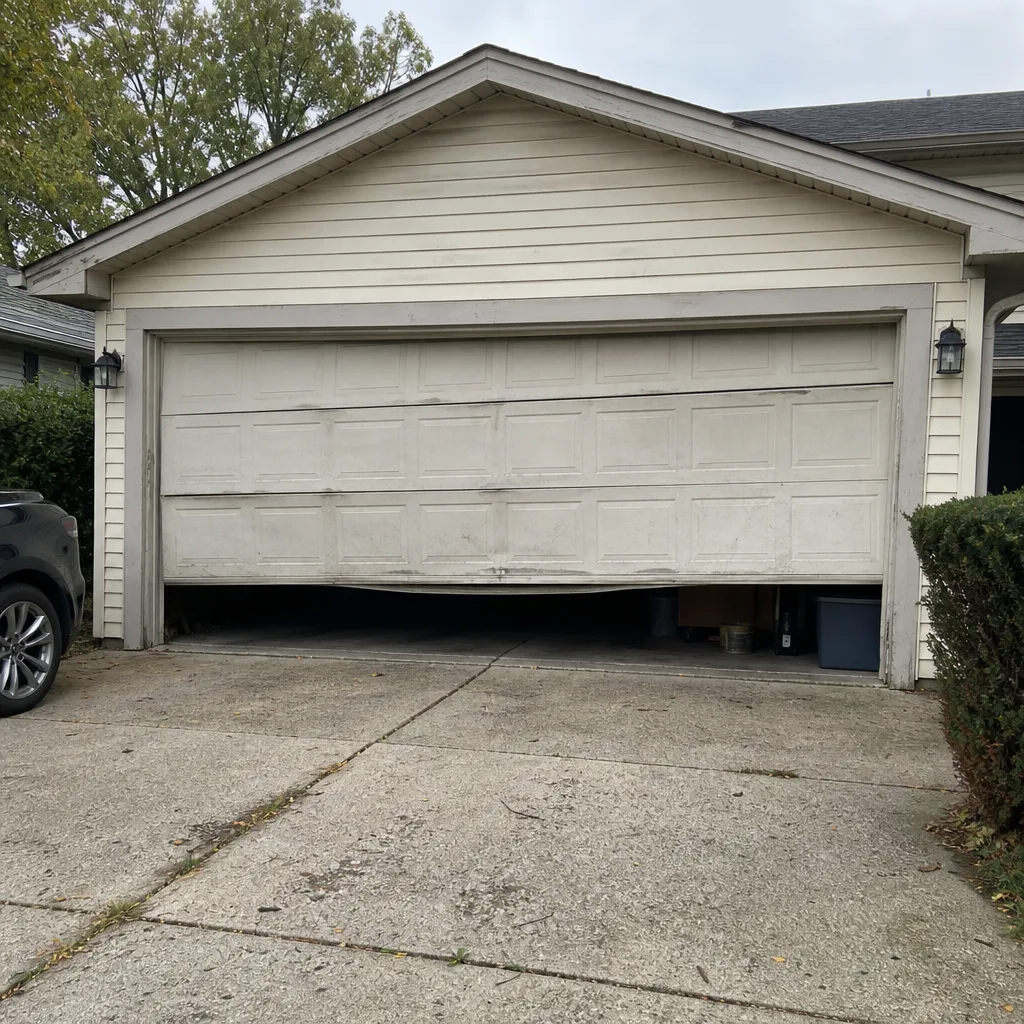
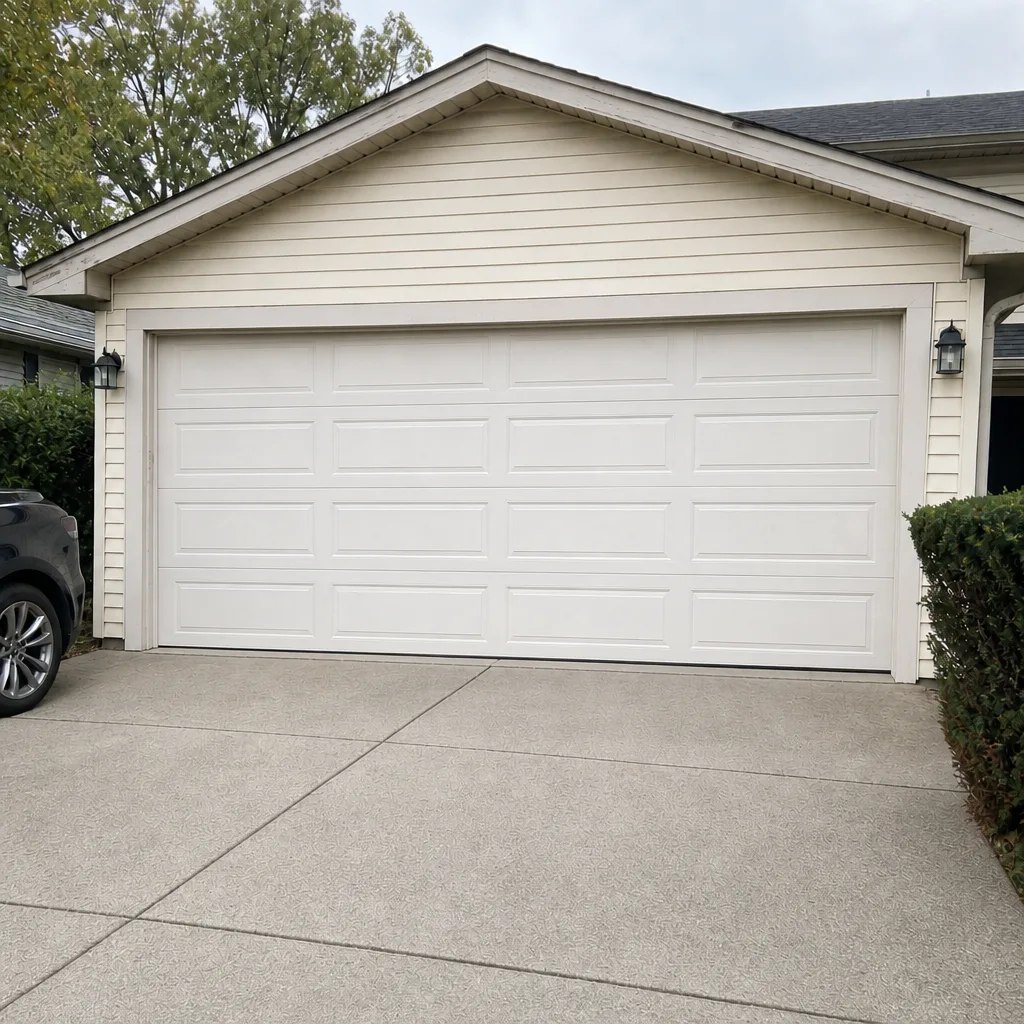
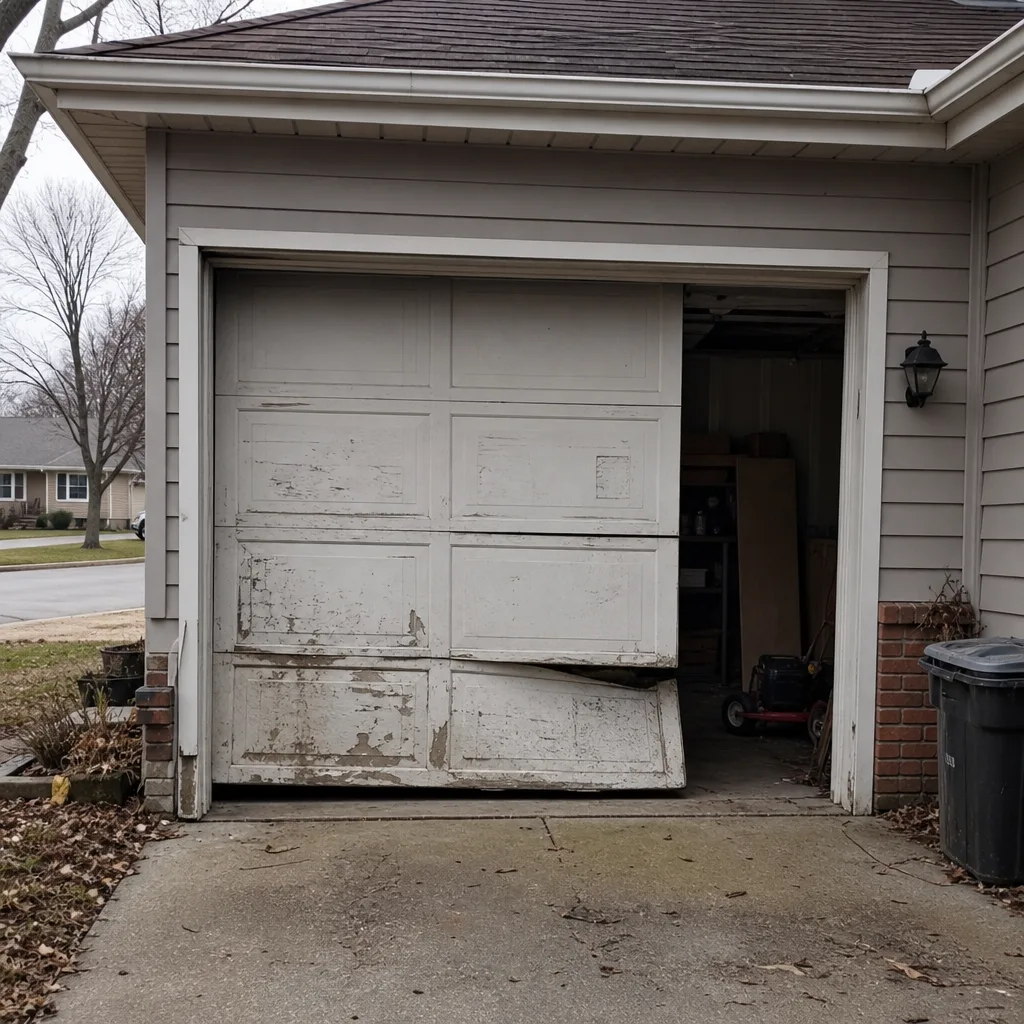
See the difference
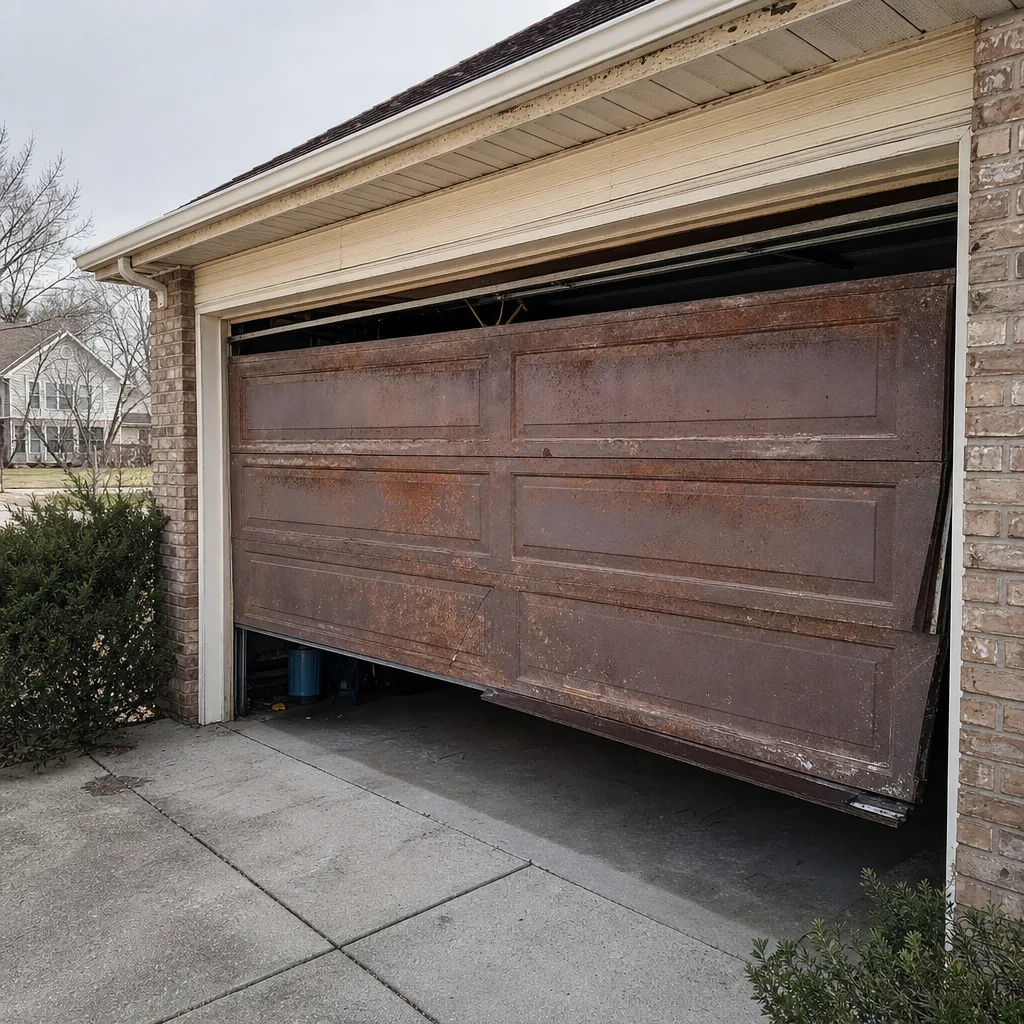 Before
 After
 Before
 After
 Before
 After
When to Call a Professional
Call a specialist when the door won’t open or close at all, when a spring is visibly broken, when the door is off its tracks, or when the opener runs without moving the door. Call if you can’t judge whether the door is safe to pass, or if the door is stuck open and you can’t secure it. Call if there’s a loud snap, a sudden drop, or any sign of cable damage. Springs and cables are under extreme tension and shouldn’t be touched. Naperville Garage Door Repair Pros offers free estimates in Naperville. Call (866) 947-9076. We answer 24/7, with fast dispatch from 7am to 7pm, Sunday through Friday. Repairs are quoted and agreed before any work starts, and the written estimate sets the final price. Our technicians have up to 15 years of experience.
Frequently Asked Questions
Secure the opening and call a specialist before touching anything. Keep people and vehicles clear, don’t force the door, and don’t pull the manual release if a spring is broken. Then call (866) 947-9076 with your door and opener brand ready.
Yes, if the spring is intact and the door is balanced. Pull the manual release to disconnect the opener, then lift the door by hand. If the door feels very heavy or very light, the spring may be broken. In that case, don’t lift it; call for help.
It’s not safe to leave it completely unsecured. Clamp the vertical track above a roller or block the door from the inside, and lock the interior door. Don’t rely on a chair or rope. Call (866) 947-9076 and we’ll get a technician out to secure and repair it.
Pricing is set per job by the written estimate, and a free estimate comes first. The price is quoted and agreed before any work starts, so there’s no surprise on the invoice. Call (866) 947-9076 and we’ll give you a clear figure for your door.
Often yes. For stuck doors and repairs we can back you up and running today. Call (866) 947-9076. We answer 24/7. Fast dispatch from 7am to 7pm, Sunday through Friday; a call outside dispatch hours is booked into the next opening.
Many municipalities require a permit for a door replacement. Ask Naperville’s building department about your specific address rather than assuming, and keep the permit record with your garage info card. We can help you plan the installation once you know.
We work on your brand across the eight most commonly installed residential systems, including LiftMaster, Chamberlain, Genie, Clopay, Amarr, Wayne Dalton, Craftsman, and Raynor. We diagnose by brand and model behavior, so your fix is matched to your door, not a guess.
No. The written estimate is set before work begins, and the final price follows the written quote. If the scope changes, that’s discussed and agreed first. Call (866) 947-9076 for a free estimate.
The Bottom Line
Garage door emergencies in Naperville are decided before they happen. Know where your manual release is and how it works on your opener. Keep a written card with your door brand, opener model, spring type, and installer details. If a door fails, don’t force it, secure the opening with a real hold, and use a secondary exit if you can’t pass safely. Never touch a broken spring. When you call, pass along what the door is doing, your brand, and whether anyone is blocked in. If you do those things, the emergency stays manageable. When you need help, call (866) 947-9076 for a free estimate. We answer 24/7, and our technicians have up to 15 years of experience.
Written by the team at Naperville Garage Door Repair Pros.