
Last updated November 23, 2026
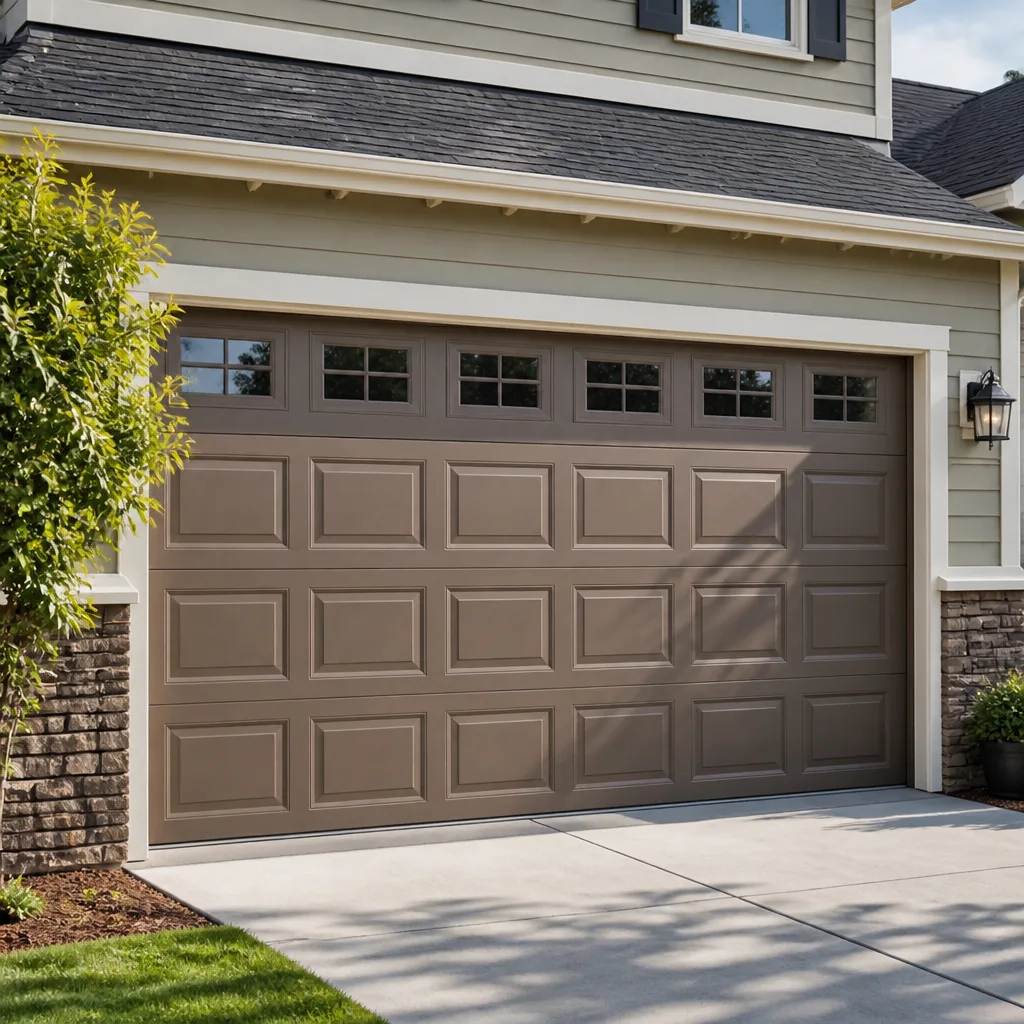 Raised-panel steel
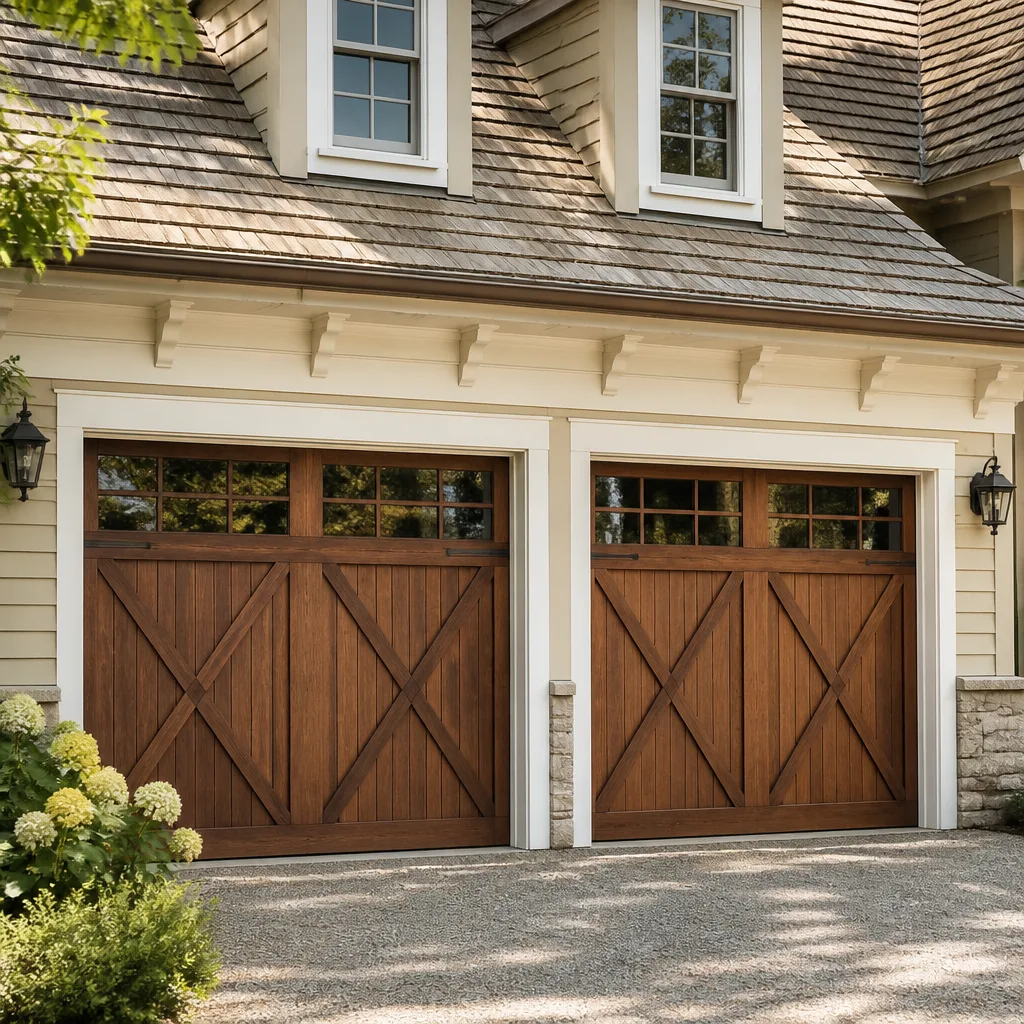 Carriage house
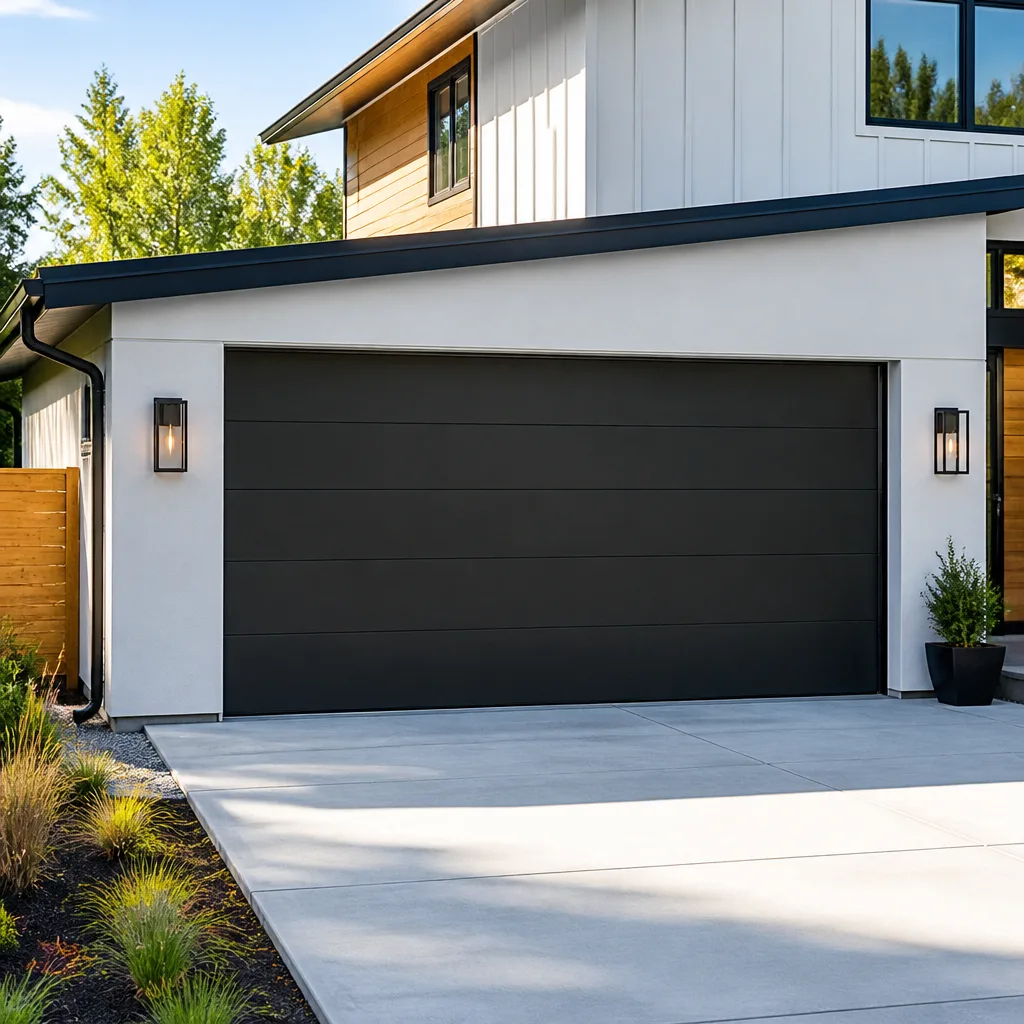 Modern flush
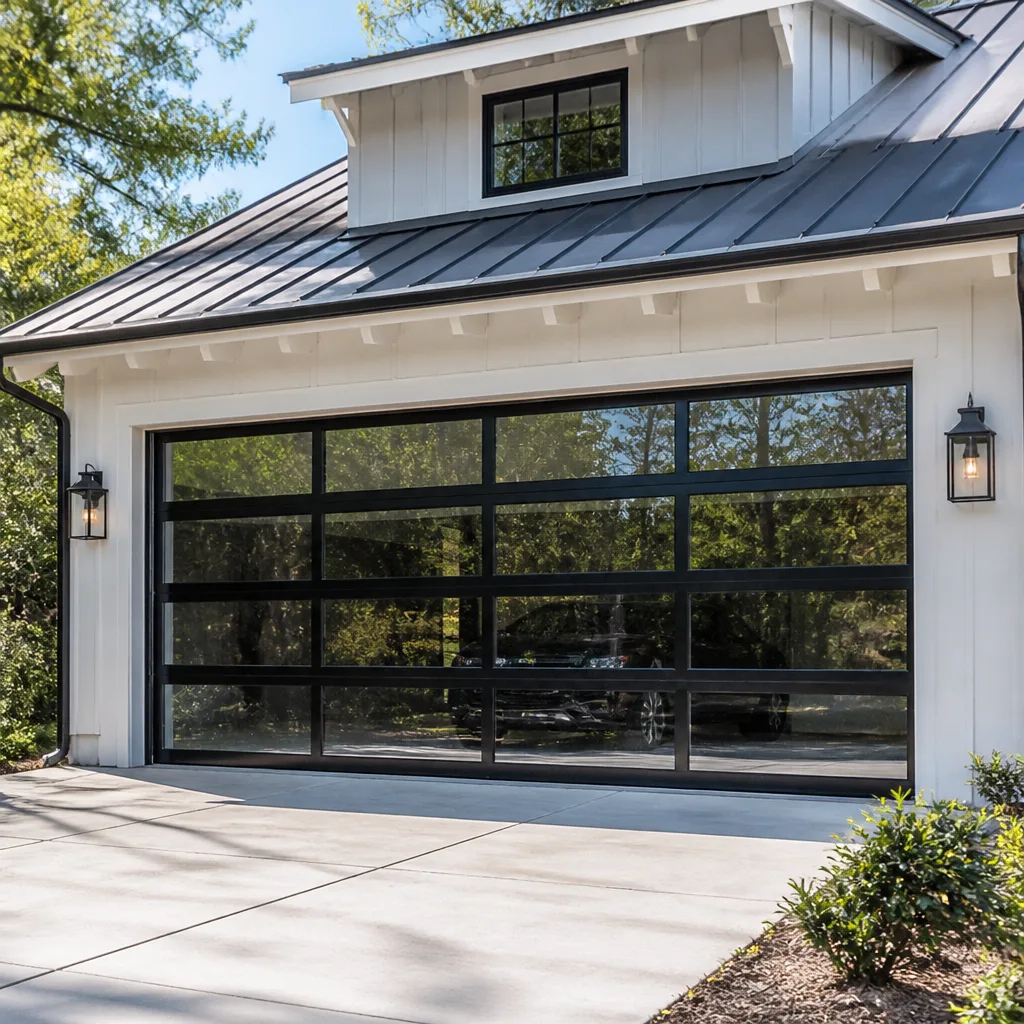 Full-view glass
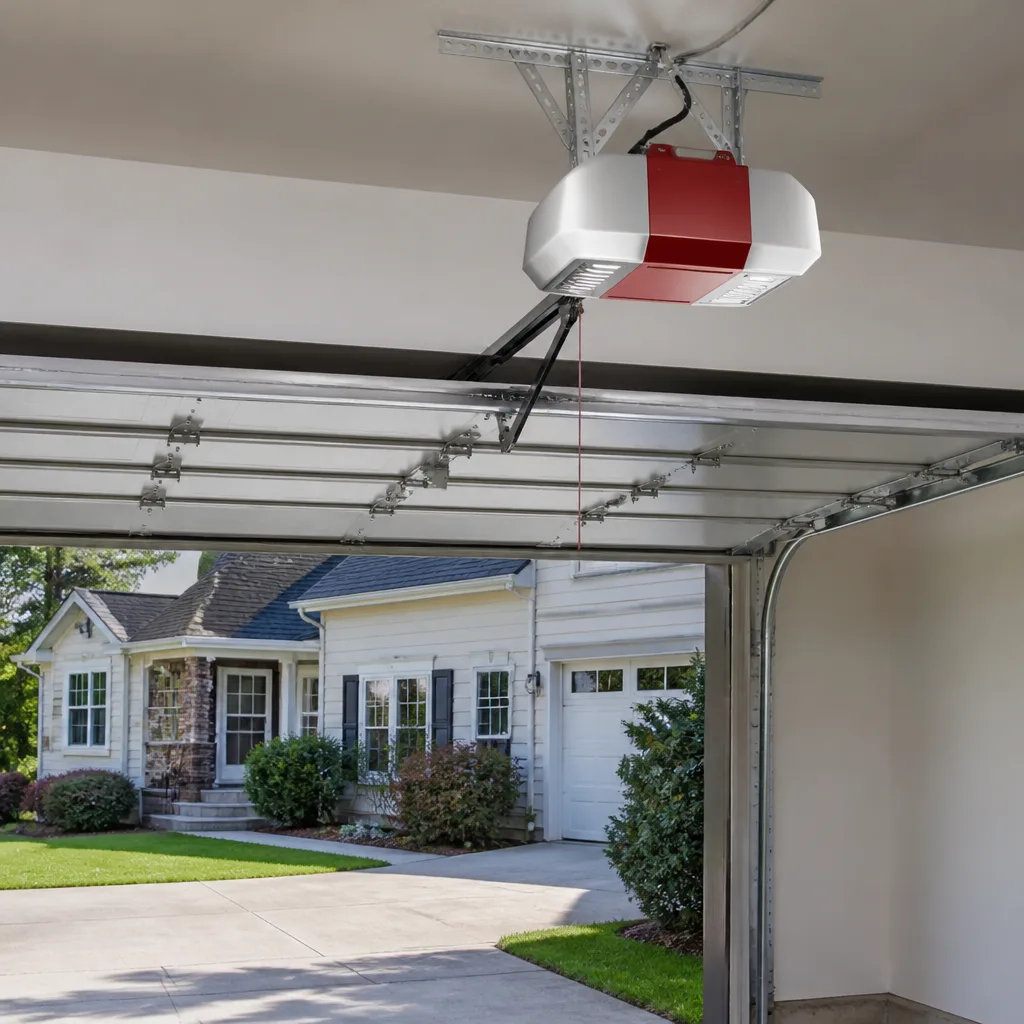 LiftMaster openers
 Chamberlain openers
Full 25-point door and opener safety check with every visit - springs, cables, rollers, tracks, and your LiftMaster or Chamberlain opener included
You get a price before we start. It does not change when the pro arrives.
Get your free estimateGarage Door Warning Signs: A Naperville Homeowner’s Reference Guide
Most garage door warning sign articles describe symptoms one at a time. That approach misses the real signal. A single noise or a door that moves a little slowly means something very different depending on what else is happening at the same moment. A door that’s “just a little slow” on a cold Naperville morning usually isn’t an opener problem at all. It’s often the first readable sign of a spring losing tension, and that spring may have only a limited number of cycles left before it lets go. This guide teaches you to read combinations of symptoms together, so you can tell the difference between a door that needs a tune-up and a door that’s about to strand your car. We cover how to estimate remaining spring life from feel alone, how to spot cable wear that matters, and when to stop running the door entirely.
Quick Answer
The most important garage door warning signs are a door that reverses before it touches the floor, a loud bang followed by a door that won’t lift, visible cable fraying or kinks, jerky or uneven travel, and a door that feels suddenly heavy. Any one of these deserves attention. Two or more together, especially a slow door plus grinding or a jerky door plus loud operation, usually point to a mechanical failure forming rather than an electrical glitch. In Naperville, where winter cold stiffens springs and lubricants, combination symptoms in late autumn and early spring are the ones we’re called about most.
Styles & brands we work with
- Raised-panel steel
- Carriage house
- Modern flush
- Full-view glass
- LiftMaster openers
- Chamberlain openers
Table of Contents
- Why Symptom Combinations Tell You More Than Single Signs
- The 200-Cycle Warning Window for Torsion Springs
- When Opener Behavior Points to a Door Problem
- How to Read Cable Wear: Fraying vs. Normal Oxidation
- Five Conditions Where You Should Stop Using the Door
- Seasonal Warning Patterns in Naperville
- Brand Behavior: What LiftMaster, Chamberlain, Craftsman and Raynor Doors Tell You
- Common Mistakes to Avoid
- When to Call a Professional
Why Symptom Combinations Tell You More Than Single Signs
A garage door has a short list of moving parts: springs, cables, rollers, hinges, tracks, and the opener with its drive system. When one part starts to fail, it rarely announces itself alone. It throws stress onto its neighbors, and those neighbors show it in ways that are easy to mistake for something else. That’s why we diagnose by combination, not by single noise.
Here’s how to read the most common pairings:
- Slow plus grinding. A door that moves slowly and grinds as it travels usually has two separate things happening. The slow travel points to spring tension fading. The grinding points to dry or worn rollers, or a roller that’s jumped its track. Treat the grinding as the more urgent of the two, because a roller out of its track can bend a panel.
- Jerky plus loud. A door that lurches in stops and starts while sounding loud is often a torsion spring that has partially broken or a cable that’s slipped its drum. This pairing is the one we treat as a stop-and-call combination, because continued use loads a failing part that could snap.
- Slow on one side only. A door that rises faster on one side than the other is almost never an opener issue. It usually means a cable is binding on one drum or a spring on one side has lost more tension than the other. On an extension-spring door, this can mean one spring has already broken and the door is being held by the other.
- Quiet plus heavy. A door that suddenly feels heavy to lift by hand, and quieter than usual when the opener runs, can indicate a broken torsion spring. With the spring gone, the opener is doing all the lifting, and it will not do that for long.
If you’re noticing more than one of these together, the door is telling you the fix is mechanical and probably involves the springs or cables. That’s the point to call for garage door repair rather than keep cycling the door. If you’re in Naperville and you’ve already cycled it a dozen times trying to figure out the noise, stop, because each cycle is one more stress load on a part that may be near its limit.
The 200-Cycle Warning Window for Torsion Springs
Torsion springs fail on a predictable curve. They don’t wear evenly and then break without warning. They lose tension gradually, then a specific feel develops in the last stretch of their life, and then they snap. The tricky part is that the last stretch can be as short as a couple hundred cycles, and most homeowners run the door two to four times a day without thinking about it. That’s the window this section is about.
You can’t measure remaining life from the outside, and you should never try to read a spring by touching it, counting coils, or taking anything apart. Springs are under extreme tension, and a torsion spring or its cables can release stored energy with enough force to cause serious injury. This is the one part of the garage door where we tell Naperville homeowners to keep their hands off and read the door’s behavior instead.
Here’s how to estimate from operational feel, without touching the spring:
- Note the cold-morning behavior. A door that feels sluggish on the first cold morning and then loosens up as the day warms is showing normal cold-weather stiffness. A door that feels sluggish on cold mornings and stays sluggish through the afternoon is showing tension loss. That’s a different signal.
- Compare the lift to how it felt a few months ago. Memory is unreliable, but most people notice when the door stops lifting on its own when they disengage the opener. If you used to be able to lift the door with a couple of fingers and now it takes your whole arm, the spring has lost tension.
- Listen for a change in sound at the top of travel. Springs nearing failure often produce a slight click or pop when the door reaches the fully open position. That’s the spring settling under load, and it’s a sign to schedule service rather than wait.
- Check for a half-lift. A door that opens partway and then stops, with the opener running but not moving the door, is the classic sign that a torsion spring has broken. Stop running the opener, unplug it, and call for help.
If any of these signs are showing up, treat the door as if it’s in its last few hundred cycles and get an inspection. Our technicians have up to 15 years of experience reading exactly this kind of wear, and a free estimate in Naperville will tell you whether the spring needs replacement before it snaps. We work on the leading spring systems across the residential market, and the free estimate is the moment to get a straight answer about how much life is left.
When Opener Behavior Points to a Door Problem
Homeowners assume the opener is the problem when a door misbehaves. That’s the most common misdiagnosis we see. In our experience, a good share of “my opener is going out” calls turn out to be the door itself getting heavier and the opener straining to lift it. The opener isn’t failing. It’s doing what a healthy door should let it do easily, and it’s doing it against a door that’s lost spring help.
Here are the opener behaviors that usually trace back to the door, not the unit:
- The opener runs, but the door barely moves. The motor turns, the chain or belt moves, the door doesn’t or barely does. That points to a broken spring or a cable off its drum, not a failed opener.
- The opener clicks but doesn’t lift. A single click with no movement often means the opener’s travel limit or force settings are maxed out. Those settings get pushed up over time as the door gets harder to lift. The opener is telling you the door is heavier than it’s supposed to be.
- The door reverses immediately after closing. This is usually the safety sensors or a misaligned track causing friction, not an opener failure. Check the sensors first, then look at the track and rollers.
- Intermittent reversing from a LiftMaster or Chamberlain unit. Both brands are common in Naperville garages, and their safety-reversing behavior can be tricky to read. A unit that reverses randomly, especially when the sun is low and hitting the sensor, usually has a sensor alignment issue, not a bad logic board.
- The opener makes a grinding noise when lifting. That’s usually the opener’s gear or the drive rail, but it can also be a door with a bent track forcing the opener to work against the drag. Listen to whether the grinding comes from the ceiling unit or the door, because it changes the diagnosis.
When the opener itself is the problem, it’s a different category of repair, and we handle that separately in our garage door opener repair. A Craftsman opener that’s run a door with a worn spring for a long stretch often needs its force settings reset after the spring is fixed. Diagnosing both at once is how you avoid paying twice.
How to Read Cable Wear: Fraying vs. Normal Oxidation
Cables are the part of your garage door most likely to fail quietly. They don’t make a sound until they slip or snap, and by then you’ve usually got a door that’s dropped on one side and a repair that costs a lot more than a cable replacement. The good news is that cable wear leaves a readable pattern you can check safely from eye level, without touching anything under tension.
What normal cable looks like: a light, even gray-brown oxidation across the strands, with a smooth, tight wind. The cable should look like a single solid piece across its whole visible run. That’s normal surface oxidation, and it isn’t a reason to replace.
What failing cable looks like:
- Broken strands. Individual wire strands sticking out or broken at a sharp angle. Even a couple of broken strands on a cable run is a real warning sign and means the cable needs replacement.
- A kink or a “witness mark.” A spot where the cable bends at a sharp angle. That’s the cable binding against a drum or pulley, which loads the strands unevenly.
- Fraying near the drum end. The cable runs onto the drum at the top of the door. Fraying at the drum end is the most common wear pattern and the one we treat as the most urgent, because a cable that comes off the drum drops the door.
- A drum that looks packed with a mess of wire. If the cable is winding on the drum unevenly, it’s about to slip. That’s a stop-and-call sign.
- Rust that feels rough, not just discolored. If you can see through the strands and the cable looks thinner than it should, it’s lost integrity. Rust on cables in a humid garage is normal; rust that’s eaten into the strands is not.
Check cables from the floor, with the door closed, and never reach up toward the drums. If you see any fraying, kinks, or a drum that’s winding unevenly, treat it as a stop condition. For the wider set of repair issues that go with cable wear, our Naperville Garage Door Repair Pros page lays out what to expect.
Five Conditions Where You Should Stop Using the Door
The hard call is when to stop operating the door entirely. Homeowners tend to keep cycling a door while they figure out what’s wrong, and that habit is what turns a $300 spring replacement into a bent panel, a cracked opener, or a door that drops on a car. Here are the five conditions where we tell Naperville homeowners to stop and leave the door alone.
- A door that won’t lift, with a bang. If you heard a loud snap and the door won’t rise, the spring has broken. Don’t run the opener, because it’s now lifting a door with no spring help, and it will strain or fail. Unplug the opener and call for a spring repair.
- A door that dropped on one side or is hanging crooked. That’s a cable that’s slipped or broken. A door held at an angle on one cable is under dangerous tension, and the other side can let go. Stay clear and call.
- A visible fray on a cable or a bend in a track from a failed roller. A bent track forces the door to bind, which loads a failing part. Every cycle adds stress. Stop.
- A door with a spring that’s already broken alongside a spring that’s still under tension. On an extension-spring door, if one spring breaks, the other is doing all the work and is far more likely to break next. A matched pair should be replaced together. Stop operating the door.
- An opener that’s smoking, buzzing loudly, or clicking without moving the door. Unplug it. A failing opener that’s still receiving power is a fire and motor-burnout risk. The door isn’t safe to run and the opener isn’t safe to leave powered.
None of those five are a “wait until next week” situation. If your door fits one of them, that’s the moment for emergency garage door service. We answer 24/7. Fast dispatch from 7am to 7pm, Sunday through Friday. A call is the right move before you touch anything else.
Seasonal Warning Patterns in Naperville
Naperville’s climate does specific things to garage doors. Cold winters and warm, humid summers work on the springs and cables in different ways, and the combination is why we see a spike in spring calls in late autumn and early spring. It’s worth knowing what the seasons do to your door so you can read the signs before they turn into a failure.
- Late autumn and first cold snaps. This is when spring tension loss shows up most clearly. Cold makes the steel stiffer and the grease in the opener and rollers thicker. Doors that felt fine in September start feeling sluggish. If the sluggishness doesn’t fade as the day warms up, the spring has lost tension, and the next cold snap is likely to break it.
- Deep winter. This is when we see the most torsion spring failures. The cold makes steel more brittle and the tension loss from autumn finally crosses the failure point. Doors that were “a little slow” in November are the ones that snap in January.
- Spring thaw and warm weather. Cables that were stiff and quiet in winter start moving more freely in spring, and that’s when worn cables slip off the drum. If you’ve got a cable that looked fine in winter but is now visibly loose or kinked, that’s a spring-thaw sign.
- Summer humidity. The humidity in a Naperville garage in July and August rusts cables and seizes rollers. A door that “suddenly” starts grinding in summer usually has rollers that have lost their lubrication. That’s a service call, but a routine one.
The good rule for Naperville is to look at your door twice a year, once before the first hard freeze and once when the thaw starts. If either inspection turns up the combination symptoms in the first section, schedule a free estimate before the season does its work.
Brand Behavior: What LiftMaster, Chamberlain, Craftsman and Raynor Doors Tell You
Garage doors and openers from different brands fail in different ways. If you’ve got a Craftsman opener running a door with a worn spring, the opener’s force settings often get pushed up to compensate, and the opener runs hot. If you’ve got a Raynor door with a torsion system, the spring wear shows up in the lift feel before it shows in the opener. A LiftMaster or Chamberlain opener with a failing door usually shows reversing or intermittent travel before it shows a hard failure.
This is why diagnosing by brand behavior works better than guessing. We’re trained on the eight brands most commonly installed in residential garages: LiftMaster, Chamberlain, Genie, Clopay, Amarr, Wayne Dalton, Craftsman, and Raynor. That covers the opener behavior on your ceiling and the door behavior on your tracks, and it means we know what a given brand does when a part is going out. The right fix for your specific door comes from reading that brand behavior, not from a one-size-fits-all checklist.
If you’re not sure which brand you’ve got, look at the label on the opener’s motor housing and the sticker on the door’s bottom panel. That’s the first thing to note when you call. It saves diagnostic time and gets you a free estimate in Naperville that much faster.
Common Mistakes to Avoid
- Running the door to “see if it’s still broken.” Every cycle adds stress to a failing part. If you’ve heard a bang or the door is hanging crooked, the next cycle can turn a repair into a replacement. Stop operating and call.
- Assuming it’s the opener when the door is the problem. The opener is the easiest part to blame and the most expensive to replace. In our experience, the door itself is the cause of more “opener” complaints than the opener is. Diagnose both before you buy a new unit.
- Replacing one spring when both are worn. A matched pair of springs is replaced together for good reason: a new spring with a worn one is a tension mismatch, and the worn one fails next. A single spring quote isn’t the whole fix on a two-spring door.
- Ignoring a slow door on cold mornings. Late Naperville cold snaps are when the autumn “slow door” springs finally break. Treat sluggish cold-morning travel as a warning, not a weather quirk.
- Reaching for the spring or cable with a tool. Springs are under extreme tension and cables can snap. This is the one part of the job that’s not a DIY task, not because it’s hard to understand but because it’s dangerous even for experienced tradespeople without the right tools.
- Assuming next weekend is fine. A door in its 200-cycle warning window can fail in a few days of normal use. Waiting is the one choice that reliably turns a small repair into a bigger one.
- Calling a generalist for a spring failure. Spring repair is a technical specialty. A generalist can fix the opener or replace a roller, but a spring under tension needs the right technique and the right tools. Call a garage door specialist.
When to Call a Professional
You should call a professional the moment a door shows any of the five stop conditions, a combination symptom in the first section, or a spring that’s clearly lost tension. Any single broken spring, a door that won’t lift, a cable that’s frayed or off its drum, an opener that’s smoking or buzzing, and a door hanging crooked are all call-now situations. You should also call for a free estimate if you’re planning a door replacement and want a straight answer on whether a repair or a new door makes more sense for your Naperville home. Naperville Garage Door Repair Pros offers free estimates in Naperville, call (866) 947-9076. We answer 24/7. Fast dispatch from 7am to 7pm, Sunday through Friday.
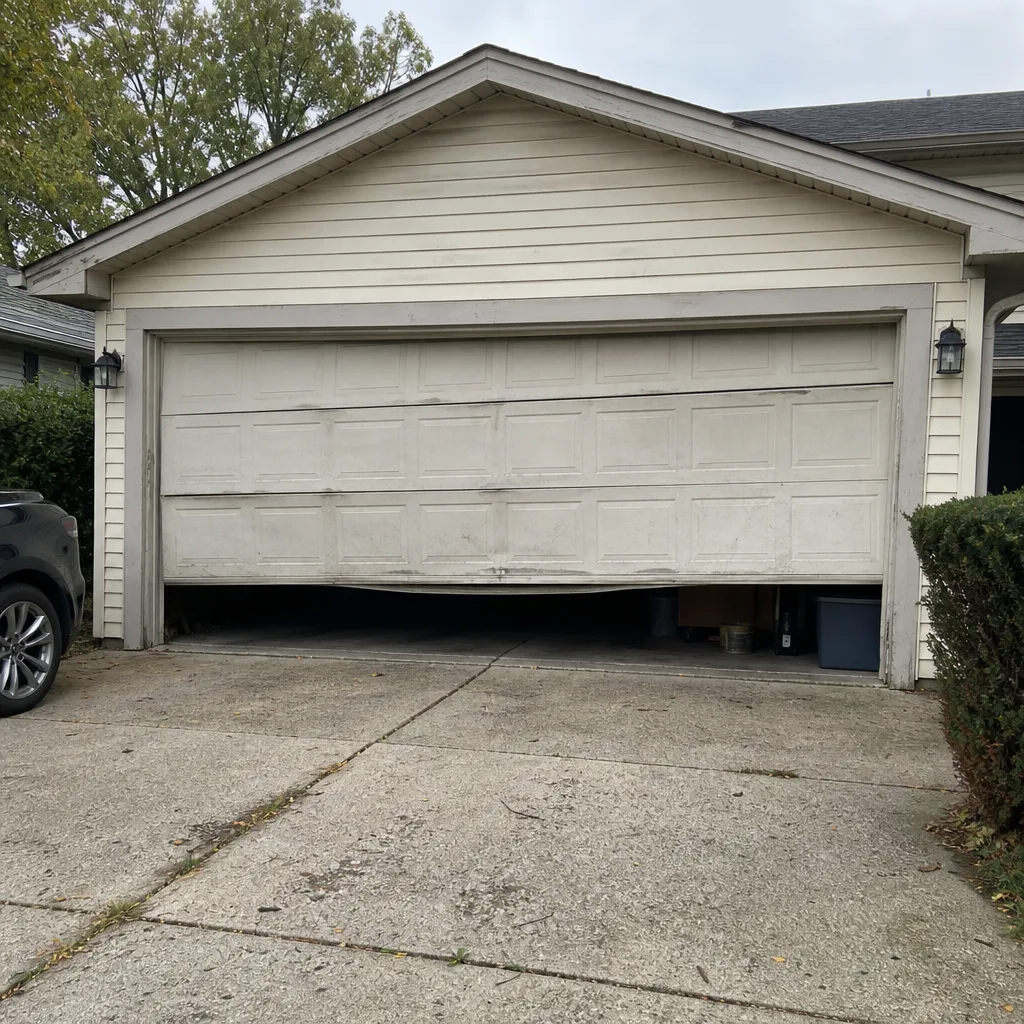
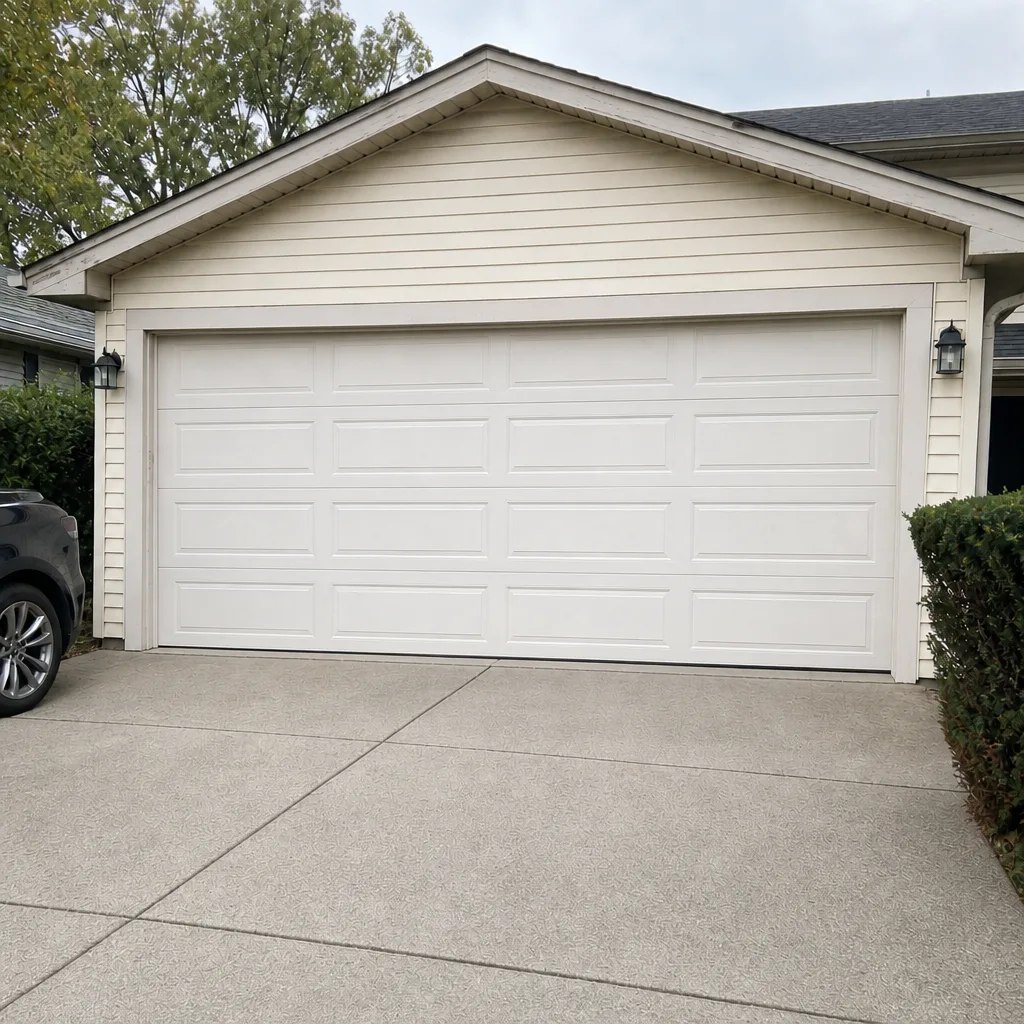
See the difference
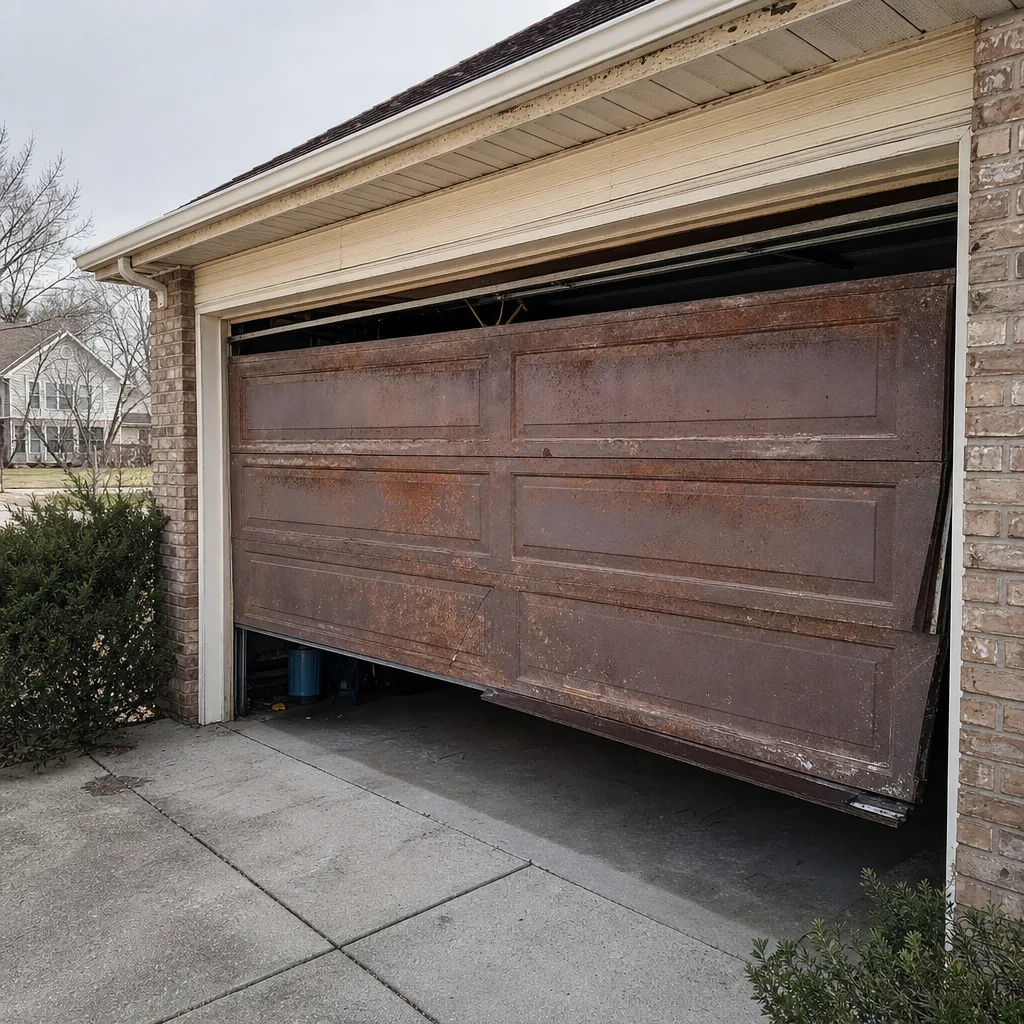 Before
 After
 Before
 After
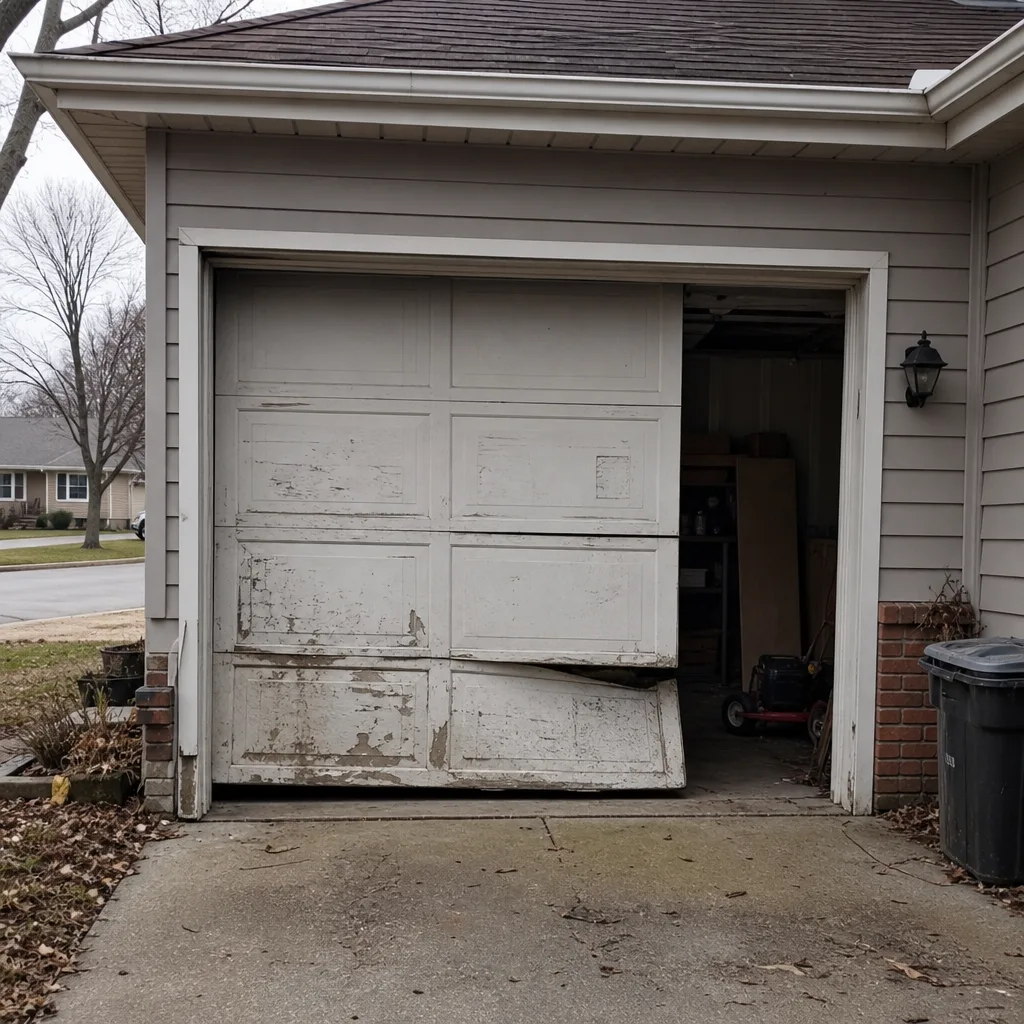 Before
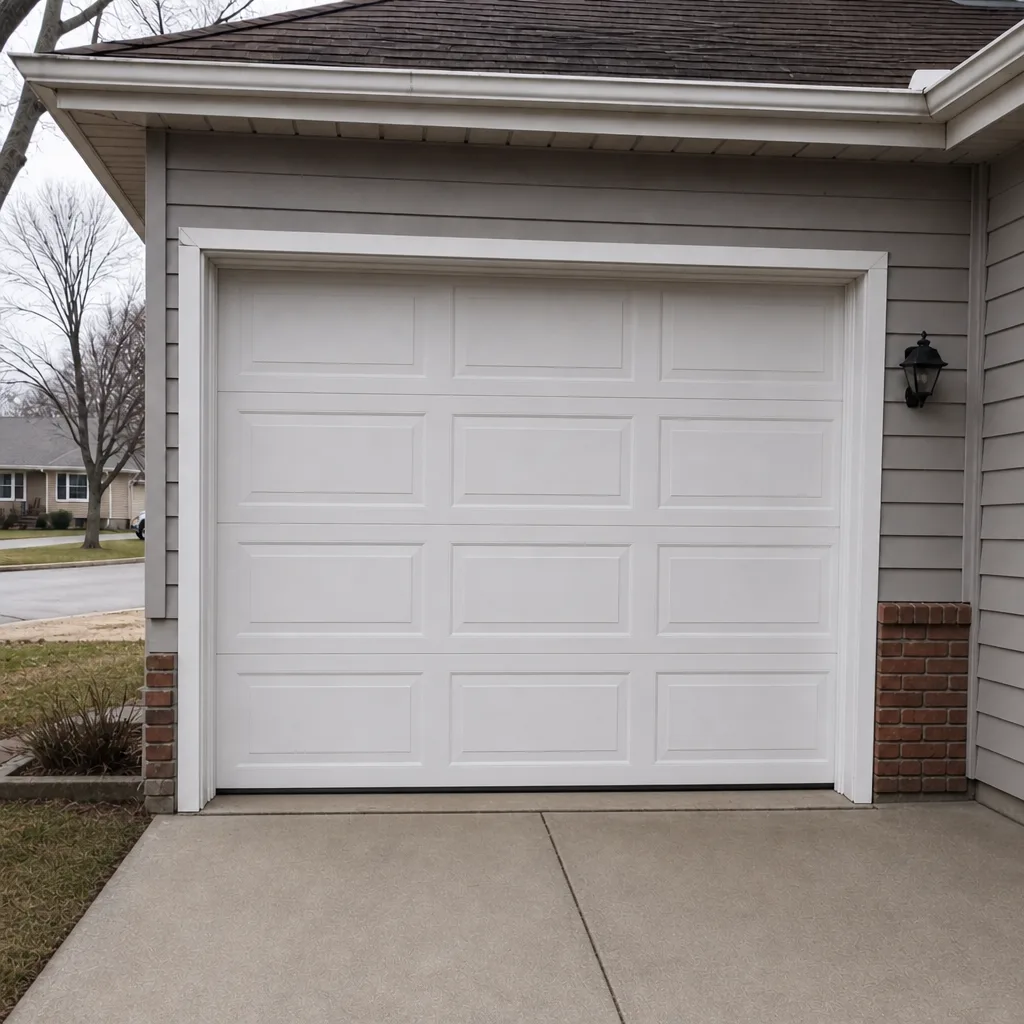 After
Frequently Asked Questions
The first readable sign is a door that feels sluggish on cold mornings and doesn’t loosen up as the day warms. That’s tension loss, not stiffness. A door that’s sluggish only in the cold is usually normal; one that stays sluggish all day is showing a spring that’s lost its tension and is heading toward failure. If you hear a pop at the top of travel or the door suddenly feels heavy to lift by hand, it’s time to call for a free estimate.
It depends on what else is happening. A door that grinds but travels evenly usually has dry or worn rollers, and that’s a service call but not an emergency. A door that grinds and also lurches, reverses randomly, or rises faster on one side is a stop condition. In our experience, the combination is the signal. Call (866) 947-9076 for an exact quote, estimates are free.
If the opener runs but the door barely moves, or the door feels heavier than it used to, the problem is almost always the door, usually the spring or a cable. If the opener clicks and doesn’t move at all, or it reverses randomly, the opener or its sensors are the likely cause. Reading the two together is the reliable way to tell. Call (866) 947-9076 for an exact quote, estimates are free.
A slow door is usually a spring issue when it’s slow on cold mornings and stays slow through the day. It can also be a dry roller or a binding track, especially if the door is slow and grinding at the same time. The seasonal timing in Naperville makes springs the most common cause from late autumn through early spring. Call (866) 947-9076 for an exact quote, estimates are free.
Stop operating the door and call for service. A frayed cable with visible broken strands or a kink near the drum is a failure in progress, and a cable that slips off the drum can drop the door. Don’t reach toward the cables, drums, or spring to check further. Get a free estimate in Naperville and have the cable replaced before it lets go. Call (866) 947-9076 for an exact quote, estimates are free.
Matched pairs should be replaced together. A single spring is quoted on its own, and a pair costs about twice a single spring, which is why a two-spring door is priced as a pair. Replacing one spring and leaving a worn one next to it means the worn one fails next, and you’d pay the labor twice. Call (866) 947-9076 for an exact quote, estimates are free.
How much does spring repair cost in Naperville?
Spring repair in Naperville typically runs $180 to $340 for a single torsion spring, and a matched pair is usually replaced together, so a pair costs about twice that. The range covers the spring itself and the labor to replace it safely. The written estimate you get before any work starts is the price, so the range is a planning number, not a final quote. If you’re seeing the 200-cycle warning signs and want to know whether the spring needs replacement before it breaks, call (866) 947-9076 for an exact quote, estimates are free.
The Bottom Line
Read your garage door as a system, not a list of symptoms. The combinations are what matter: slow plus grinding, jerky plus loud, slow on one side only. When you spot a combination, or any of the five stop conditions, stop running the door and call a specialist. A spring in its last couple hundred cycles doesn’t give you a second warning. If your door in Naperville is showing any of these signs, get a free estimate before the next cold snap does its work. We handle spring repair, opener repair, and full door installation, and we work on your brand. Call (866) 947-9076. We answer 24/7. Fast dispatch from 7am to 7pm, Sunday through Friday.
If the door is beyond repair and you’re planning a replacement, our garage door installation page walks through what a new-door project involves, from measuring to the final balance check.
Written by the team at Naperville Garage Door Repair Pros.