
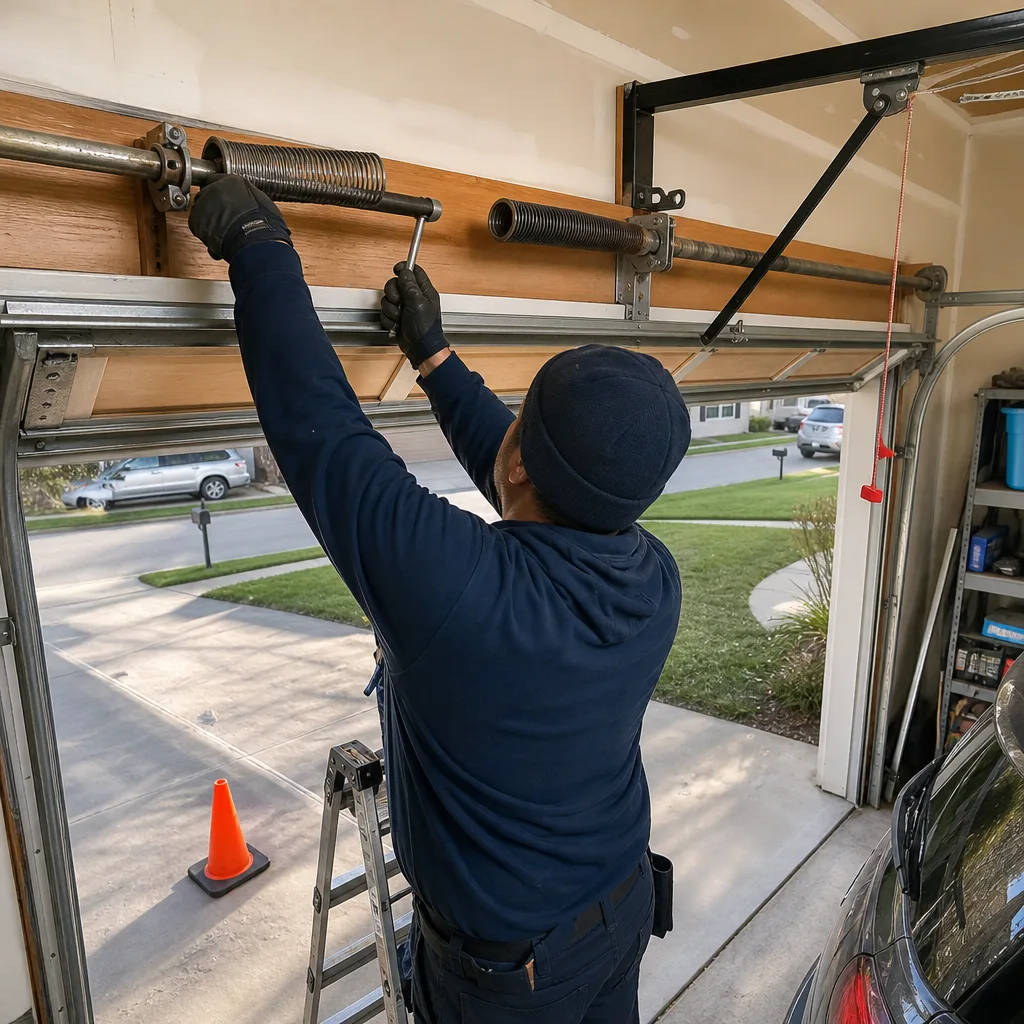
Last updated November 23, 2026
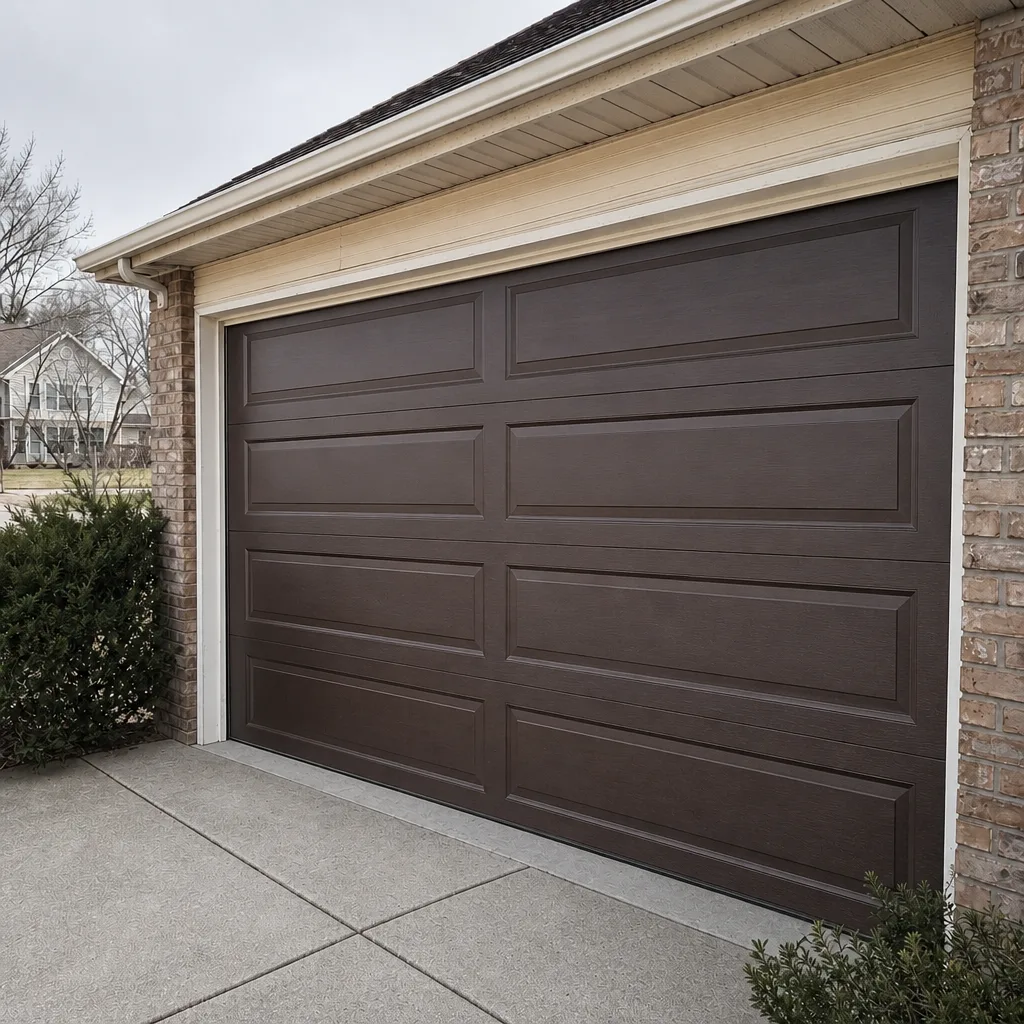
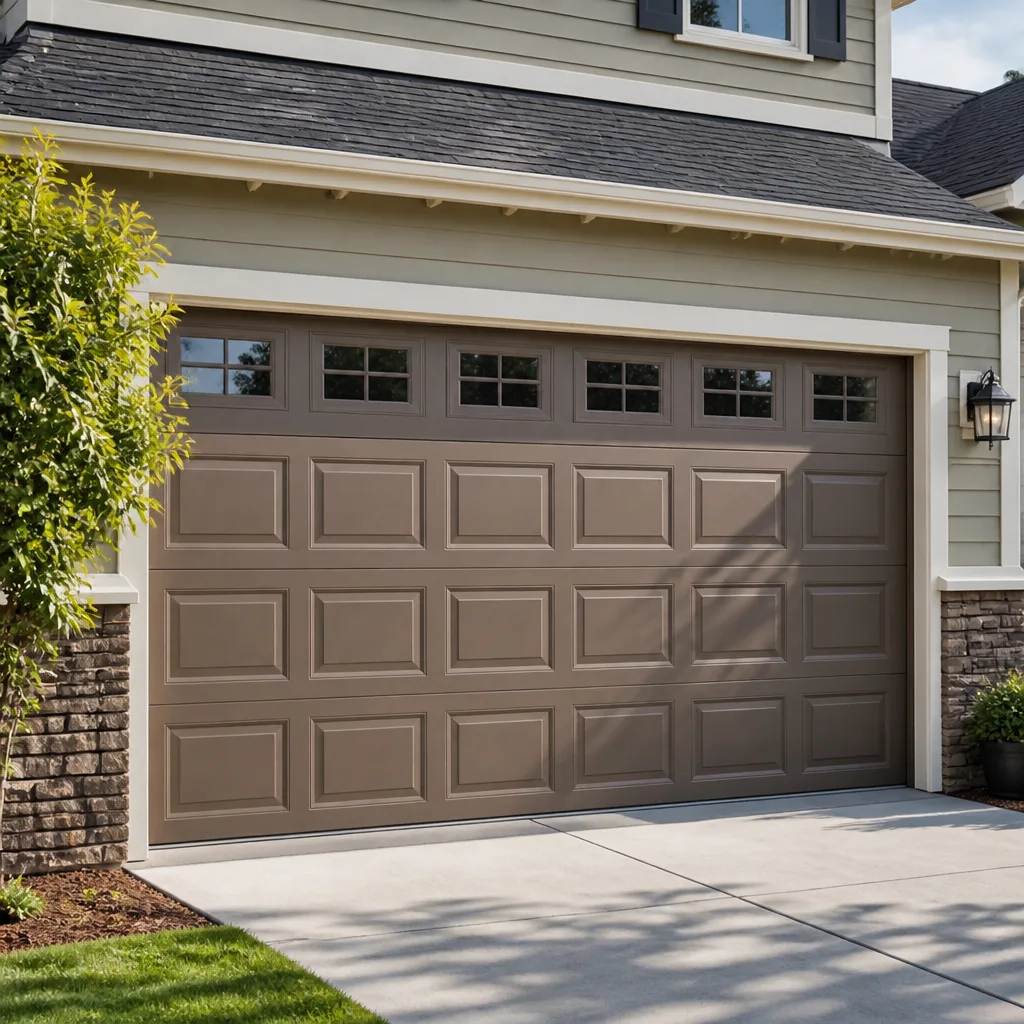 Raised-panel steel
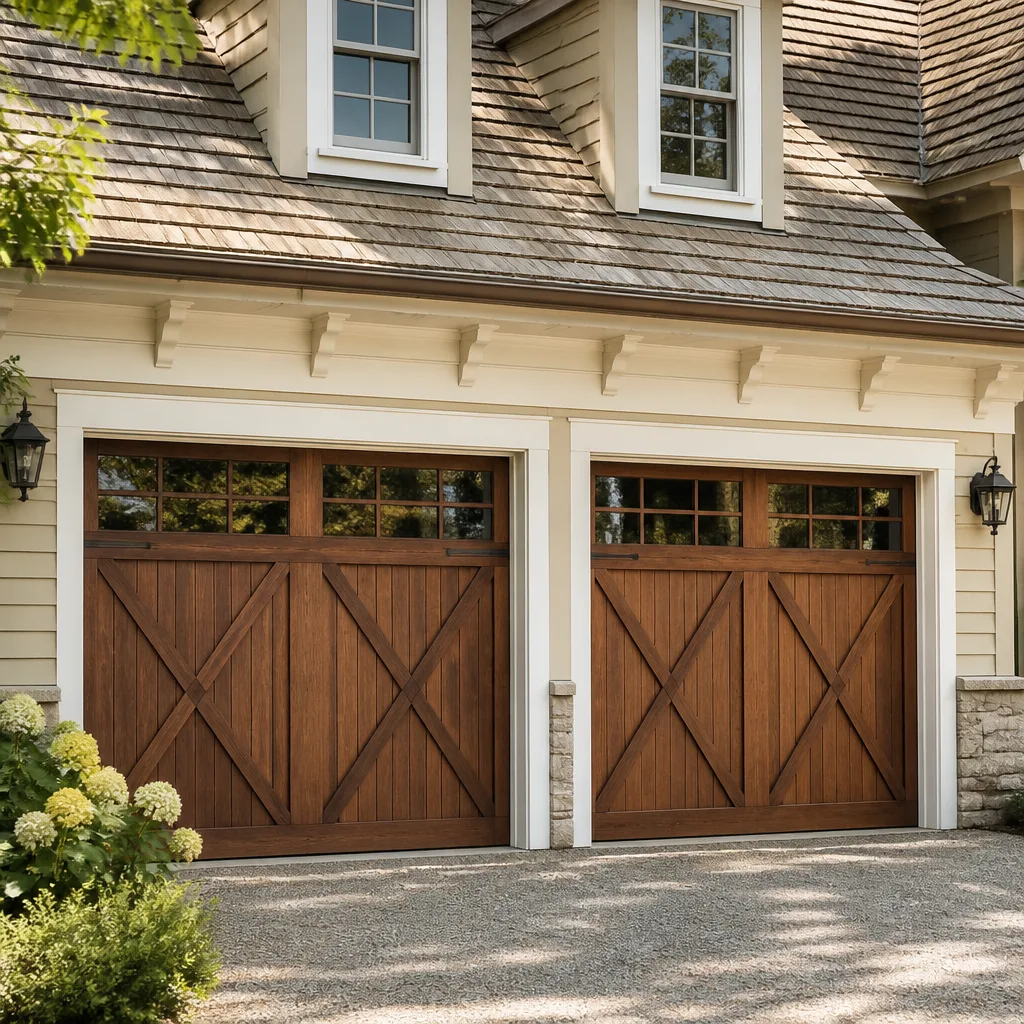 Carriage house
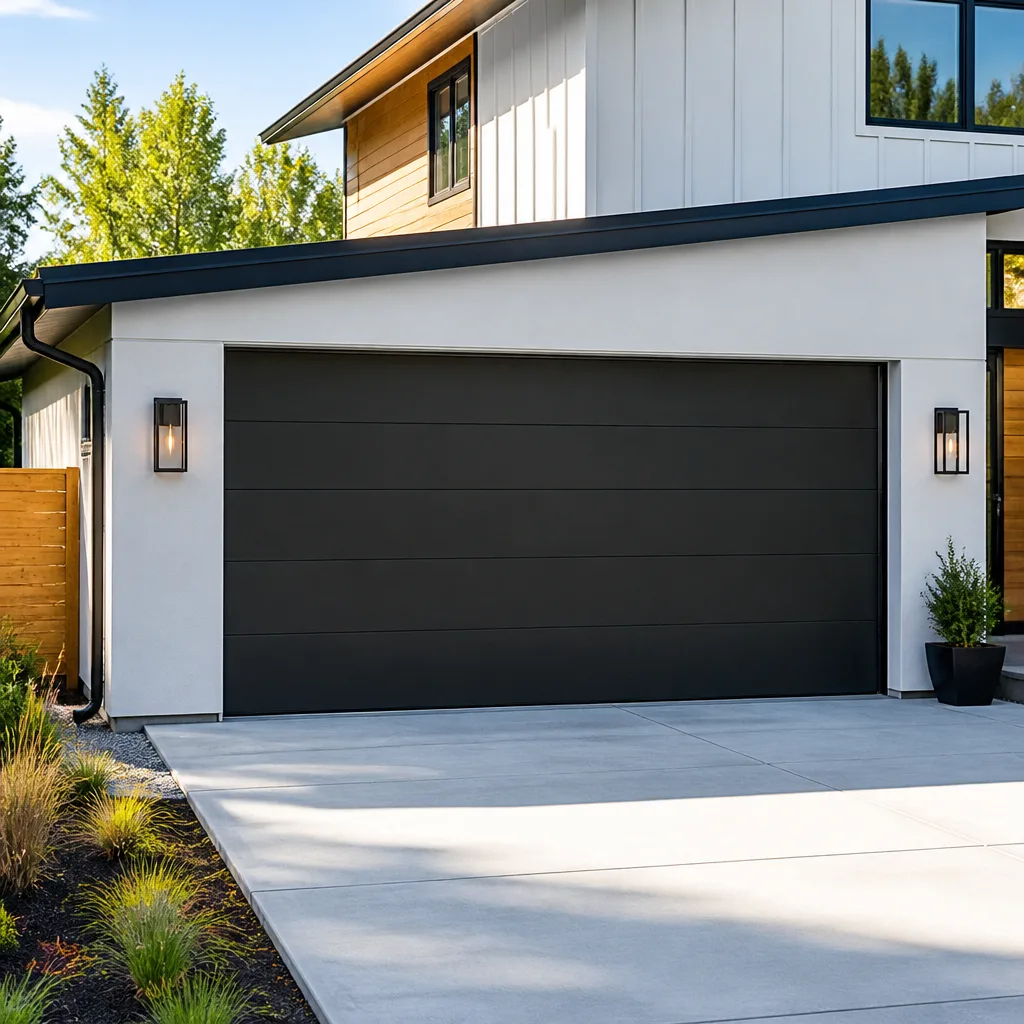 Modern flush
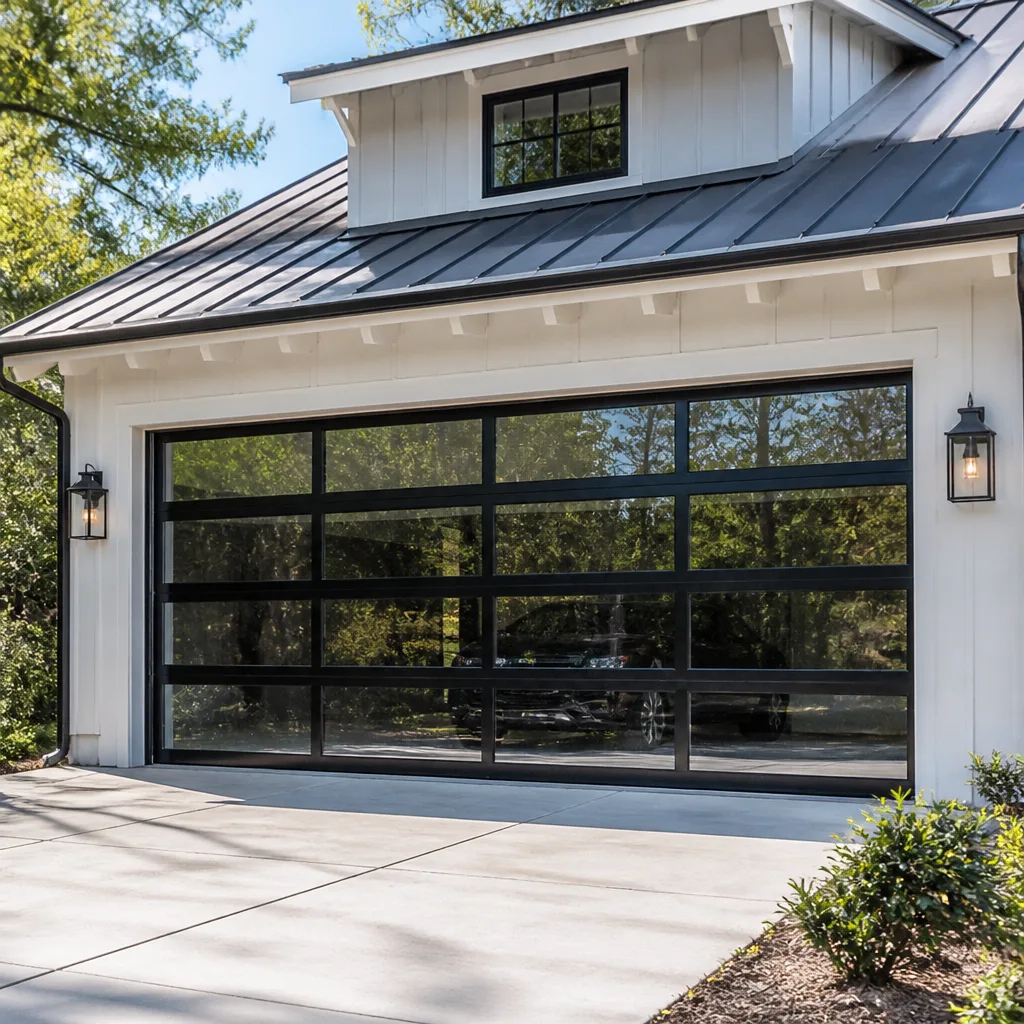 Full-view glass
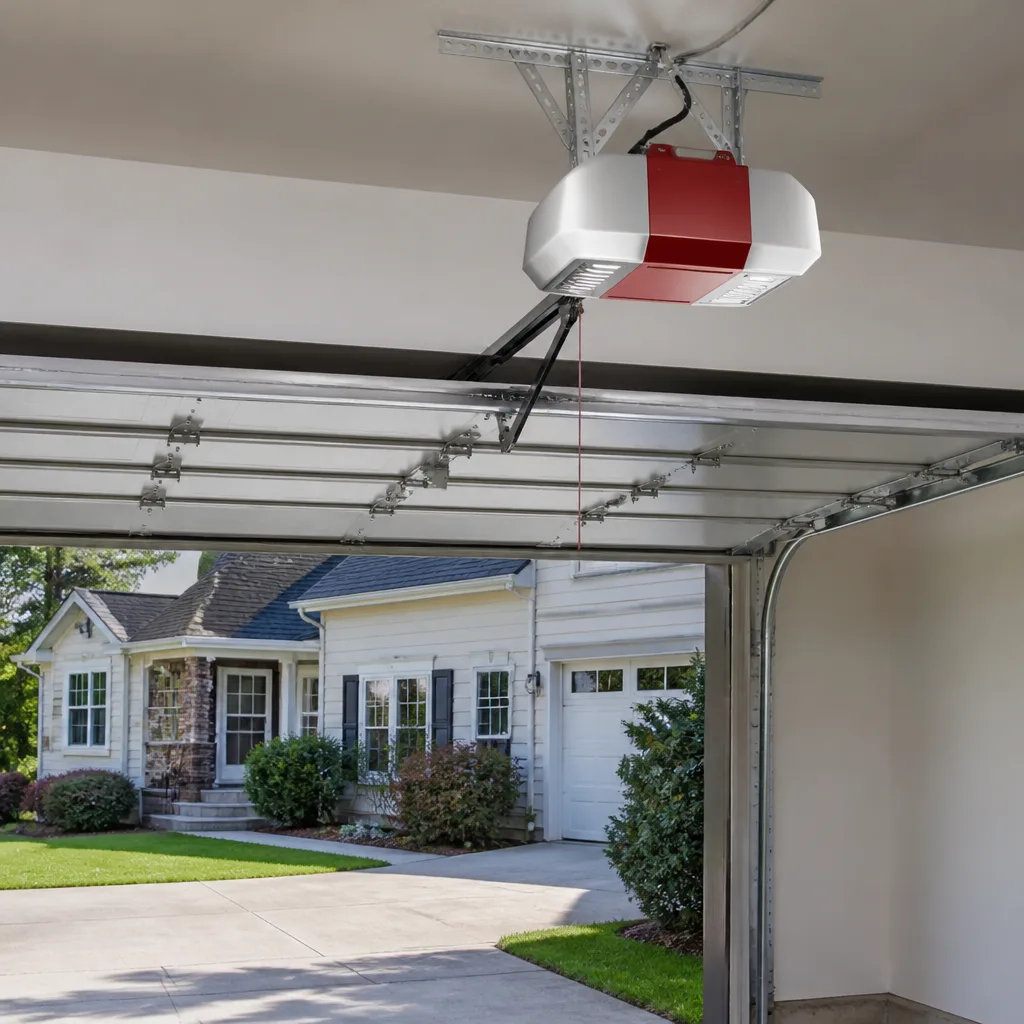 LiftMaster openers
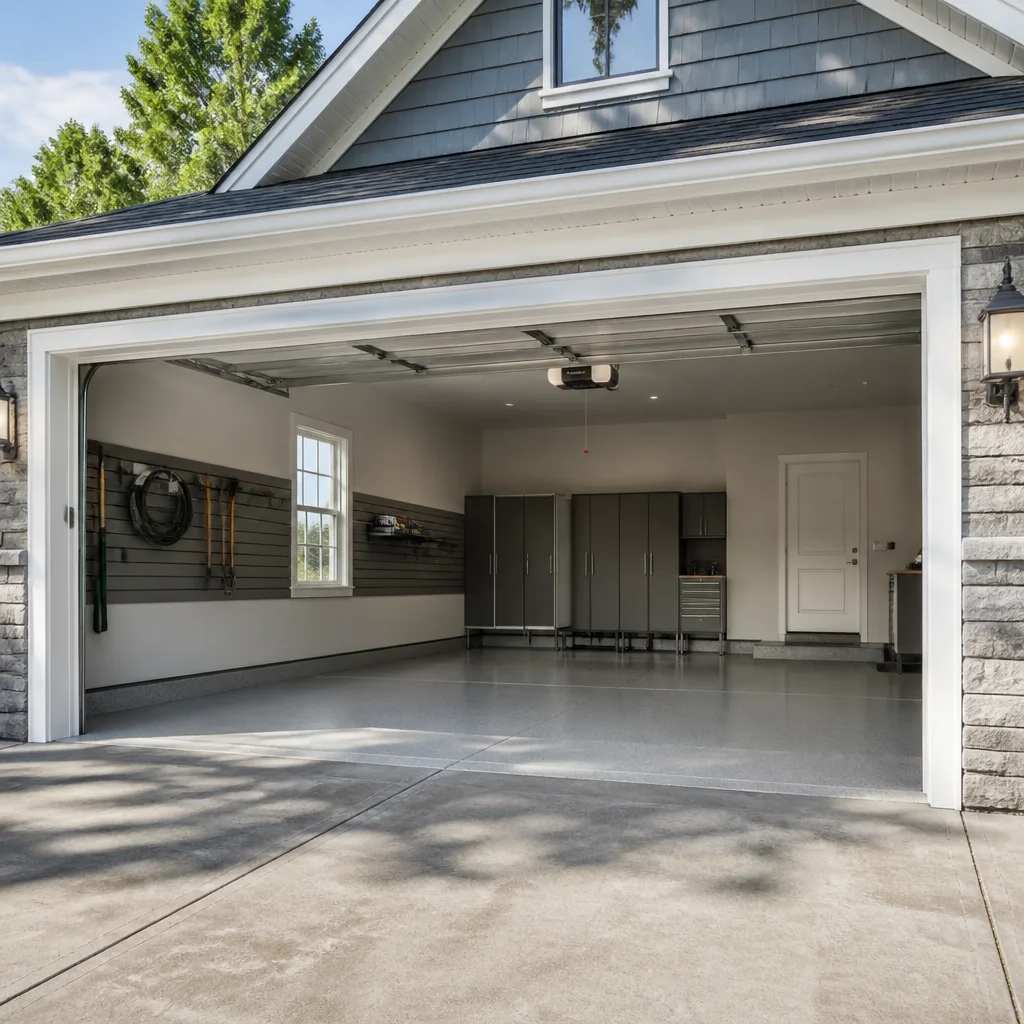 Chamberlain openers
Full 25-point door and opener safety check with every visit - springs, cables, rollers, tracks, and your LiftMaster or Chamberlain opener included
You get a price before we start. It does not change when the pro arrives.
Get your free estimateChoosing the Right Garage Door Brand: A Buyer’s Guide for Naperville
Most brand guides rank garage doors like sports teams and hand you a winner. That approach misses the point. The right garage door brand for a Naperville home depends more on whether your garage is attached or detached, how many daily cycles you run, and your HOA’s material restrictions than on any national quality ranking. A door that’s ideal for a north-facing attached garage in Naperville is not the same door that suits a detached workshop on a larger lot. In this guide we’ll walk through how the eight brands we work on most perform under Illinois freeze-thaw conditions, how steel gauge and insulation R-value actually matter in this climate, where parts availability can make or break an emergency repair, and how opener compatibility shapes the headaches you’ll live with years from now. By the end you’ll know how to match a brand to your home, not to a leaderboard.
Quick Answer
There’s no single best garage door brand in Naperville. For an attached-garage door that takes a daily beating from freeze-thaw cycles, a polyurethane-insulated door from a brand with strong local parts availability (Clopay and Amarr are the two we see most in Naperville subdivisions) is usually the safer long-term pick. For detached garages or lighter-duty use, a well-built non-insulated steel door from Wayne Dalton, Raynor, or Craftsman does the job without paying for thermal performance you don’t need. Match the door brand to your opener ecosystem, your HOA’s approved styles, and how many cycles per day it will actually run.
Styles & brands we work with
- Raised-panel steel
- Carriage house
- Modern flush
- Full-view glass
- LiftMaster openers
- Chamberlain openers
Table of Contents
- How We Evaluate Brand Fit (Not Brand Ranking)
- How the Eight Most Common Brands Hold Up in Illinois Freeze-Thaw and Humidity
- Steel Gauge and Insulation R-Value: Where the Thermal Boundary Matters in Naperville
- Parts Availability and Technician Fluency by Brand
- HOA Material and Aesthetic Compatibility in Naperville Subdivisions
- Opener Ecosystem Compatibility: Where Integration Gaps Cost You
- Attached vs. Detached Garages: Different Brands, Different Priorities
- A Five-Step Process for Choosing Your Brand
How We Evaluate Brand Fit (Not Brand Ranking)
When a Naperville homeowner calls us with a brand question, we don’t start with a quality score. We start with a use profile: how often the door cycles, whether the garage is attached or detached, what the HOA allows, and what opener platform is already installed. Brand quality matters, but it’s only one input. A premium door from a brand with weak local parts availability becomes a liability the first time a spring or a hinge fails and replacement parts take days to source.
Our technicians have up to 15 years of experience working across the eight most common residential brands in the Chicago suburbs. That experience shapes how we evaluate brands for Naperville homes specifically. We diagnose by brand behavior, not guesswork. A Clopay door that keeps coming off its track tells a different story than a LiftMaster opener that keeps reversing, and knowing the difference saves hours of diagnosis and gets the right fix in place faster.
Here’s the framework we use when homeowners ask us how to pick a brand:
- Cycle count. A door used twice a day for the school run has a very different lifespan profile than a door cycled a dozen times a day by a home business.
- Attached vs. detached. Attached garages affect the thermal envelope of the home. Detached garages don’t.
- HOA restrictions. Some Naperville subdivisions approve specific panel profiles and material types, and no brand quality claim beats a rejected architectural submittal.
- Opener compatibility. If your opener is a LiftMaster, Chamberlain, Genie, or Craftsman, some door weight and balance characteristics pair more cleanly than others.
- Local parts availability. A door that’s fast to repair locally is worth more than a marginally better door that stalls you for a week.
The rest of this guide walks through each of these factors in detail so you can apply them to your own home.
How the Eight Most Common Brands Hold Up in Illinois Freeze-Thaw and Humidity
Illinois weather is hard on garage doors. The freeze-thaw cycle between late fall and early spring repeatedly expands and contracts steel panels. Summer humidity swells wood and can push steel to rust along cut edges. Salting driveways in winter eats at the bottom seal and can accelerate corrosion at the base of steel doors. The brands we work on most-LiftMaster, Chamberlain, Genie, Clopay, Amarr, Wayne Dalton, Craftsman, and Raynor-each handle that weather profile a little differently.
Steel doors from Clopay, Amarr, and Wayne Dalton generally hold up well in Naperville’s freeze-thaw conditions as long as the finish is intact. Rust resistance comes from the paint and galvanizing system, and any door that loses its finish along the cut edges of the panels is going to rust. Craftsman and Raynor produce solid doors that hold their own, though the older a door is, the more closely we watch for hinge sag and roller wear after a hard winter.
LiftMaster, Chamberlain, and Genie are openers, not doors, but their behavior in cold weather matters just as much. Grease thickens, and limit switches and safety sensors on older units can drift as temperatures swing. If your opener struggles in January, that’s a symptom worth investigating before it turns into a no-start on a frigid morning.
- Clopay: strong steel finish and good insulation options; we see them frequently in Naperville homes built over the last few decades.
- Amarr: good steel-door construction with a reputation for durable finishes; frequently found in newer subdivisions.
- Wayne Dalton: solid mid-range doors; parts are widely available and the panels are easy to work with when something needs replacing.
- Raynor: heavier-grade doors that hold up under regular use; a name we see more often on premium installations.
- Craftsman: common on older homes; parts availability has thinned out as Craftsman has shifted branding, which affects emergency repair lead times.
One thing we hear often: “the brand on the door and the brand on the opener are the same, so they must work well together.” That’s usually true in the sense that they’re both factory-configured for each other, but compatibility is a technical question, not a marketing one, and we’ll cover it further down.
Steel Gauge and Insulation R-Value: Where the Thermal Boundary Matters in Naperville
If your garage is attached to your home-and most garages in Naperville subdivisions are-the door is a piece of your home’s thermal envelope. That’s an energy question, but it’s also a durability question. An insulated door doesn’t just slow heat transfer through the door itself. It keeps the garage interior more stable, which reduces the temperature swing and the strain on hinges, springs, and the opener over a full year of daily cycling.
Steel gauge and insulation thickness are the two levers. A heavier-gauge steel door resists denting and holds its shape better after years of freeze-thaw cycles. A door with thicker polyurethane insulation offers higher thermal performance than a thinner polystyrene-filled door. Both matter, and neither one alone is a complete answer.
In our experience in Naperville, the practical guidance looks like this:
- Attached garage, heated living space above or beside: an insulated door with a higher R-value makes sense. Polyurethane insulation typically outperforms polystyrene at the same thickness.
- Attached garage, unheated above, but the garage shares walls with living space: an insulated door still matters, but you don’t need to chase the highest number on the market.
- Detached garage with no heating: thermal performance is less critical. Buy for durability, fit, and finish instead of R-value.
- Steel gauge: for a house that gets hit by wind-blown debris or basketballs, a heavier gauge is worth the investment.
One caution: don’t fixate on the R-value number printed on the box. Performance depends on how well the door closes against the frame, weatherstripping condition, and whether the bottom seal is intact. A high-R door with a worn bottom seal is leaking more than a lower-R door with good seals. If the seals around your current Naperville garage door are thin or torn, that’s worth fixing regardless of the brand you choose, and it’s a repair task we cover alongside garage door repair.
Parts Availability and Technician Fluency by Brand
Here’s the piece most brand guides skip: parts availability. A door that’s a bear to source parts for locally is a liability in an emergency, no matter how well-made it is. When a spring snaps at 6am or a hinge fails on the way out to work, the brand that can’t be repaired quickly costs you more than the brand that has a slightly shorter lifespan but is easy to repair.
In the Naperville area, the brands with the strongest parts availability tend to be the ones with the widest installation base. LiftMaster and Chamberlain opener parts (including the shared internals between them, since they’re built on the same platform) are widely stocked. Genie is well-supported but parts availability varies slightly by model generation. Craftsman is where we see the widest variation: older Craftsman openers can be difficult to source specific replacement parts for, and sometimes the right answer is a modernization rather than a repair.
On the door side, Clopay, Amarr, Wayne Dalton, and Raynor parts are generally available and the door is straightforward to service. LiftMaster and Chamberlain openers, being nearly universal in the area, are the ones we’re most familiar with, which is why our garage door opener repair work handles both platforms the same day we see them.
What happens when the brand’s parts aren’t locally available? We can usually adapt a comparable part from another manufacturer. But that adds days to the repair, and for an emergency repair days are painful. The takeaway is simple: if you’re choosing between two doors and one has strong local parts availability, weight that heavily. It’s the difference between a door fixed in hours and a door that keeps your car outside for a week.
HOA Material and Aesthetic Compatibility in Naperville Subdivisions
Naperville has extensive architectural review in many of its subdivisions, and the largest HOAs and architectural review committees approve specific panel profiles, material types, and color families. No brand quality claim beats a rejected submittal. We’ve seen homeowners fall in love with a specific door style and then find out it isn’t on their subdivision’s approved materials list.
Before you commit to a door brand for aesthetic reasons, get a copy of your subdivision’s architectural guidelines and talk to your HOA’s review committee. Ask specifically about:
- Approved panel profiles (raised panel, carriage house, flush, full-view).
- Approved colors and finish families.
- Window options and whether glazing is restricted by style.
- Whether the door must match an approved list of manufacturer models or whether any door meeting a general style description is acceptable.
In practice, the panel profiles most commonly approved across Naperville subdivisions tend to be raised-panel steel doors and carriage-house styles, with color families constrained to neutral tones that match the home’s trim and siding. Clopay and Amarr offer the widest range of approved-style options in our experience, which is one reason they show up so often in Naperville subdivisions. But the brand you choose matters less than whether the specific model meets your subdivision’s guidelines. If you want the full context on door styles and installation, our garage door installation page covers the measure-and-spec process in detail.
For older subdivisions without a formal review committee, the norm is usually “match the general style and color of nearby homes.” That still limits choices, but it leaves more room for a brand that fits your budget and thermal needs.
Opener Ecosystem Compatibility: Where Integration Gaps Cost You
Here’s where brand choices intersect in ways buyers don’t always anticipate. The door brand and the opener brand are two separate decisions, but they interact. The door’s weight, balance, and lift profile determines what the opener needs to do, and the opener’s features (safety reversal, travel limits, smart home integration) determine what features you’ll actually get to use.
LiftMaster and Chamberlain openers-which share much of their internal engineering since they’re built on the same platform-are the most common opener brands we see paired with new door installations in Naperville. LiftMaster’s MyQ ecosystem and Chamberlain’s equivalent features are the most mature smart-home integrations on the market right now, and they tend to work cleanly with doors of most weights and balance profiles. Genie openers pair well with most residential doors and are reliable, but their smart integrations and accessory ecosystems have historically been narrower. Craftsman openers range from very old and very compatible to older and harder to pair with modern accessories, which is where we see the most integration gaps.
The integration gaps most likely to cost you over time:
- Battery backup modules. Some openers have integrated battery backup; others require a specific brand’s accessory. A door too heavy for the opener plus backup combination can leave you locked out during a power outage.
- Safety sensor placement. Sensor wiring can conflict with certain door openers and track configurations. If security is important, add a lock to the opener, not the door.
- Smart home. MyQ and equivalent integrations depend on the opener brand, so if you have a door-brand investment in mind, check your opener’s smart capability before expecting automated control.
Our practical advice: when you’re replacing a door, treat the opener as part of the same project. If your opener is older and doesn’t support the door you want, upgrading the opener alongside the door reduces the risk of a mismatch and usually saves money compared to doing them separately. That’s the kind of decision we talk through during a free estimate.
Attached vs. Detached Garages: Different Brands, Different Priorities
The single factor that shifts brand guidance the most is whether the garage is attached or detached. In Naperville, most garages are attached, but plenty of detached garages exist, especially on older lots or where additions have extended the home. Here’s how the guidance shifts.
Attached garages. If your garage is attached, the door is part of the thermal envelope. Insulated doors from a brand with strong parts availability in the area are usually the right call. Paying extra for high-R-value polyurethane construction is often justified because the door is a meaningful share of your home’s thermal boundary. The opener is also a shared-home concern, so pick one with mature smart home integration and reliable safety reversal. LiftMaster and Chamberlain are the platforms we see most in Naperville attached garages, and they’re the ones we know best.
Detached garages. If your garage is detached and unheated, don’t overpay for insulation. A well-made non-insulated steel door from Wayne Dalton, Raynor, or Craftsman is a good fit. The priority moves to durability, weather-sealing, and parts availability. A detached garage can be served by a Genie opener without any functional loss, and the cost of an insulated door rarely pays back when the garage isn’t conditioned space.
We see plenty of both in the Naperville area, and the exact right door differs from house to house. Our Naperville Garage Door Repair Pros work covers both configurations, and when we quote a new door we start by asking about the garage type, not the brand.
A Five-Step Process for Choosing Your Brand
Here’s the process we recommend and often walk Naperville homeowners through during a free estimate. It’s the same process our technicians use when they evaluate a door for replacement.
- Get your HOA guidelines. Call or email your subdivision’s architectural review committee and ask for the approved door styles, colors, and materials. This narrows the field fast.
- Measure your daily cycles. Think about how many times the door goes up and down on a typical day. Double-digit daily cycles push you toward heavier-gauge steel and better spring life.
- Decide on thermal priorities. Is the garage attached and heated, attached and unheated, or detached? That answer determines how much you should invest in insulation.
- Check your opener. Note the brand and the age of your existing opener. If it’s older than a decade or has features you don’t want to lose, factor a possible opener upgrade into your budget.
- Confirm parts availability for the brand you’re considering. Ask your installer how easy it is to source parts for the model you’re choosing. If the answer is vague, that’s a signal.
Once you’ve worked through these five steps, most homeowners find their brand choice has narrowed to one or two realistic candidates. The rest is panel style, finish, and price.
Common Mistakes to Avoid
- Picking the brand by its national ranking. National quality ratings tell you the brand’s average performance across the country. They don’t tell you how that brand’s door will do on an attached Naperville garage facing west across a wind-exposed lot. Match the brand to your home.
- Buying an insulated door for a detached garage. If the garage isn’t conditioned space, you’re paying for thermal performance you won’t get back. Put the savings toward a longer spring life or a better opener instead.
- Ignoring your HOA before you choose. A beautiful carriage house door is worthless if your subdivision’s review committee rejects it. Check the guidelines before you fall in love with a style.
- Replacing the door and keeping a ten-year-old opener. Doors and openers are a system. A new heavier door on an older opener is a recipe for strain and premature failure, and it’s the most common integration problem we see on Naperville door installations.
- Choosing a brand with thin local parts availability. A well-made door that can’t be repaired locally in an emergency is a bigger risk than a slightly less refined door that can. Ask about parts availability before you sign.
- Skipping the free measure. A door measured off a tape guide rather than by an installer will almost always need adjustment. A proper measure is quick and it’s the single easiest way to prevent fit problems.
- Waiting for total failure. A door that squeals, sags, or feels heavier than it used to is telling you it needs attention. Deferring service until the spring snaps is the most expensive path, and spring failures can be dangerous to manage yourself.
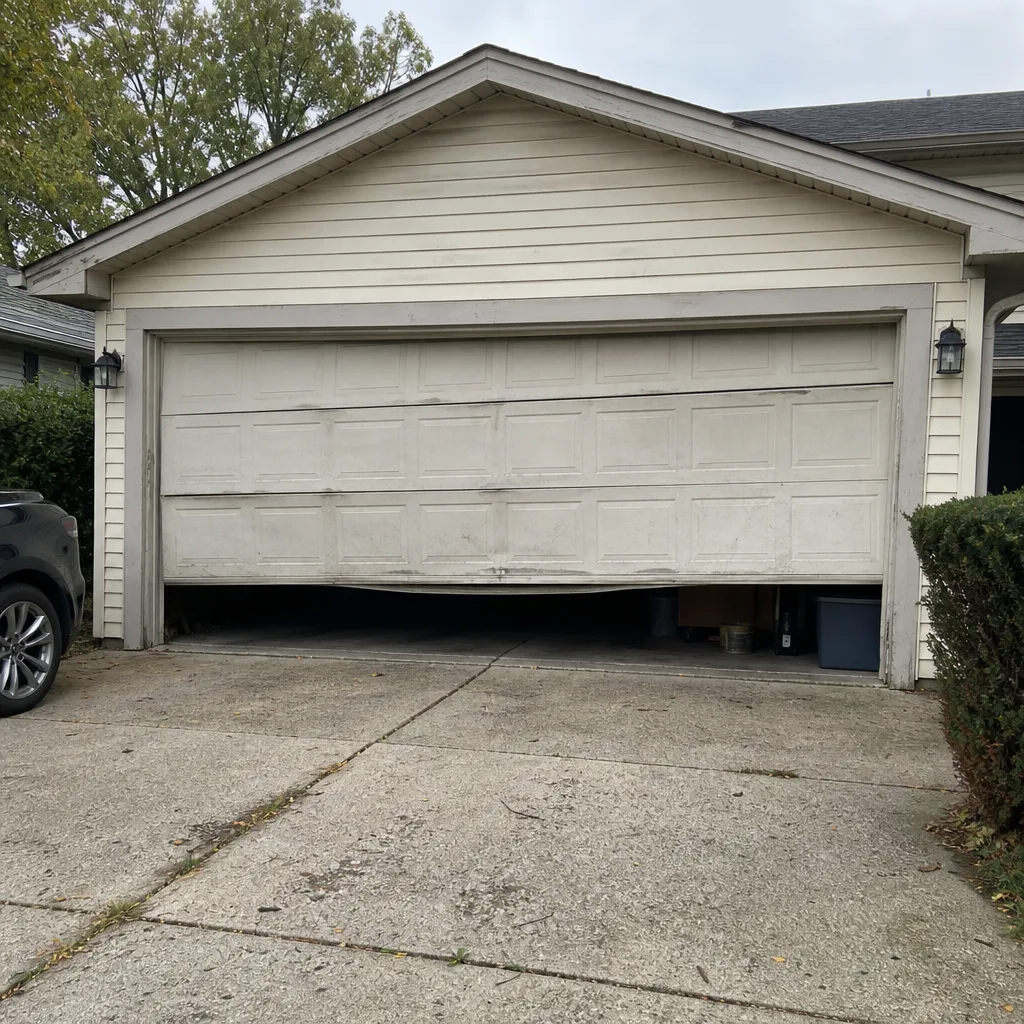
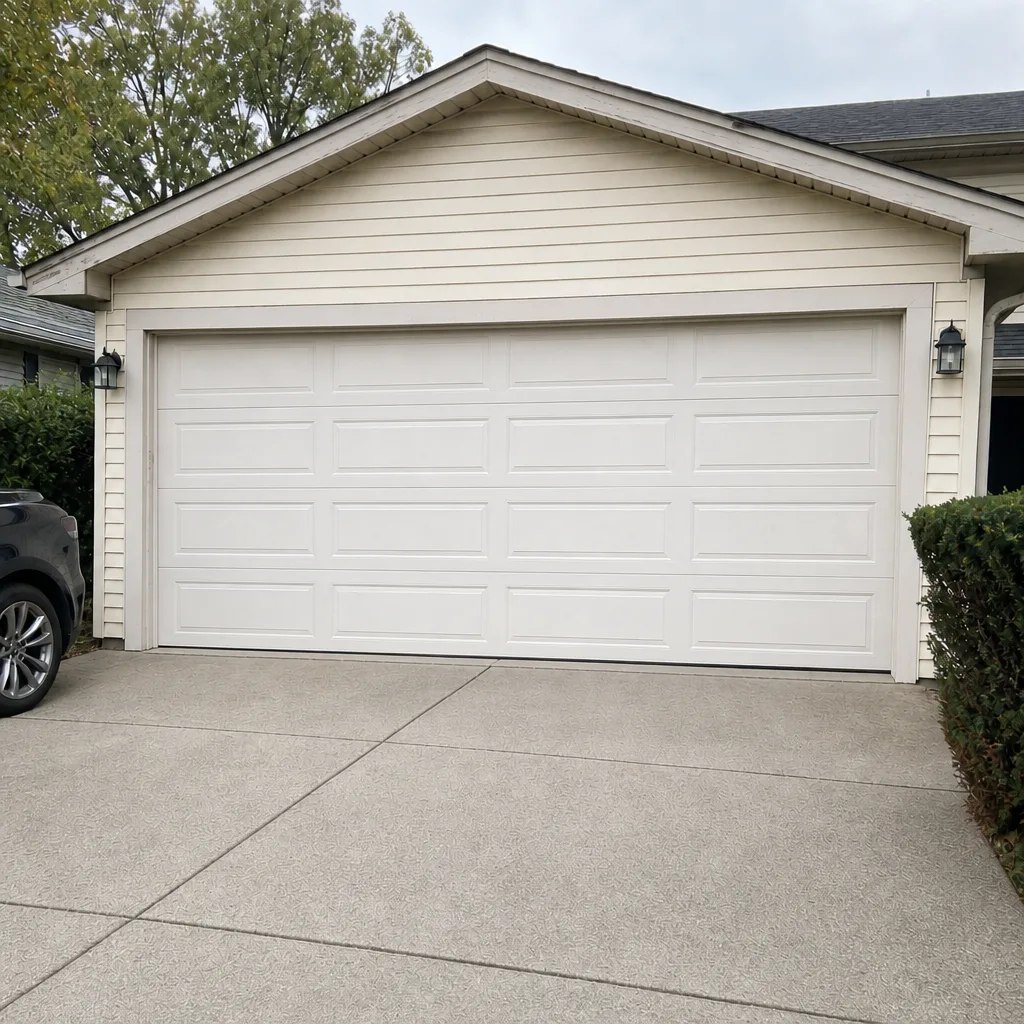
See the difference
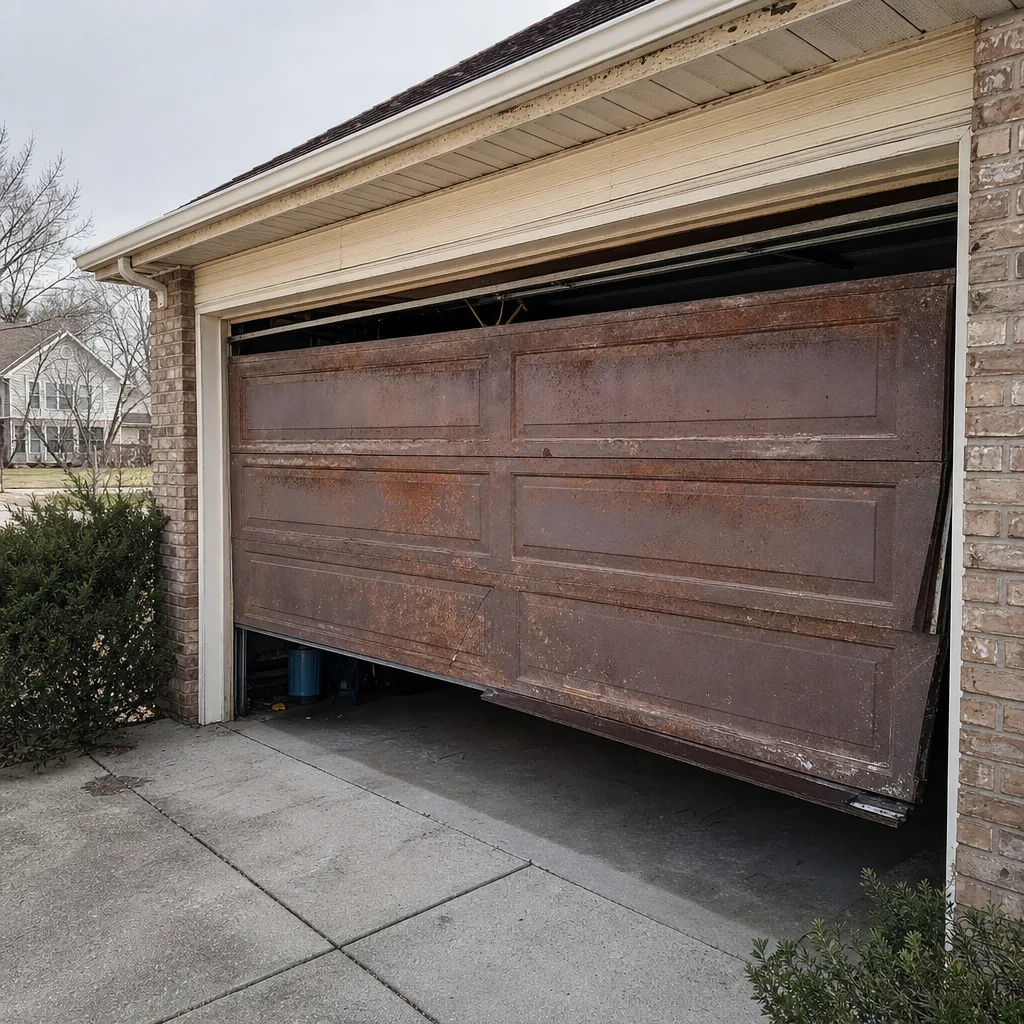 Before
 After
 Before
 After
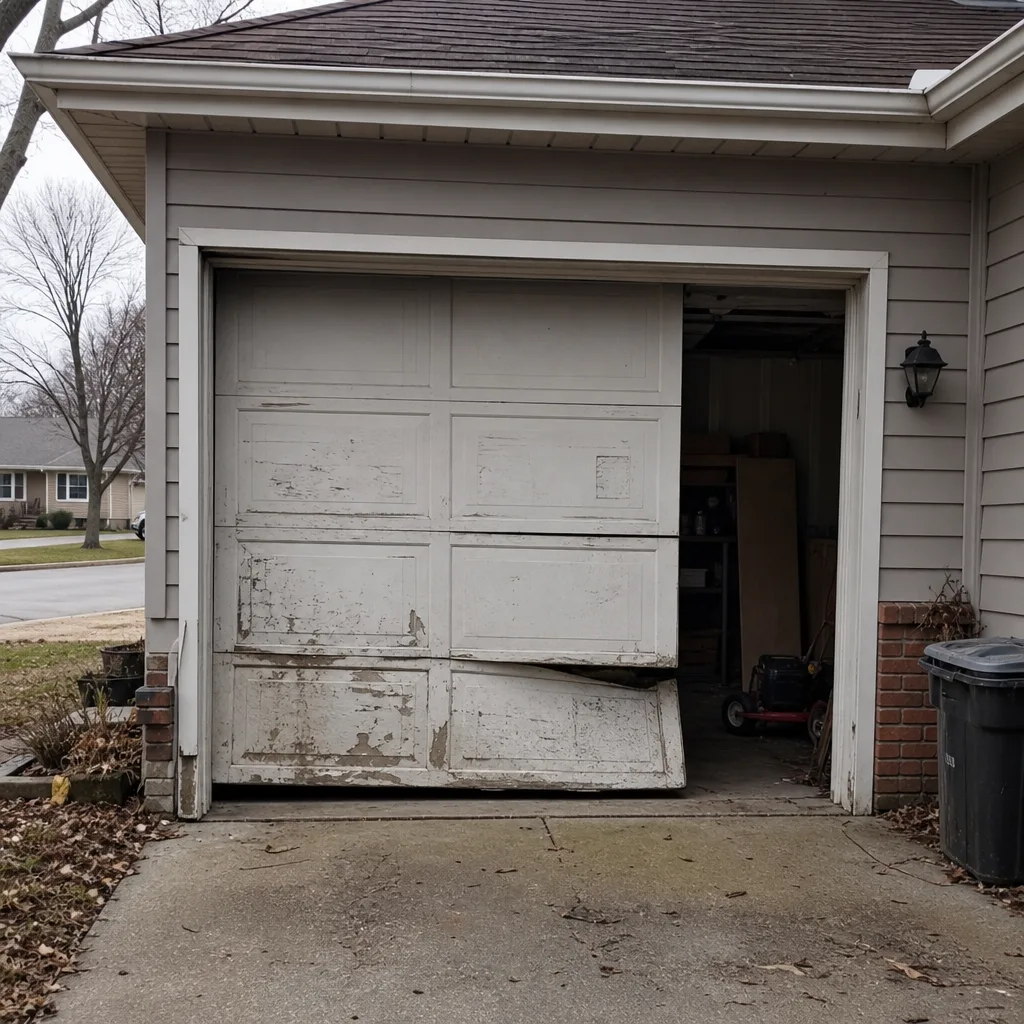 Before
 After
When to Call a Professional
Some brand-selection questions need expert eyes on the actual door. If your opener is blinking, reversing for no obvious reason, or refusing to close, our garage door opener repair service can diagnose it quickly. If your door is hanging off its track, sagging, or making a new noise, that’s a repair call. And if your spring has already snapped, please stop and call us before you touch anything: torsion and extension springs are under high tension, and handling them without the right tools and training is genuinely dangerous. A trained garage door specialist should manage springs every time. Naperville Garage Door Repair Pros offers free estimates in Naperville and we can help you shop wisely for a replacement door or a full garage door installation. Call (866) 947-9076. We answer 24/7. Fast dispatch from 7am to 7pm, Sunday through Friday.
Frequently Asked Questions
There’s no universal best brand. For an attached garage, an insulated door from Clopay or Amarr is usually the strongest fit because both offer good thermal options and have strong local parts availability. For a detached garage, Wayne Dalton, Raynor, or Craftsman are solid, practical choices. The right answer depends on your garage type, HOA rules, daily cycle count, and opener. Call (866) 947-9076 for an exact quote based on your specific door.
A typical residential steel door installation in the Naperville area runs from roughly $900 to $3,500 depending on the door material, insulation level, and size, with premium insulated or carriage-house styles at the higher end of that range. The written estimate you receive sets the final price, and we quote and agree on it before any work starts. Call (866) 947-9076 for a free estimate.
No, not after the written quote. We measure on-site, quote in writing, and the written estimate is the price. If something unexpected turns up during the installation, we talk to you before we do anything that would change the price. That’s our standard approach on every Naperville job. Call (866) 947-9076 to schedule a free measure.
The local professionals we connect you with are licensed and insured as their state requires. We work with independent local installers, and we vet them for the standards our Naperville customers expect. Call (866) 947-9076 for an exact quote and to schedule a free estimate.
We can often get to same-day service for repair jobs on the brands we work on most, including Clopay, Amarr, Wayne Dalton, Raynor, Craftsman, LiftMaster, Chamberlain, and Genie. Installations are scheduled after a measure. Call (866) 947-9076. We answer 24/7. Fast dispatch from 7am to 7pm, Sunday through Friday.
Ask three things: how easy it is to source replacement parts for the specific model, what the thermal and insulation options are for your garage type, and whether the model you want meets your subdivision’s HOA guidelines. If the installer can’t answer all three confidently, that’s a signal. Our technicians have up to 15 years of experience across the eight most common residential brands, and we’re happy to walk you through those questions on a free estimate. Call (866) 947-9076.
The Bottom Line
Choosing a garage door brand isn’t a ranking problem, it’s a matching problem. Start with your garage type, your daily cycle count, your HOA guidelines, and your existing opener. That narrows the field to a couple of realistic candidates. Then weight parts availability heavily, because a door that can’t be repaired quickly in Naperville is a bigger risk than a slightly less refined door that can. Clopay and Amarr tend to be the strongest fits for attached garages, Wayne Dalton, Raynor, and Craftsman for detached and lighter-duty use, and LiftMaster and Chamberlain for openers that will pair cleanly with your new door. When a spring breaks or a door comes off its tracks, our specialists back it up with a proper fix, so you’re back up and running today. Call (866) 947-9076 for your free estimate. We answer 24/7. Fast dispatch from 7am to 7pm, Sunday through Friday.
Written by the team at Naperville Garage Door Repair Pros.