
Last updated November 23, 2026
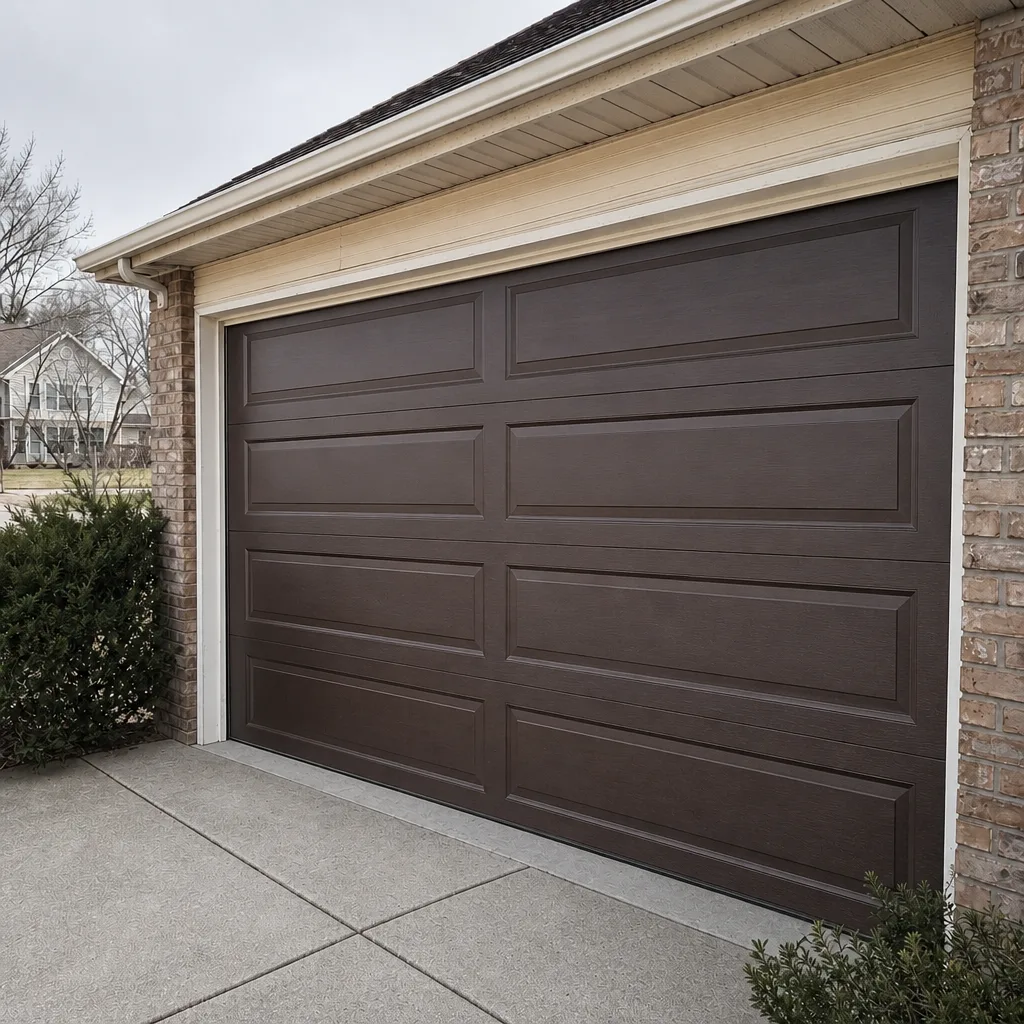
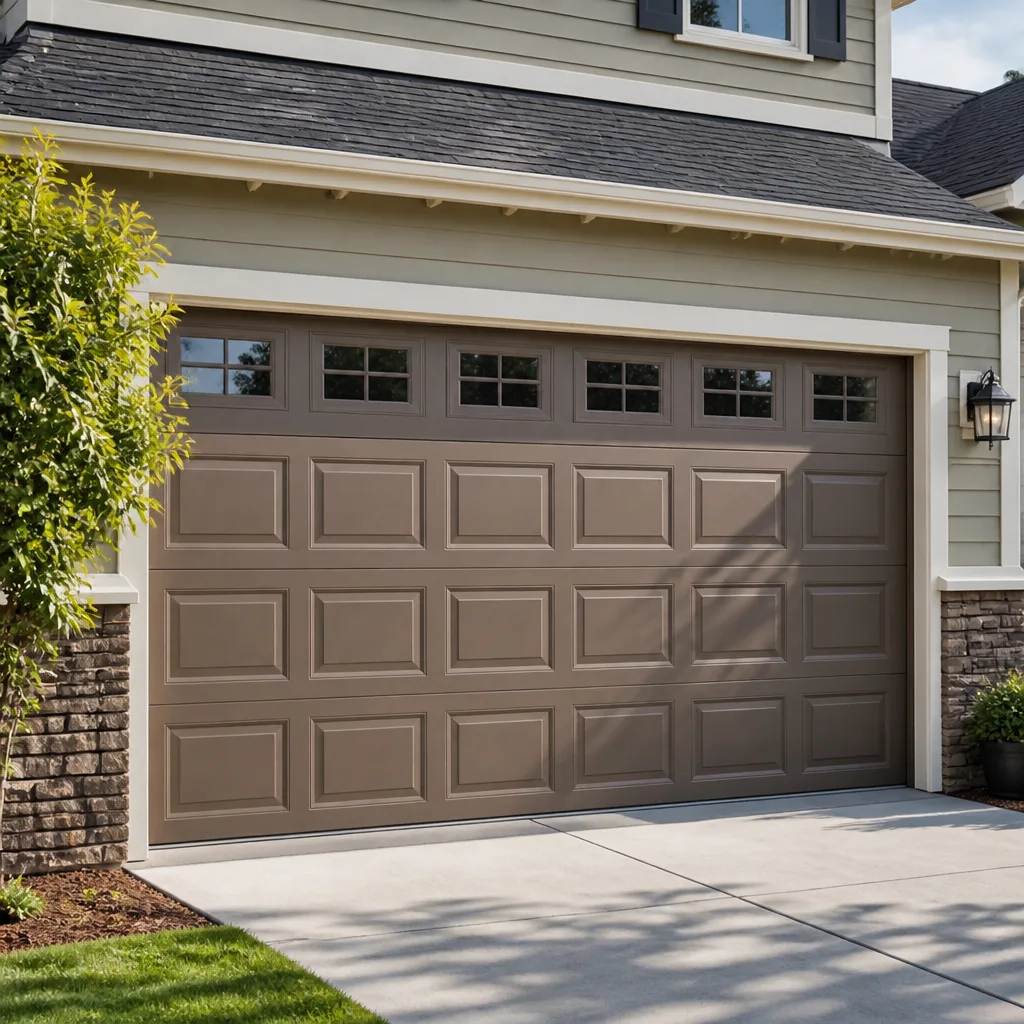 Raised-panel steel
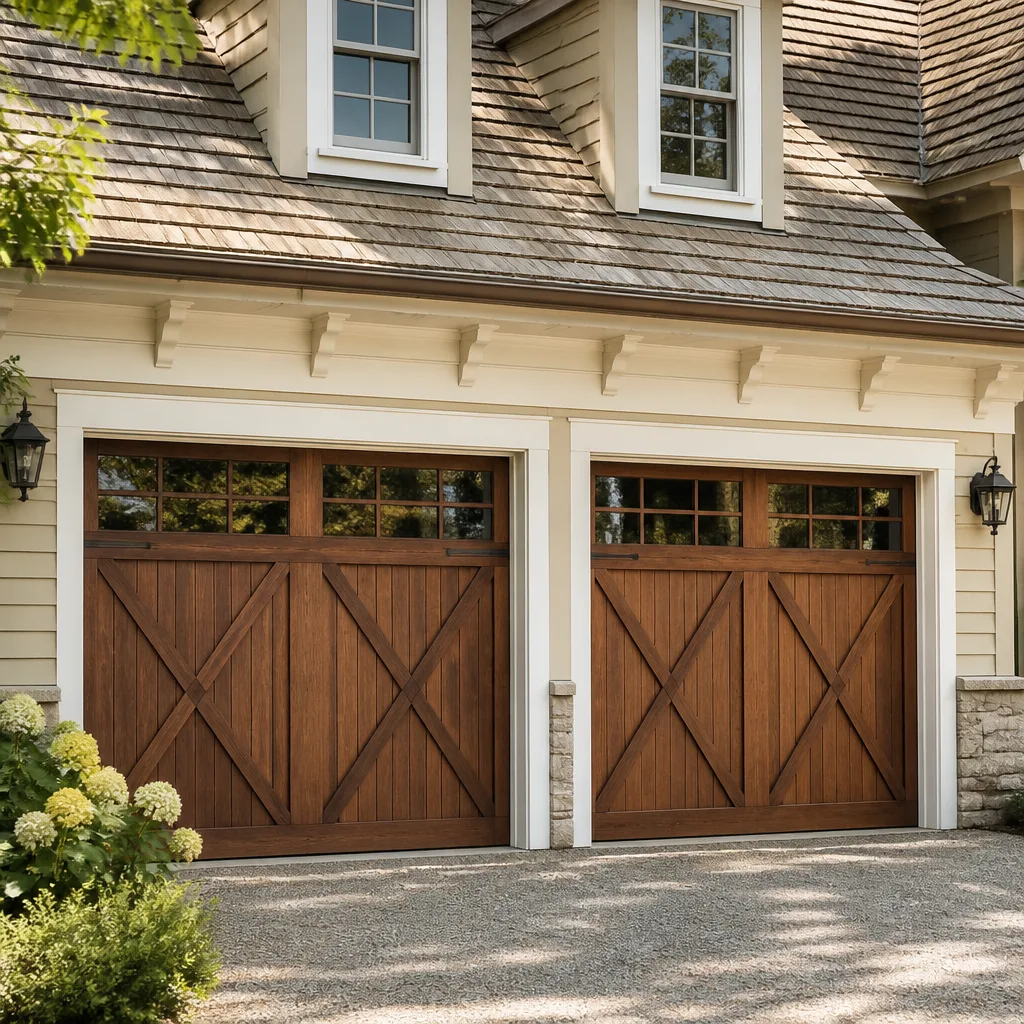 Carriage house
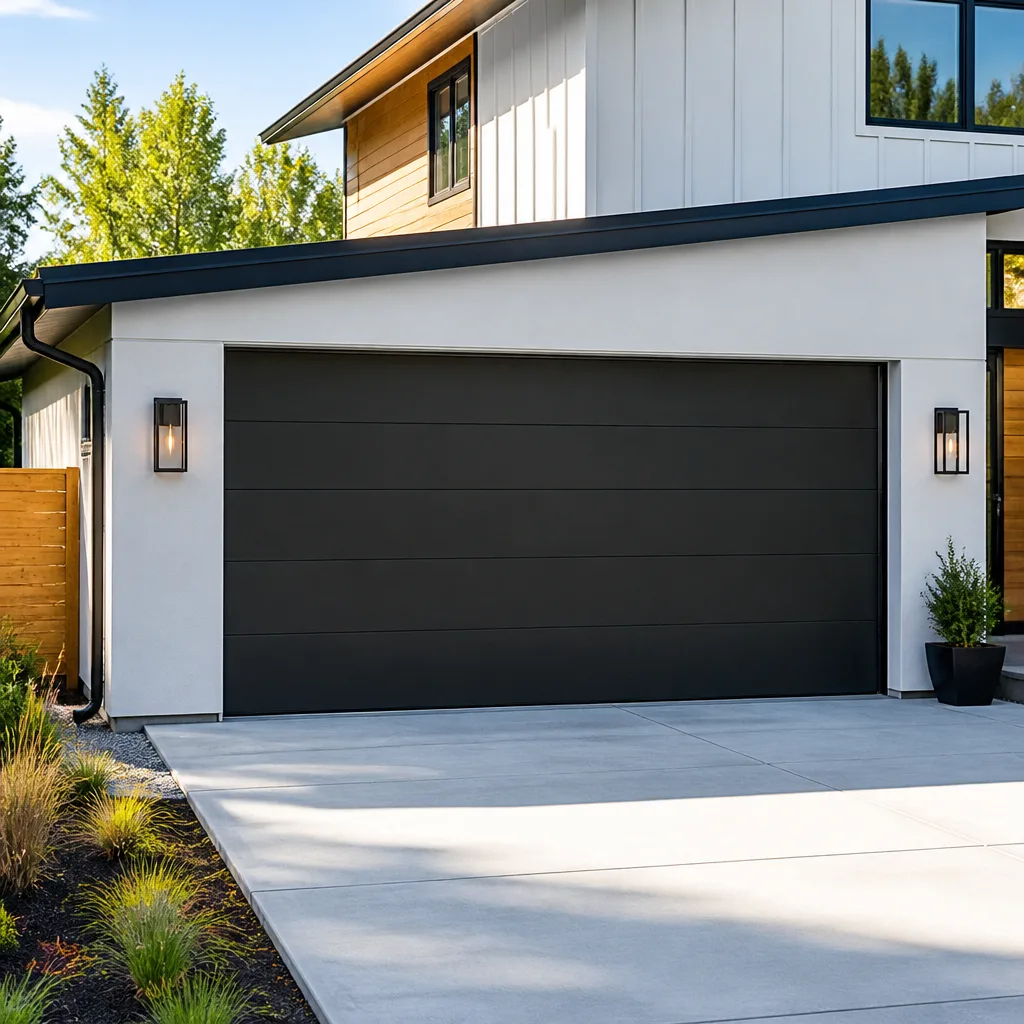 Modern flush
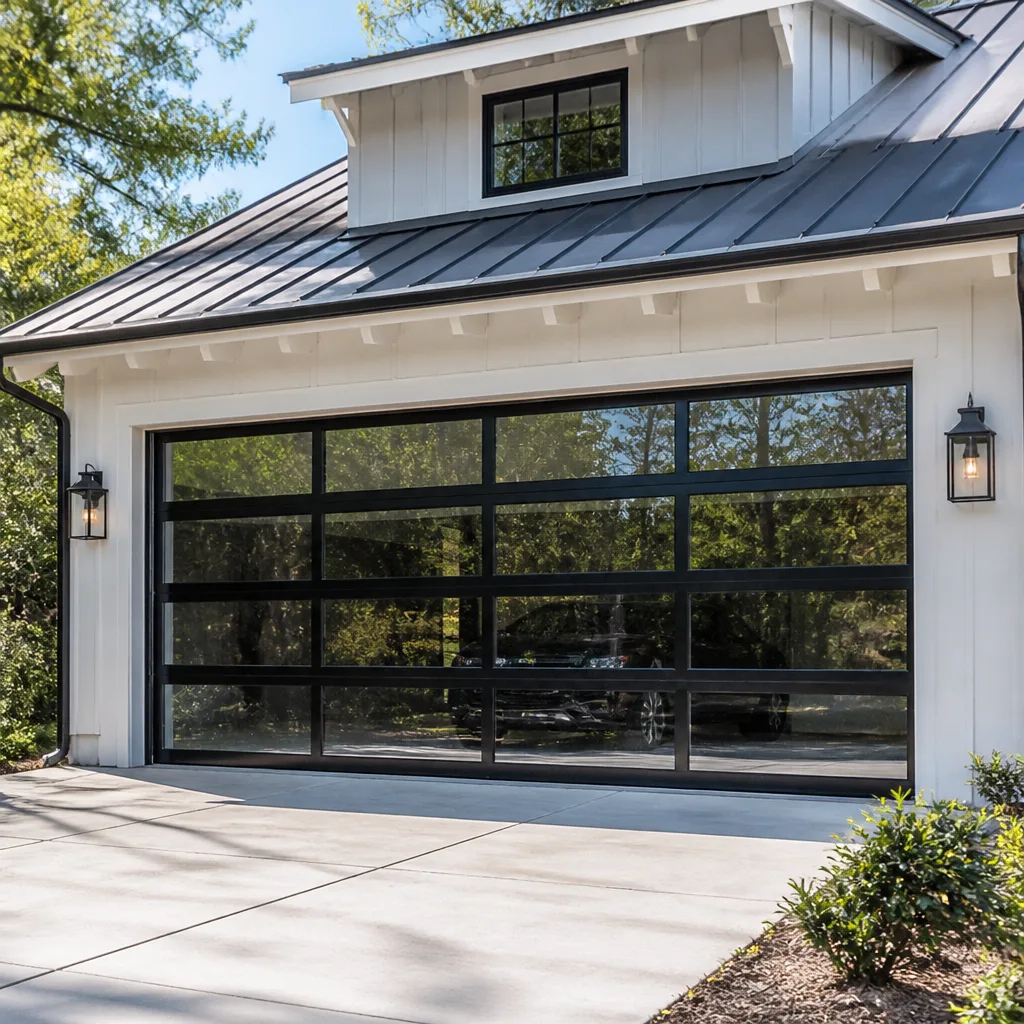 Full-view glass
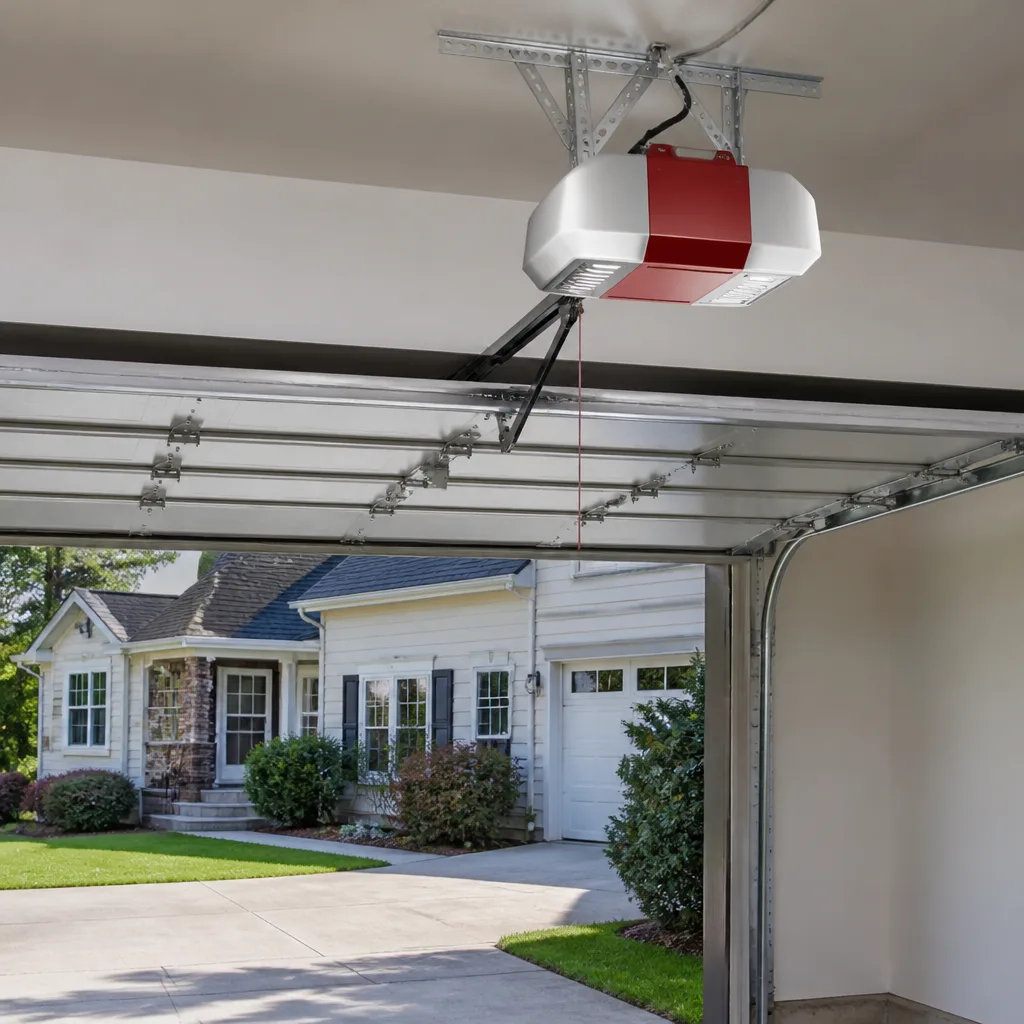 LiftMaster openers
 Chamberlain openers
Full 25-point door and opener safety check with every visit - springs, cables, rollers, tracks, and your LiftMaster or Chamberlain opener included
You get a price before we start. It does not change when the pro arrives.
Get your free estimateGarage Door Permits, Codes & Inspections in Naperville, IL: What You Need to Know
Here’s the part that surprises Naperville homeowners most: whether your garage door project needs a city permit has almost nothing to do with how much you’re spending. A $9,000 door swap can sail through without one. A modest replacement can require one, because the trigger is structural: the size of the opening, the fire separation between an attached garage and the house, and how a new opener gets wired. Skip the permit and you don’t just risk a city notice. You can create a disclosure problem when you sell. This guide walks through the actual triggers, the inspection process, and the right order of operations so the job holds up on paper as well as in your driveway.
Quick Answer
A like-for-like garage door replacement in Naperville often does not require a permit, but a project that changes the opening size, alters fire separation in an attached garage, or adds wiring for a new opener commonly does. The City of Naperville’s building department makes the final call, so confirm before work starts. A permit is separate from HOA architectural approval, and you typically need both, in the right order.
Styles & brands we work with
- Raised-panel steel
- Carriage house
- Modern flush
- Full-view glass
- LiftMaster openers
- Chamberlain openers
Table of Contents
- When Does a Garage Door Project Need a Permit in Naperville?
- The Like-for-Like Myth: When “Same Size” Still Triggers a Permit
- Fire Separation in Attached Garages: What the Illinois Residential Code Requires
- Opener Wiring: GFCI and Dedicated Circuit Rules Under Current Code
- What a Naperville Inspection Actually Covers
- HOA Approval vs. City Permit: The Correct Order
- Naperville’s Edge: Where City Rules Stop and Others Start
- Common Mistakes to Avoid
When Does a Garage Door Project Need a Permit in Naperville?
A garage door project needs a Naperville permit when it touches structure or wiring, not when it simply swaps panels. That one distinction resolves most of the confusion we hear on the phone. The city doesn’t permit “garage door installation” as a category. It permits the construction and wiring changes that a given project involves. If your job is strictly mechanical and stays within the existing opening, permit requirements are usually lighter than people fear. If it changes anything structural or adds an electrical circuit, plan for a permit.
Homeowners in Naperville are routinely caught off guard in both directions. Some expect a permit for a straight door swap and don’t need one. Others assume a new opener is a plug-and-play appliance and are surprised to learn that new wiring can pull the job into the permitting process. Here are the situations most likely to trigger a permit:
- Enlarging or reducing the rough opening, or changing the header or framing above the door
- Adding or relocating an electrical circuit or outlet for an opener, especially in an attached garage
- Changing the type of door in a way that affects fire separation (solid to louvered, adding windows, changing window ratings)
- Structural work such as replacing a load-bearing header or modifying how the door tracks tie to the framing
- New construction or an addition where the garage is part of the scope
What usually stays permit-free: replacing a plain old sectional door with a new one of the same size and configuration, swapping an opener on an existing circuit, or routine garage door repair such as spring or roller replacement. That said, thresholds aren’t universal and they aren’t always obvious. The City of Naperville’s building department is the authority, and a two-minute call with the permit desk settles the question far better than a guess. Our technicians have up to 15 years of experience, and the pattern we’ve watched repeat in Naperville is homeowners assuming a rule based on what a neighbor was told on a different street.
The Like-for-Like Myth: When “Same Size” Still Triggers a Permit
“It’s the same size, so it’s not structural” is the sentence that gets people into trouble. Replacing a door with the same dimensions is sometimes truly like-for-like and sometimes quietly changes something the code cares about. The dimensions on the outside don’t tell the whole story. What matters is whether the assembly’s performance characteristics change: fire rating, attachment method, and how the door ties into the framing.
Three cases where “same size” stops being like-for-like:
- The door body changes material or construction. A steel Clopay sectional coming out and a wood or composite Amarr door going in can change the weight distribution and how the tracks and header must carry load. The opening is identical; the engineering isn’t.
- Fire rating changes. In an attached garage, the door separating the garage from the living space is part of the fire separation. Going from a solid door to one with louvered vents, or adding windows with a lesser rating, changes that equation even at the same size.
- The opener is replaced along with the door and needs new wiring. A like-for-like door followed by a new opener on a freshly run circuit turns a mechanical swap into an electrical scope, and that’s a common permit trigger.
This is why we ask what’s actually being installed, not just what’s coming out. A Wayne Dalton door with an integrated opener system, for example, can present a different wiring picture than a standard sectional. The safe approach in Naperville is to describe the job accurately to the city and let them tell you whether a permit applies. When in doubt, permit it. The cost of a permit is small next to the cost of a project that fails an inspection or surfaces in a title search years later.
Fire Separation in Attached Garages: What the Illinois Residential Code Requires
Most Naperville homes have attached garages, which is why fire separation comes up on so many door projects. The Illinois Residential Code, adopted statewide and enforced locally, requires a barrier between an attached garage and the house that resists fire long enough to let occupants escape. That’s the point of the requirement: buying minutes, not just ticking a code box. Because so many Naperville houses share a wall, floor or ceiling with the garage, the door in that wall is part of the separation.
What this means for a door or opener job:
- The garage-house door matters. If your project involves the door separating the garage from living space, fire separation applies. A hollow or louvered door in that position is common in older garages and is generally a code concern.
- Self-closing and self-latching. The house-to-garage door needs to close and latch on its own in most code interpretations, which is often a simple hardware fix or a spring replacement.
- The overhead door itself. Standard overhead doors aren’t typically required to be fire-rated, but if the layout uses the door as part of the separation in a specific way, the city may want to see it.
- Openings into the house. Any penetration or opening between the garage and the house – from wiring to ducting – has to preserve the barrier.
We can’t quote a code section for your specific case, and we don’t try. What we can do is flag the situations that commonly come up in Naperville: an older door between the garage and the house that’s never been upgraded, an opener replacement that penetrates the wall for a control wire, or a garage-to-house door that no longer self-closes. If any of those describe your garage, ask the city’s building department what your project requires. The answer is usually clearer than the internet makes it sound.
Opener Wiring: GFCI and Dedicated Circuit Rules Under Current Code
A new garage door opener looks like an appliance swap. In code terms, it’s sometimes an electrical project, and that surprises people. The current National Electrical Code adopted by Naperville includes GFCI protection requirements for receptacles in garages, and a dedicated circuit for a garage opener is common practice. When you install a new opener, especially one of the smart systems we see in LiftMaster and Genie units, the installer may need to add or modify a receptacle on that circuit. That wiring is what typically needs a permit, not the opener itself.
The practical questions to answer before your opener installation:
- Is there an existing opener circuit? If the old opener had a dedicated circuit in good shape, replacing the opener on that circuit is often just a plug-and-play.
- Does the new opener need a receptacle in a new location? A newer opener with a different power cord layout might need the receptacle moved, which means electrical work.
- Is the existing garage circuit GFCI-protected? Garage receptacles generally need GFCI protection under current code. If the existing circuit doesn’t have it, the new opener may prompt a conversation about upgrading.
- Will the job require a permit? Adding a circuit or moving a receptacle usually does. Replacing an opener on an existing circuit usually doesn’t.
This is one area where a specialist’s familiarity with brands pays off. We work on garage door opener repair and new opener installations every week, and we know which units draw which wiring and which brand families need what at the panel. Our technicians have up to 15 years of experience, and the wiring questions come up on almost every modern opener install. If a new circuit is needed, we’ll tell you. We can’t do the electrical work ourselves – that’s an electrician’s scope – but we can point out what needs doing before the city sees it.
What a Naperville Inspection Actually Covers
A Naperville building inspection for garage door work looks at structure, safety, and code compliance – not at whether the door “looks right.” The inspector is checking the things that would matter if the door failed or the house caught fire. It’s less about aesthetics and more about whether the job holds up under load and preserves fire separation. Here’s what typically gets checked:
- Structural attachment. The header, the tracks, and how they tie into the framing. If you added a header or changed the opening, they’ll look closely.
- Fire separation. In an attached garage, the inspector will verify the garage-to-house door closes and latches as required, and that any wall penetrations are sealed.
- Electrical. If new wiring was part of the scope, the inspector checks the circuit, the GFCI protection, and the connection at the opener.
- Safety devices. The door’s reversal safety and the opener’s safety sensors. These are code-mandated and an inspector may test them.
- The approved plans. They’ll compare the installed job to the plans you submitted.
How to prepare in Naperville: clear the garage so the inspector can reach the tracks and the opener, have your approved plans on hand, and make sure the door’s safety features are working before the visit. If any part of the job was done by a subcontractor, have their paperwork ready. A failed inspection usually isn’t about big problems – it’s about small things like a sensor out of alignment or a receptacle without GFCI protection. Fix those before the inspector arrives and the visit is short.
HOA Approval vs. City Permit: The Correct Order
A city permit and an HOA architectural approval are two different things, and one does not substitute for the other. This trips up more Naperville homeowners than any other part of the process. The city cares about code and safety. Your HOA cares about aesthetics, consistency, and how the street looks. Both can apply to the same door project, and getting them out of order can mean tearing a new door off a wall.
The right sequence, from the first step to the last:
- Check your HOA rules first. Read the architectural guidelines for door and opener changes. Some Naperville communities have specific color, panel style, or material requirements, and a few want to see the door before installation.
- Submit your HOA application. Include the model, color, and specifications. Some HOAs want one page, some want the full manufacturer sheet for a Clopay or Amarr model. Give them what they ask for.
- Confirm with the City of Naperville whether a permit applies. Do this even if the HOA approved the design. The city’s rules are separate.
- Apply for the city permit if needed. Submit plans and wait for approval.
- Install the door or opener. Only after both the HOA approval and the permit, if required, are in hand.
- Schedule the inspection. If a permit was issued, the inspection usually follows the install.
The order matters because doing it backward – installing first, asking forgiveness later – means paying for removal and do-over. HOA boards rarely waive a design requirement after the fact, and cities don’t retroactively bless unpermitted work without a process. Treat the HOA and the city as two separate gates. Passing one isn’t passing the other. If you’re not sure where to start, the city’s permit desk and your HOA’s architectural committee are both better sources than a neighbor’s recollection.
Naperville’s Edge: Where City Rules Stop and Others Start
Naperville’s municipal boundary is irregular, which means “Naperville” the mailing address and “Naperville” the permitting jurisdiction aren’t always the same. Neighborhoods that carry a Naperville address but sit outside the city limits fall under a different authority, and that changes the answer to “do I need a permit?” pretty dramatically. It’s one of the least-discussed aspects of garage door permitting in Naperville, and it’s worth sorting out before you call anyone.
Here’s how it plays out in practice:
- Aurora has its own building department and permit process. Some Naperville-address properties near the western edge sit in Aurora’s jurisdiction.
- Lisle, Bolingbrook, and Warrenville each have their own rules and processes. If your property is in one of those, their building department governs the door project, not Naperville’s.
- Unincorporated DuPage and Will County properties follow county permitting. That’s a different office and often a different process.
The way to know: check your property tax bill or your deed. It lists the taxing district and municipality. If you’re still unsure, call the city or county and ask which authority issues building permits for your address. Get the answer in writing. This matters most in the neighborhoods clustered near the border, where a neighbor a few doors down might have a different permitting authority entirely. We see this on garage door installation jobs where the customer assumed the same rules applied as the last house, and they didn’t. When you call, tell us your address and we’ll point you toward the right authority to confirm the permit question.
Common Mistakes to Avoid
The permit process for garage door work has a short list of mistakes that account for most of the headaches. Here are the ones we’d flag before you start:
- Assuming “same size” means “no permit.” As covered above, a like-for-like door can still cross into permit territory if it changes fire rating, material, or wiring. Call the city, don’t assume.
- Getting HOA approval and stopping there. HOA approval is not a permit. The city has its own standards, and the HOA doesn’t enforce code. Do both.
- Skipping the HOA because you got the permit. Same mistake in reverse. A permit from Naperville doesn’t override your subdivision’s design guidelines, and the HOA can require changes after the fact.
- Adding a receptacle for a new opener without a permit. Running new wiring for a smart opener is electrical work. The city wants to know when a circuit is added to a garage, and it typically needs to see GFCI protection.
- Choosing a door before checking the rules. Some Naperville HOAs restrict door colors, panel styles, or materials. If you fall in love with a door the HOA doesn’t allow, you’re paying for a return trip.
- Forgetting the fire separation door. In an attached garage, the door between the garage and the house is part of the barrier. If yours is hollow or won’t self-close, the code concern is yours to fix, and it’s often cheap and simple.
- Assuming the city limits and the mailing address match. A Naperville address on the county line might mean an Aurora or Lisle permit. Confirm with your tax bill before you file anything.
- Installing before the permit is issued. Starting work before the permit is in hand is the single biggest way to turn a simple swap into a drawn-out process. The permit comes first.
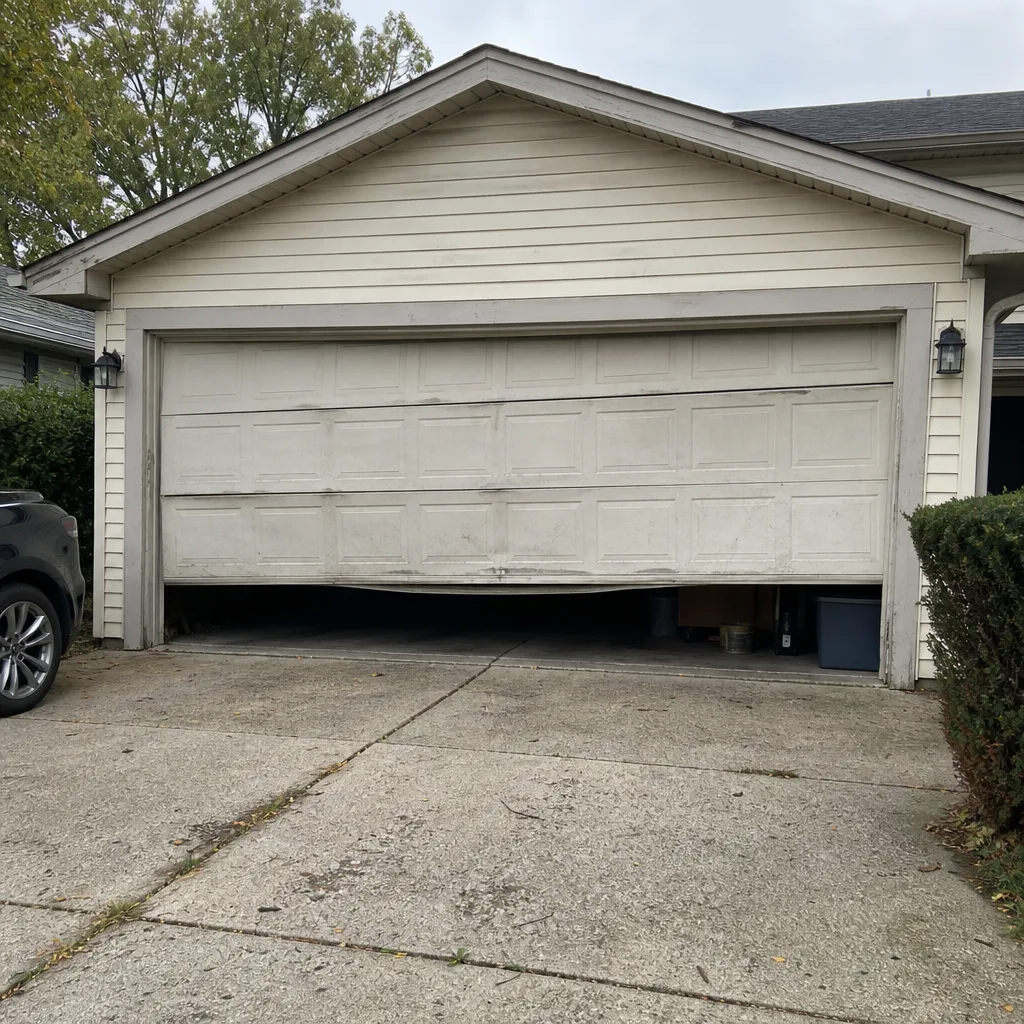
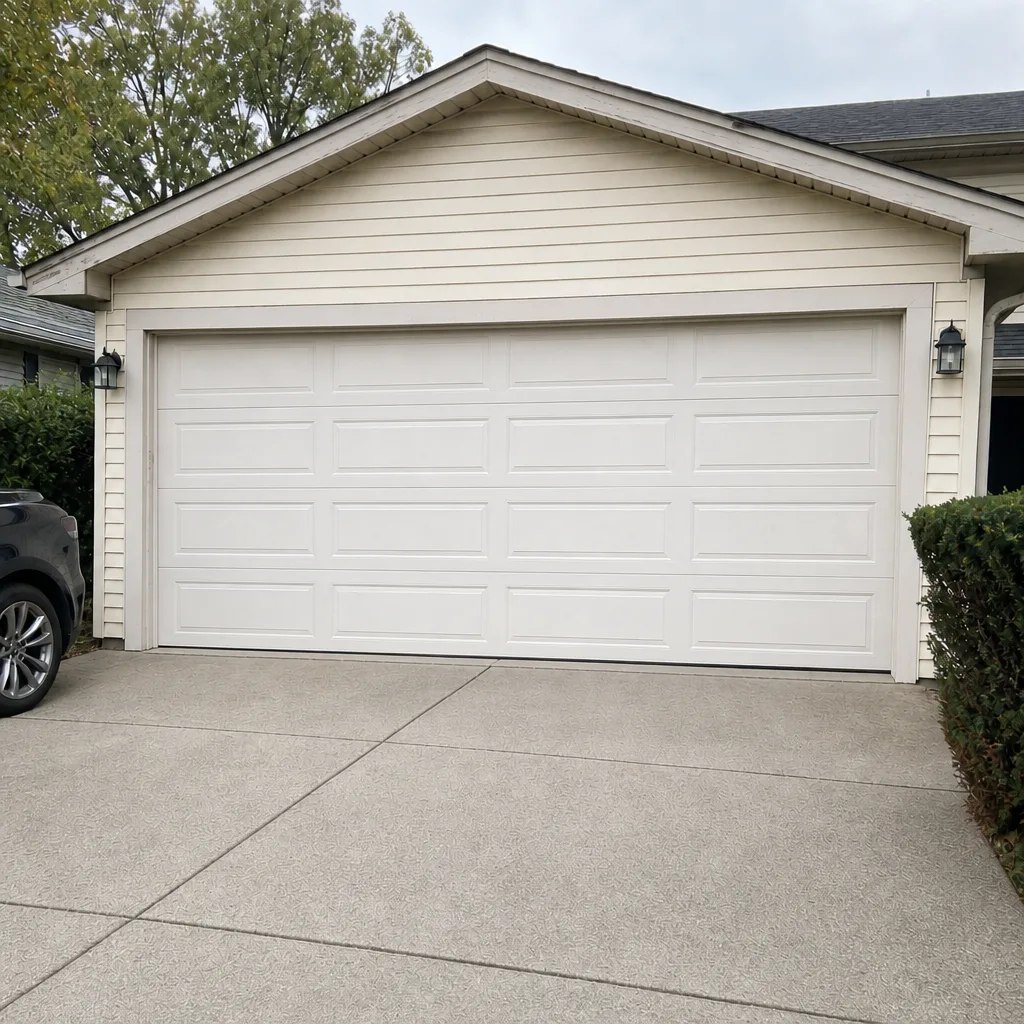
See the difference
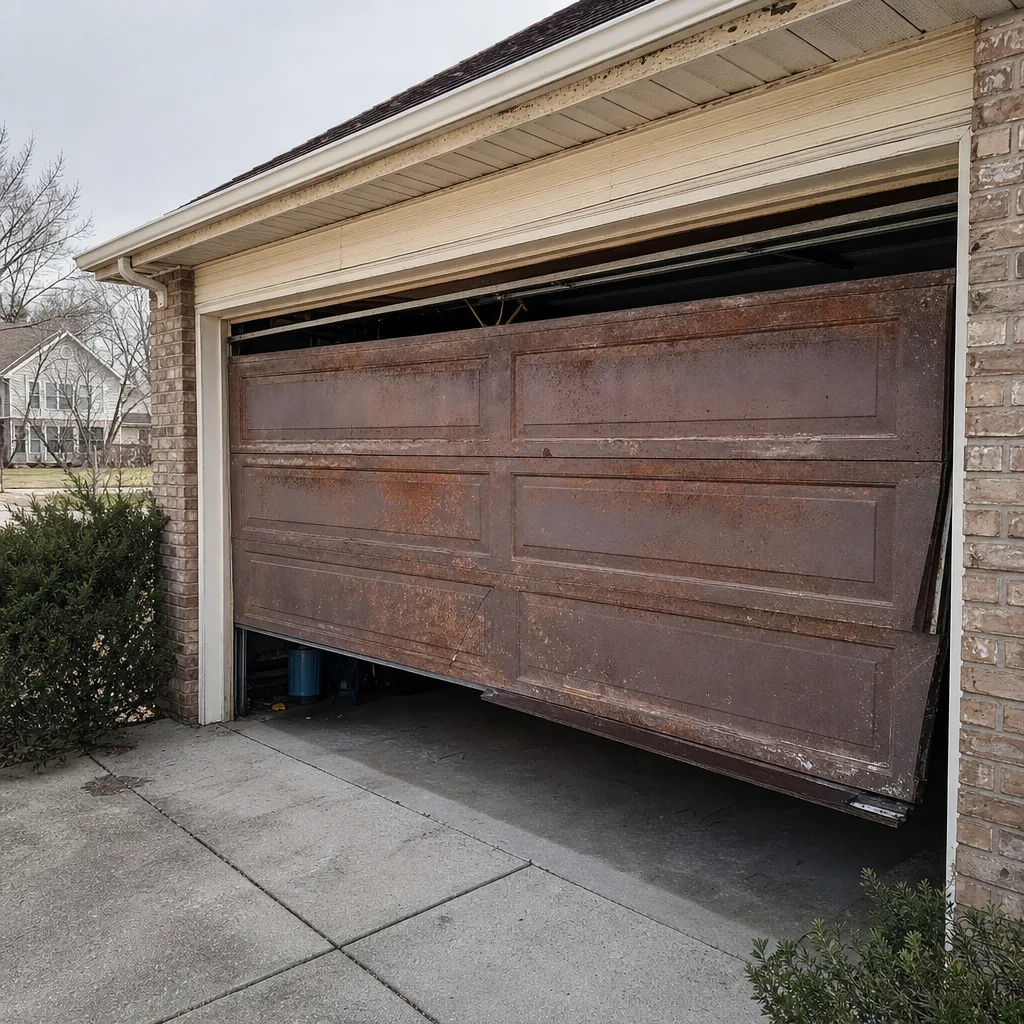 Before
 After
 Before
 After
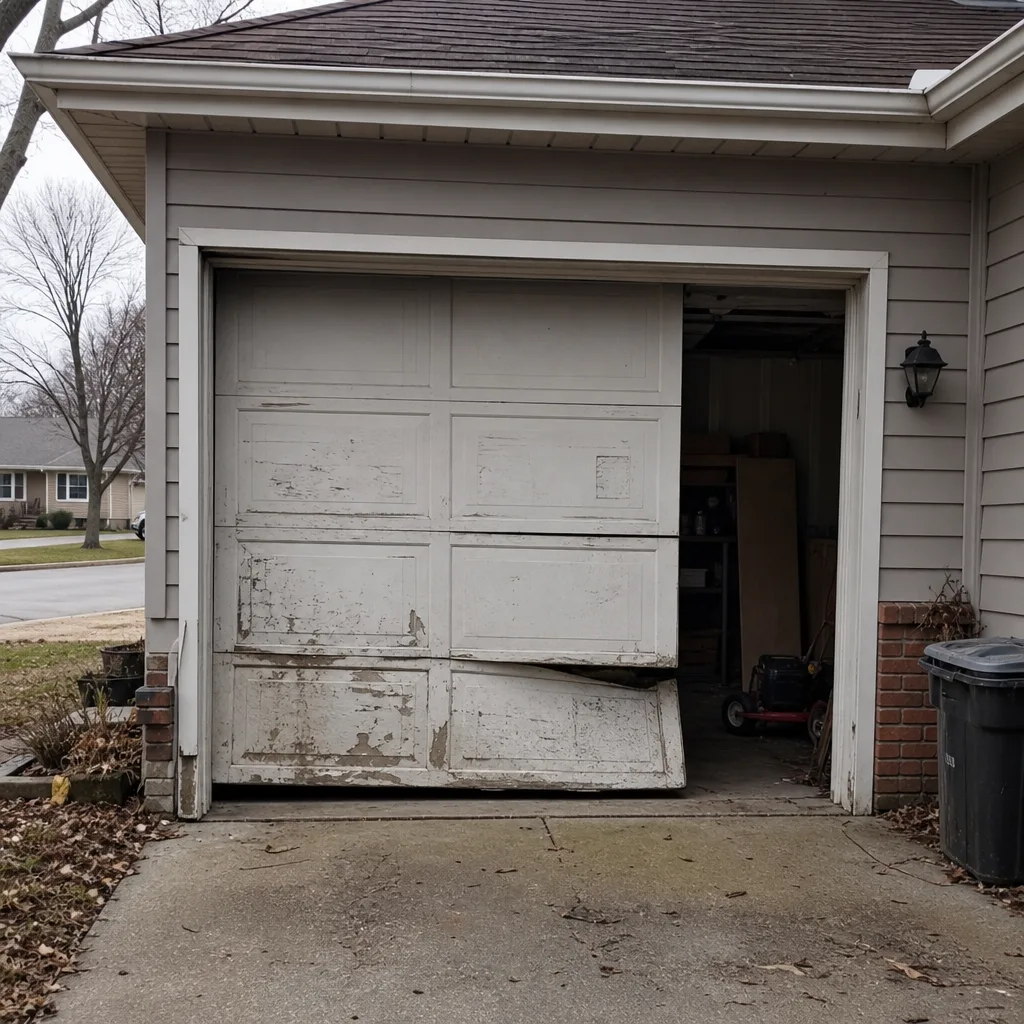 Before
 After
When to Call a Professional
Some of this you can handle yourself. The permit research, the HOA paperwork, and the call to the city are homeowner territory, and you’ll do a better job with the facts in hand. But a few parts of a garage door project shouldn’t be DIY, and it’s not about skill – it’s about risk. Spring replacement is a genuine hazard. Torsion and extension springs store enormous force, and a spring released without the right tools and technique can injure someone or damage the door. Fire separation and electrical wiring also call for a trained hand. If your project involves any of those, the safe move is to call a specialist. Our technicians have up to 15 years of experience and work on the eight brands most common in Naperville garages, including LiftMaster, Chamberlain, Genie, Clopay, Amarr, Wayne Dalton, Craftsman, and Raynor. Naperville Garage Door Repair Pros offers free estimates in Naperville – call (866) 947-9076. We answer 24/7. Fast dispatch from 7am to 7pm, Sunday through Friday. Every price is quoted and agreed before any work starts, and the written estimate sets the final price.
Frequently Asked Questions
Often no, but not always. A straight like-for-like replacement of the door on an existing opening usually stays permit-free, while a project that changes the opening size, alters fire separation in an attached garage, or adds new wiring for an opener commonly requires one. The City of Naperville’s building department makes the final call, so confirm before you schedule the work. When in doubt, permit it – a permit is far cheaper than a do-over or a disclosure surprise at resale. Call (866) 947-9076 for a free estimate and we’ll talk through your job.
Illinois adopts a residential code statewide, but permit triggers are set and enforced by each municipality. That means Naperville’s rules can differ from Aurora’s or Lisle’s, and even properties with a Naperville mailing address can sit in another authority’s jurisdiction. Don’t assume the state code answers “do I need a permit?” – it’s the local building department that does. Call the city that issues permits for your address and ask. If you’re not sure which one that is, your property tax bill lists the district. For a free estimate once you know, call (866) 947-9076.
It checks structure, safety, and code compliance. Specifically: how the door and header are attached to the framing, whether the fire separation in an attached garage is intact, whether new wiring is on a proper circuit with GFCI protection, and whether the opener’s safety sensors and reversal work. The inspector also compares the installed job to the approved plans. Clear the garage, have the plans ready, and test the safety features before the visit. If something fails, it’s usually small – a misaligned sensor or a receptacle without GFCI protection. Call (866) 947-9076 for a free estimate on repair work.
Yes, in many Naperville neighborhoods. HOA approval is separate from a city permit, and neither substitutes for the other. The city enforces code and safety; the HOA enforces architectural guidelines like door color, panel style, and material. Get HOA approval first, then confirm with the city whether a permit applies. Installing before both gates are cleared can mean removing a new door you paid for. Call (866) 947-9076 for a free estimate and we’ll help you understand what your install will involve.
Sometimes. Replacing an opener on an existing garage circuit is usually a simple swap that doesn’t need a permit. But if the new opener requires a new receptacle, a relocated outlet, or a dedicated circuit, that’s electrical work and typically does need a permit – and under current code, garage receptacles generally need GFCI protection. The answer depends on your existing wiring, not the opener model. Ask the City of Naperville’s building department and describe the wiring, not the brand. Call (866) 947-9076 for a free estimate on opener repair or installation.
Skipping a required permit can create a material disclosure issue when you sell, and it can leave you exposed to a city notice and re-inspection process. Even if nothing goes wrong structurally, a buyer’s inspection or a title search can surface unpermitted work and slow the sale. The exception is when the project genuinely didn’t need a permit – in which case, get that confirmed in writing by the building department and keep it with your records. If your project does need one, the process is shorter than people fear. Call (866) 947-9076 for a free estimate.
The Bottom Line
Garage door permitting in Naperville isn’t about the price of the job – it’s about structure, fire separation, and wiring. A like-for-like door swap often needs nothing, while a project that changes the opening, alters fire separation in an attached garage, or adds an opener circuit usually needs a permit. Confirm with the City of Naperville’s building department before work starts, and check whether your property is actually in Naperville’s jurisdiction. Get your HOA approval first, then the permit, then install. Skip the shortcuts on fire separation and spring work – call a specialist. Naperville Garage Door Repair Pros offers free estimates: (866) 947-9076. We answer 24/7. Fast dispatch from 7am to 7pm, Sunday through Friday. The written estimate sets the final price, quoted and agreed before any work starts.
For a wider look at what we do across Naperville, see Naperville Garage Door Repair Pros.
Written by the team at Naperville Garage Door Repair Pros.