
Last updated November 23, 2026
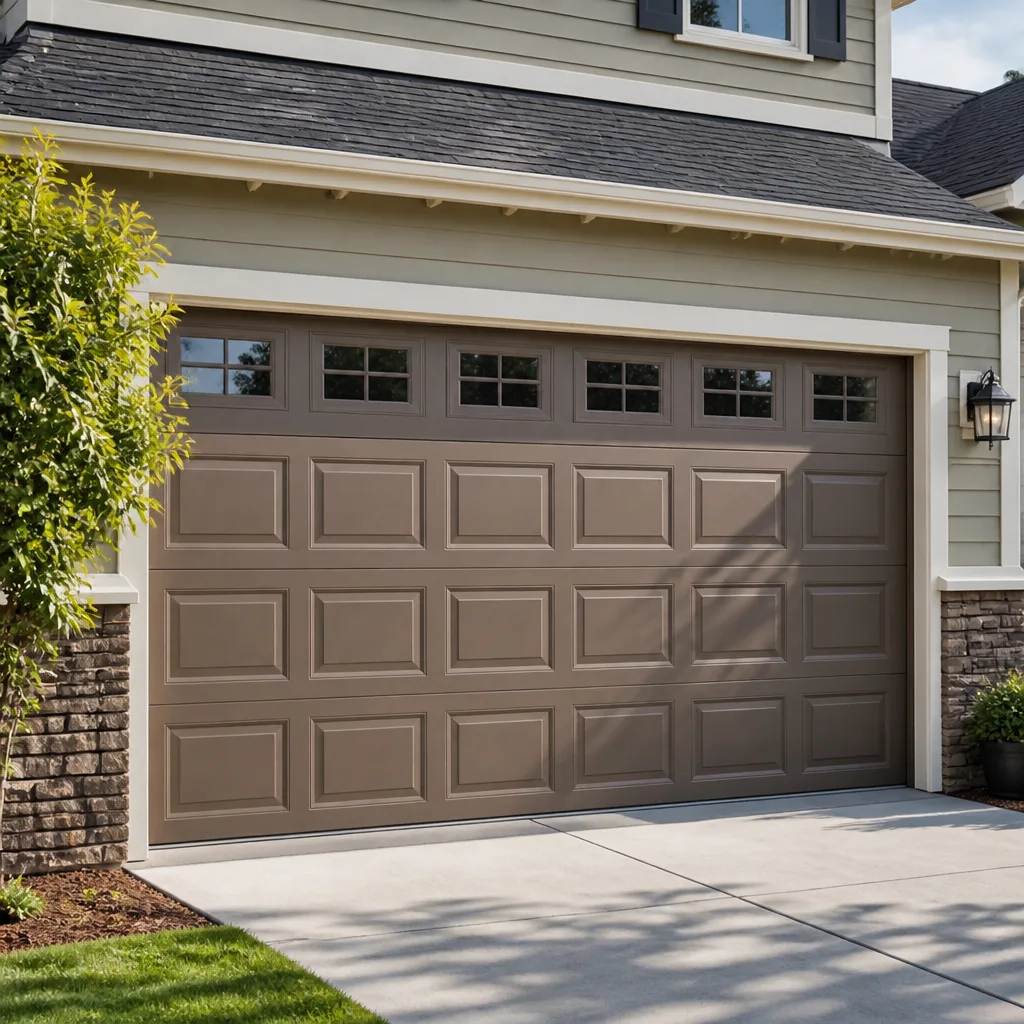 Raised-panel steel
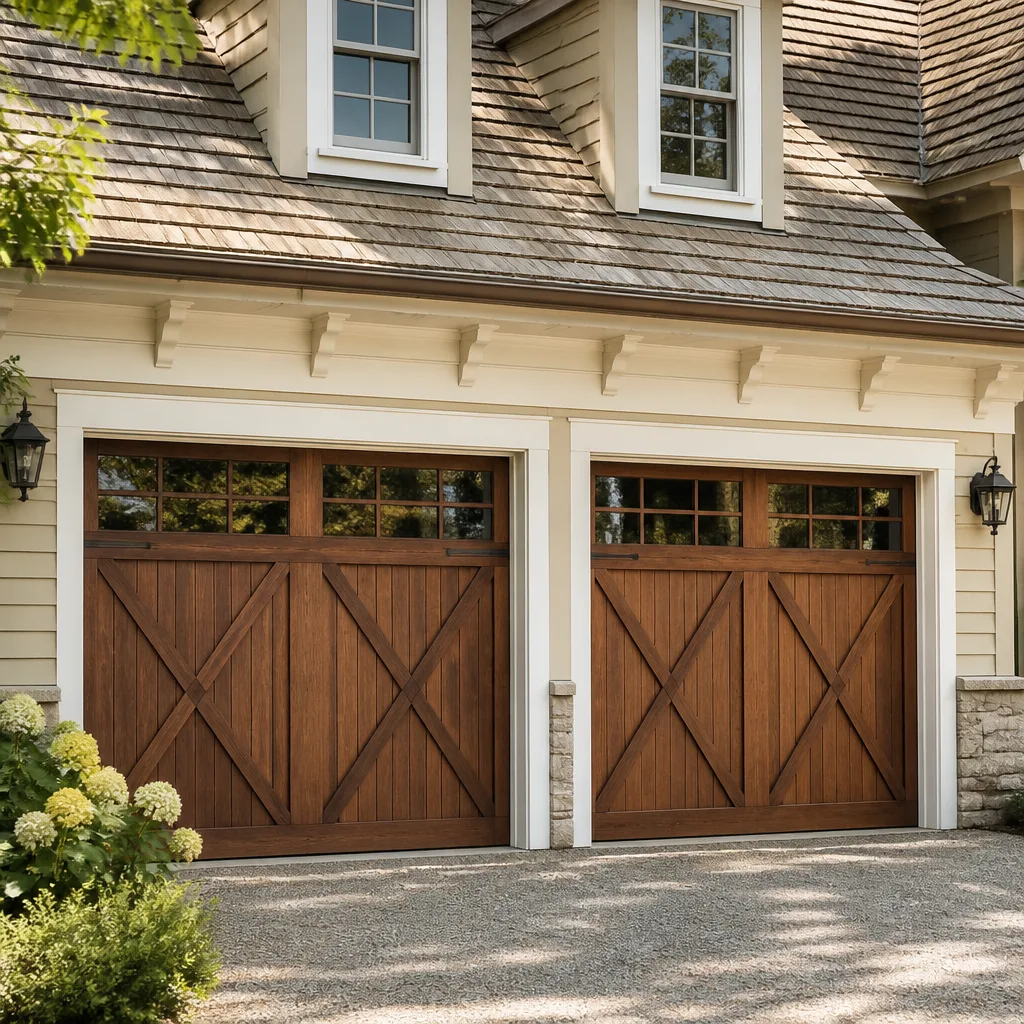 Carriage house
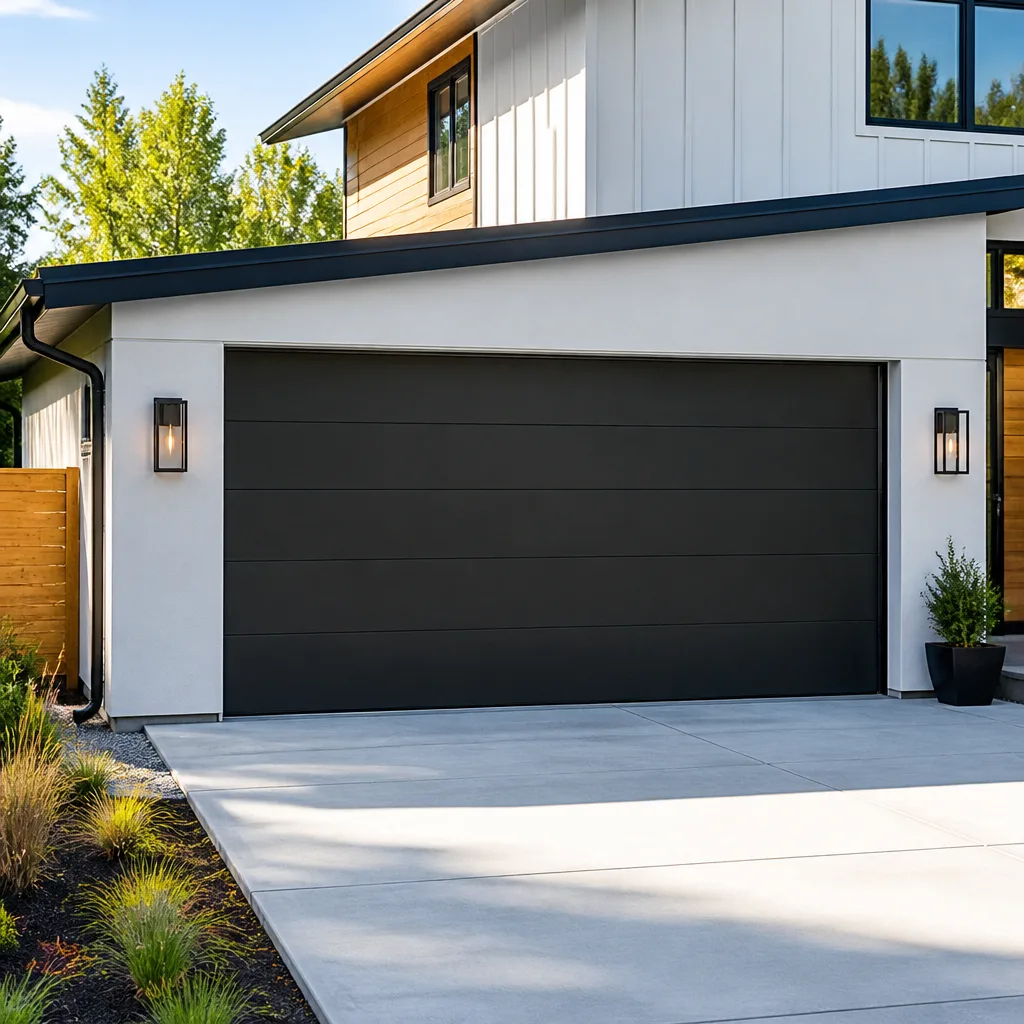 Modern flush
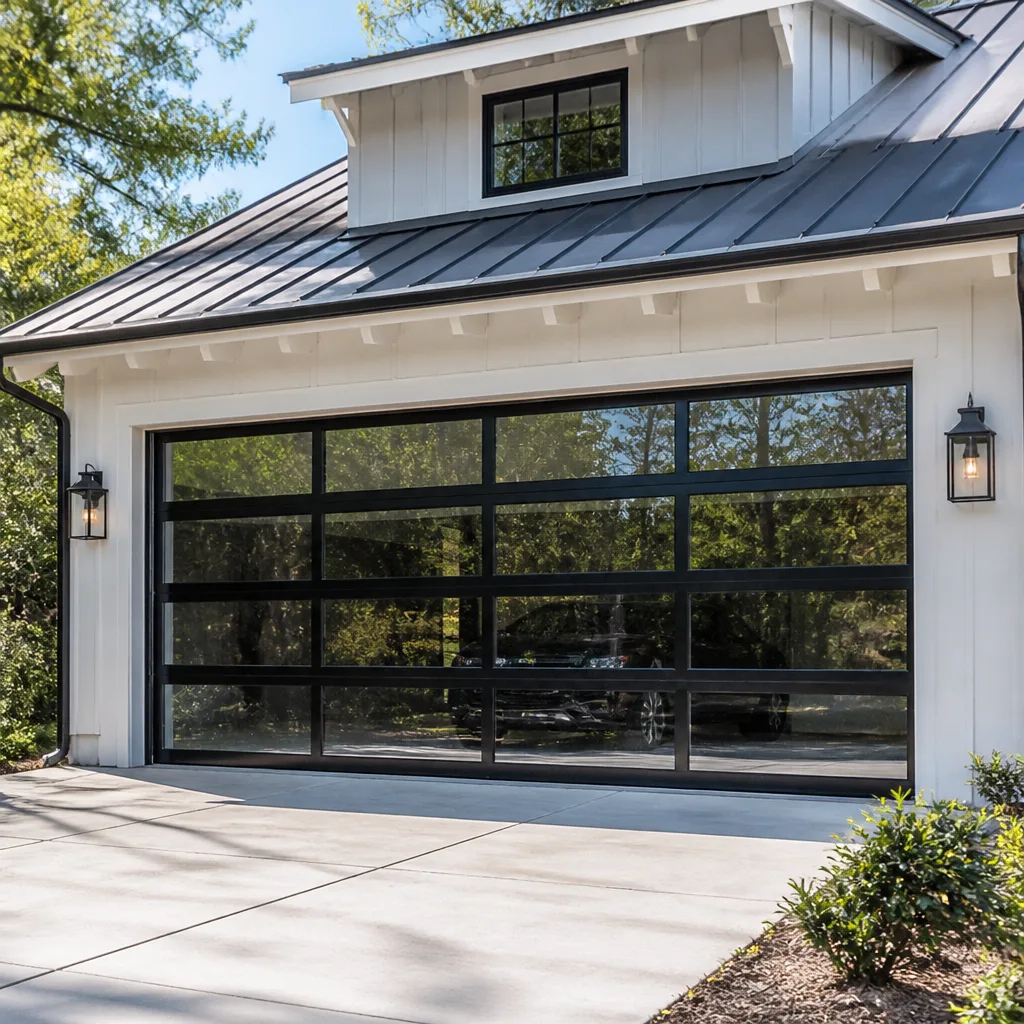 Full-view glass
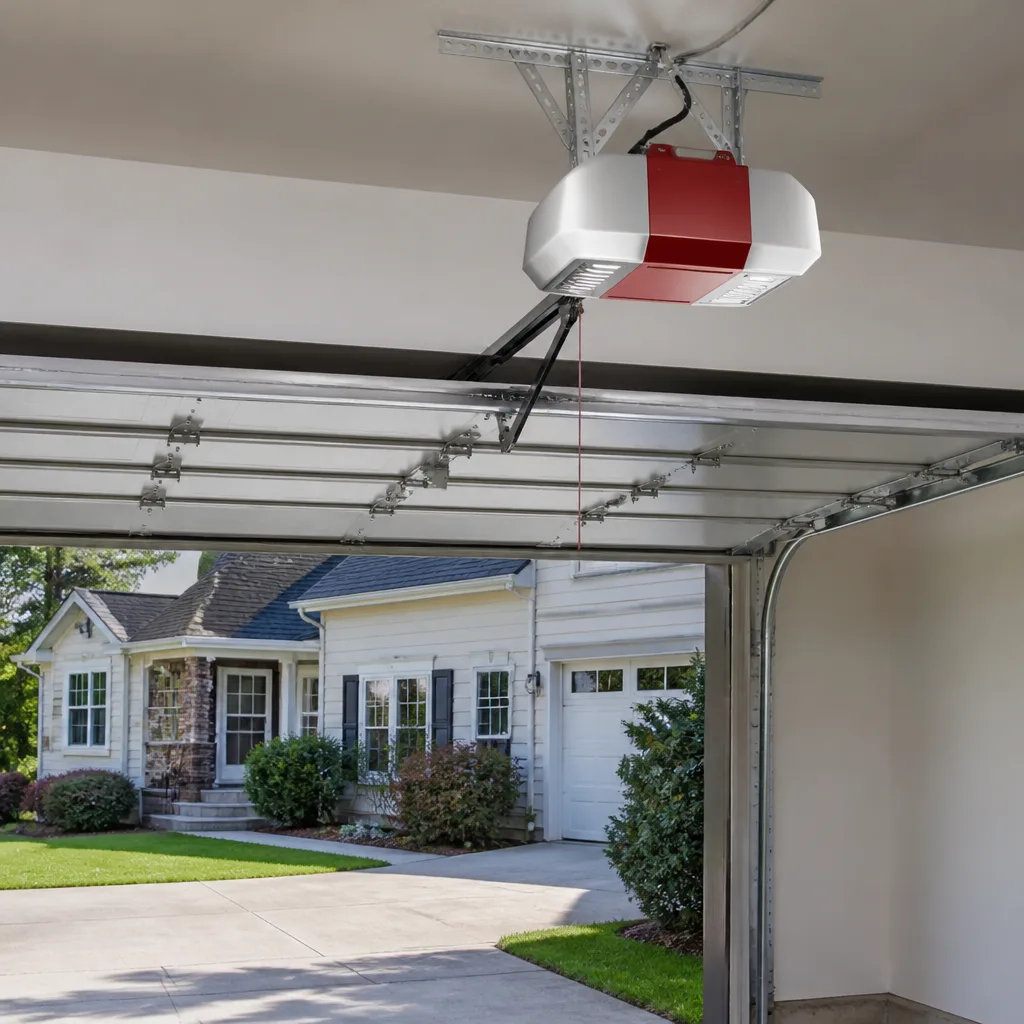 LiftMaster openers
 Chamberlain openers
Full 25-point door and opener safety check with every visit - springs, cables, rollers, tracks, and your LiftMaster or Chamberlain opener included
You get a price before we start. It does not change when the pro arrives.
Get your free estimateGarage Door Repair Maintenance Checklist for Naperville Homeowners
Most garage door maintenance checklists are copied from the same manufacturer PDFs, and they all rank the checks by how easy they are to do, not by what actually fails. That’s backwards for a cold-climate suburb like Naperville. In our experience, the calls that come in with a car trapped inside a garage aren’t often spring failures at all. They’re the result of a bottom seal that gave up quietly, letting meltwater in through a Naperville winter until the drum cable rusted through. This guide ranks the checks by failure frequency in Naperville garages, shows you what you can safely check yourself, and marks the line where you should stop and call a specialist.
Quick Answer
The most useful garage door maintenance checklist for Naperville homeowners is ranked by what fails most, not what’s easiest to see. Start with the bottom seal and weatherstripping (moisture and thermal loss are the biggest silent killers here), then the drum cables, then the opener’s force-limit setting, and only then the springs and rollers. Most of these can be inspected safely from the ground; none of the spring or cable work should be touched or adjusted by hand.
Styles & brands we work with
- Raised-panel steel
- Carriage house
- Modern flush
- Full-view glass
- LiftMaster openers
- Chamberlain openers
Table of Contents
- Which Garage Door Parts Fail Most Often in Naperville?
- The Bottom Seal: Naperville’s Most Overlooked Failure
- How to Inspect Cables and Drums Without Touching Spring Tension
- Weatherstripping Audit for Attached Garages
- The Opener Force-Limit Test (and Why Cold Snaps Matter)
- What a Technician Checks in 20 Minutes That You’ll Miss
- Seasonal Timing: A Naperville Maintenance Calendar
- Brand-Specific Behavior: What to Expect From Your Opener
Which Garage Door Parts Fail Most Often in Naperville?
Ranked by how often we see them trigger emergency calls in Naperville, the failure order is: bottom seals and weatherstripping, then drum cables, then torsion or extension springs, then opener logic boards and force-limit issues, then rollers and hinges, then track damage. The order surprises people. Springs get all the attention because they fail loudly, but seals and cables fail quietly and often take a door down harder.
Here’s the ranking with the reasoning behind each spot:
- Bottom seal and weatherstripping. Naperville’s freeze-thaw cycles chew through rubber faster than people expect. Once the seal cracks, water tracks into the bottom bracket and drum area.
- Drum cables. A rusted or frayed cable usually follows a failed seal by a season or two. It strands the door without warning when it snaps.
- Springs. Cold mornings in January and February are the worst for torsion springs. A spring at the end of its cycle fails on the first deep freeze.
- Opener force limits and logic boards. More often a symptom than a cause. The opener strains against a sticky door or a cold-stiffened seal and trips its safety limit.
- Rollers and hinges. Wear gradually, cause noise and vibration long before they cause a failure.
- Tracks. Fail after an impact or a door that’s been run out of alignment for months.
If your door is already stuck, the fix is a distinct job from maintenance. When a door stops mid-cycle or won’t close, that’s when you need garage door repair rather than a checklist. For the maintenance side, work down this list in order and you’ll catch the common failures before they strand you.
The Bottom Seal: Naperville’s Most Overlooked Failure
The bottom seal is the rubber strip that runs along the bottom edge of the door. It’s the cheapest part on the whole door, and it’s the one that most often leads to the expensive repair. In Naperville’s climate, that strip takes the worst beating of any component: it sits against a concrete floor that stays damp from meltwater, flexes every time the door moves, and freezes hard in January.
What to check, and what it means:
- Compression test. Close the door and look at the seal from inside with the lights on. If you can see daylight under any section, the seal isn’t compressing. Note the location.
- Texture test. Run your hand along the seal (door closed, opener disconnected so it can’t move). A healthy seal feels rubbery and springs back. One that feels crusty, stiff or leaves black residue on your fingers is done.
- Cracking at the corners. Corners take the most flex. Look for splits you can see on the underside where you normally don’t look.
- Standing water. After a heavy rain or a quick thaw, check whether water is pooling inside the garage along the door line. That’s a seal failure even if the rubber looks okay.
- Wind infiltration. On a windy day, feel along the bottom edge from inside. Any noticeable draft means the seal isn’t doing its job.
Replacing the seal is a routine job we do regularly across Naperville, usually alongside a cable or roller inspection because the two are physically close and the same visit makes sense. What matters is that a failing seal gets replaced before it takes the cable with it. The damage happens over two or three winters, not overnight, which is why a maintenance check once a year catches it every time.
How to Inspect Cables and Drums Without Touching Spring Tension
You can safely look at your cables and drums. You cannot safely touch them, adjust them or try to re-seat them. The cables carry the full tension of the springs, and if a cable is under load, it can snap and whip when you handle it.
Do the visual inspection from the ground, door closed, with the opener disconnected so the door stays put:
- Look at the full length of each cable. On a standard sectional door, one cable runs down each side from the drum to the bottom bracket. Look for fraying, a kink, or strands that have separated from the twist.
- Check for rust. Rust on the cable usually starts near the bottom bracket where moisture collects. A rust-stained cable is a failing cable.
- Look at the drum. The drum is the spool at the top of each side that the cable winds onto. It should be clean and the cable should be wound evenly. A cable that looks bunched on one side is a warning sign.
- Check the bottom bracket. The metal piece holding the cable at the bottom. Look for cracks or rust-through. Do not loosen it. It’s under tension.
- Operate the door once. Open and close, watching each cable from a safe distance. If a cable goes slack (not taut) at any point, stop using the door.
If anything you see raises a flag, don’t run the door again. Call a specialist. In our experience the cable-and-drum failure is the one most likely to strand you without warning, and once the cable is frayed the repair is a trained-tools job. Drum and cable work needs to happen before the spring fails too, not after.
Weatherstripping Audit for Attached Garages
Most homes around Naperville have an attached garage, which means the garage wall is part of the house envelope. The weatherstripping on the door is doing double duty: keeping out weather and keeping warm interior air from leaking into a cold garage. A visual check isn’t enough. You need a thermal gap test to know if the stripping is actually sealing.
Here’s the audit method:
- Close the door fully. Make sure it seats against the floor and doesn’t ride up.
- Light gap test. From inside with the overhead lights off, look for daylight around the vertical sides and top. Any visible gap is a leak point. Note the location (top left, top center, top right, sides).
- Draft test. On a cold or windy day, hold the back of your hand near the frame along the top and sides. Feeling cold air coming in means the weatherstripping isn’t sealing even if it looks intact.
- Thermal gap test. If you have a handheld infrared thermometer, scan along the interior frame while the door is closed on a cold day. A sudden temperature drop on the wall or frame near the door line means there’s cold air reaching the interior wall. This catches gaps that the light and draft tests miss.
- Feel along the bottom seal at the same time. Cold air coming up from under the door shows a double failure.
Weatherstripping that’s stiff or torn should be replaced as a unit. On an attached garage, the air leaking through it is conditioned interior air, so a bad strip costs you comfort every day the heat runs. That’s the practical reason we treat the weatherstripping as a first-order maintenance item, not a cosmetic one.
The Opener Force-Limit Test (and Why Cold Snaps Matter)
The opener’s force limit is the amount of resistance the opener will tolerate before it reverses or stops. It’s a safety feature and it matters most in the first cold snap of the season. Colder weather stiffens the seal, thickens the rollers, and adds friction to every moving part at once. If the force limit was set fine in October, it may trip in January against the same door.
How to test it without doing a repair:
- Disconnect the opener from the door (pull the red emergency release).
- Raise and lower the door by hand. It should balance, staying put when released halfway. If it drops or rises on its own, the spring tension is off, and that’s a technician job.
- Reconnect the opener.
- Place a small object under the door (a 2×4 laid flat, for example), on the floor at the closing edge.
- Close the door from the wall control. It should reverse or stop on contact with the object. If it keeps pressing, the force limit is too high or the safety sensors on the sides aren’t doing their job.
- Test the safety sensors. With the door on its way down, wave something in front of the sensor. The door should reverse immediately. If it doesn’t, the sensor alignment is off.
Adjusting the force limit itself is a technician setting, and it’s the kind of adjustment that most homeowner mistakes come from (see Common Mistakes below). If your Chamberlain or Genie opener is straining in cold weather, the right fix is usually the underlying friction, not a force-limit change.
If the opener won’t respond, won’t close, or clunks when you press the button, that’s a specific job. We handle garage door opener repair as its own category and diagnose it separately from mechanical door problems.
What a Technician Checks in 20 Minutes That You’ll Miss
A trained technician walks the door and the opener as a system, not as a list of parts. The differences between a homeowner’s check and a technician’s 20-minute pass usually come down to the things you can’t easily see from the ground. Our technicians have up to 15 years of experience, which shows mostly in what they look at first and how quick they are to rule things out.
The diagnostic logic, in order:
- Balance the door. Disconnect the opener, lift the door to the halfway point, and see if it stays. If it drifts, the spring is balanced wrong or already failing. This is the single most informative test on the whole checklist.
- Check the torsion bar and cable windings from the top of the door. A cable wound unevenly on the drum or a torsion tube that’s sagging tells the technician whether the spring is doing its share of the lift.
- Listen for the door as it runs. Sounds matter. A wheel bearing grinding, a roller squeaking, or a hinge clicking all point to wear that a visual check alone won’t catch.
- Test the opener’s travel and force settings against the door’s actual weight and resistance at the time of the visit, not a setting from last year.
- Check the alignment of the sensors and whether the safety reverse engages on a proper obstruction.
- Look at the bottom seal and weatherstripping the same way you did, only with an eye toward what one more winter will do to them.
- Look at the wall control and remote wiring for signs of moisture or loose connections, particularly at the exterior keypad if you have one.
You can replicate much of this logic yourself. The one step you should not attempt is spring and cable adjustment. When you reach the point where a balance test fails, or a cable is frayed, you’ve reached the technician line. Same for a door that’s out of alignment and binding in the tracks. Those are all a phone call. Before you do anything else, run the safety check: never put your hand near the springs, cables or drums while the door is under tension.
Seasonal Timing: A Naperville Maintenance Calendar
Because Naperville has real seasons, a garage door maintenance schedule lands better if it follows the calendar. Here’s how we suggest spacing the checks:
- Late fall (before the first hard freeze). The most important window. Replace a worn bottom seal now so meltwater doesn’t have six months to work on the cables. Lubricate the rollers and hinges with a silicone-based garage door lubricant. Run the force-limit test one last time while the weather is mild.
- Midwinter (January and February). Listen for new noises on cold mornings. Test the balance of the door once. Check the drum cables for rust near the bottom brackets. If the door starts reversing on the way down, force-limit or sensor problem, call before you force it.
- Spring thaw. Watch for water inside the garage along the door line. Check the bottom seal for cracks opened up by the freeze-thaw cycle. Check the wall control and keypad wiring for moisture, since meltwater finds those connections.
- Summer. A quieter season for failures but a good time to handle anything you found in winter. Check the tracks for accumulated grit and wipe them down. Check the weatherstripping.
If your door is showing its age and a spring or cable repair is coming up, it’s worth considering whether a full replacement makes more sense than another round of repairs. For that conversation, our garage door installation service covers new Clopay, Amarr, Wayne Dalton and Raynor doors, measured and quoted in writing.
Brand-Specific Behavior: What to Expect From Your Opener
Openers fail in predictable ways depending on the brand, and knowing what to look for helps you recognize a problem earlier. We’re factory-familiar with eight major residential brands, and the diagnostic differences are real. A Chamberlain or LiftMaster with a battery-backup feature sounds different when it transitions; a Genie with a chain-drive often wears in a way that makes a characteristic rattle before a repair. Clopay and Amarr door panels wear at the hinges differently than a Wayne Dalton or Raynor door because the panel construction varies.
What this means for a homeowner:
- Don’t assume every symptom points to the opener. With Chamberlain and LiftMaster openers especially, the “opener is failing” call often turns out to be a door that’s binding or a cold-stiffened seal the opener can’t push past.
- Know the difference between an opener failure and a door failure. If the door runs smoothly by hand with the opener disconnected, the problem is in the opener. If the door is hard to move by hand, the problem is mechanical.
- Match parts to your brand when you can. An aftermarket replacement part that fits a LiftMaster opener usually won’t fit a Genie. This is why our team trains on all eight brands, so we show up prepared with the right part or know instantly which part to order.
If you want the full-service view of what we do around Naperville, our Naperville Garage Door Repair Pros page covers repair, opener repair, spring repair, installation and emergency service in one place. The brand-aware diagnosis is the through-line on all of it.
Common Mistakes to Avoid
- Adjusting the force limit to make a straining door close. If the opener is straining, something on the door is binding. Dialing up the force to compensate just pushes the opener until it fails harder.
- Greasing the tracks. Garage door tracks don’t need lubricant, and greasing them collects grit that makes the door run worse. Lubricate rollers, hinges and bearings; leave the tracks clean and dry.
- Pulling the red release cord while looking up at it. The release cord is the emergency disconnect, not a maintenance tool. Pulling it while the door is at the top can drop the door on you.
- Ignoring a bottom seal because it “still looks okay.” Naperville winter water damage doesn’t happen overnight. It usually takes two or three seasons of a slow seal failure to rust through a drum cable.
- Cutting the bottom seal as a DIY fix. A trimmed seal doesn’t compress evenly, and the door may run out of alignment in the tracks. It’s a cheap part; replace it, don’t trim it.
- Testing the safety reverse with a person in the door’s path. Always test with a small flat object (a piece of 2×4, an empty box), never a person, pet or hand.
- Assuming a slow opener means a failing opener. This is the most common diagnostic mistake we see in Naperville. The opener is usually reporting a door or seal problem, not causing one.
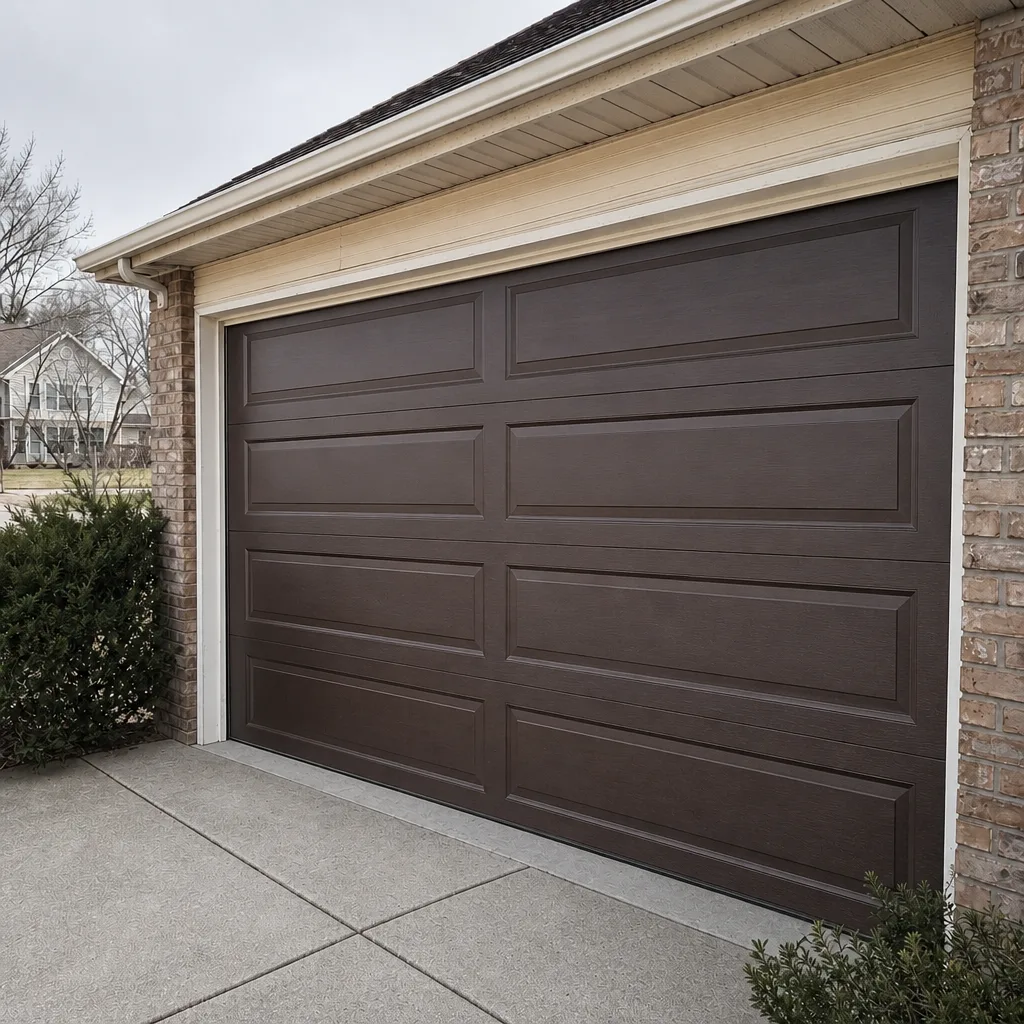
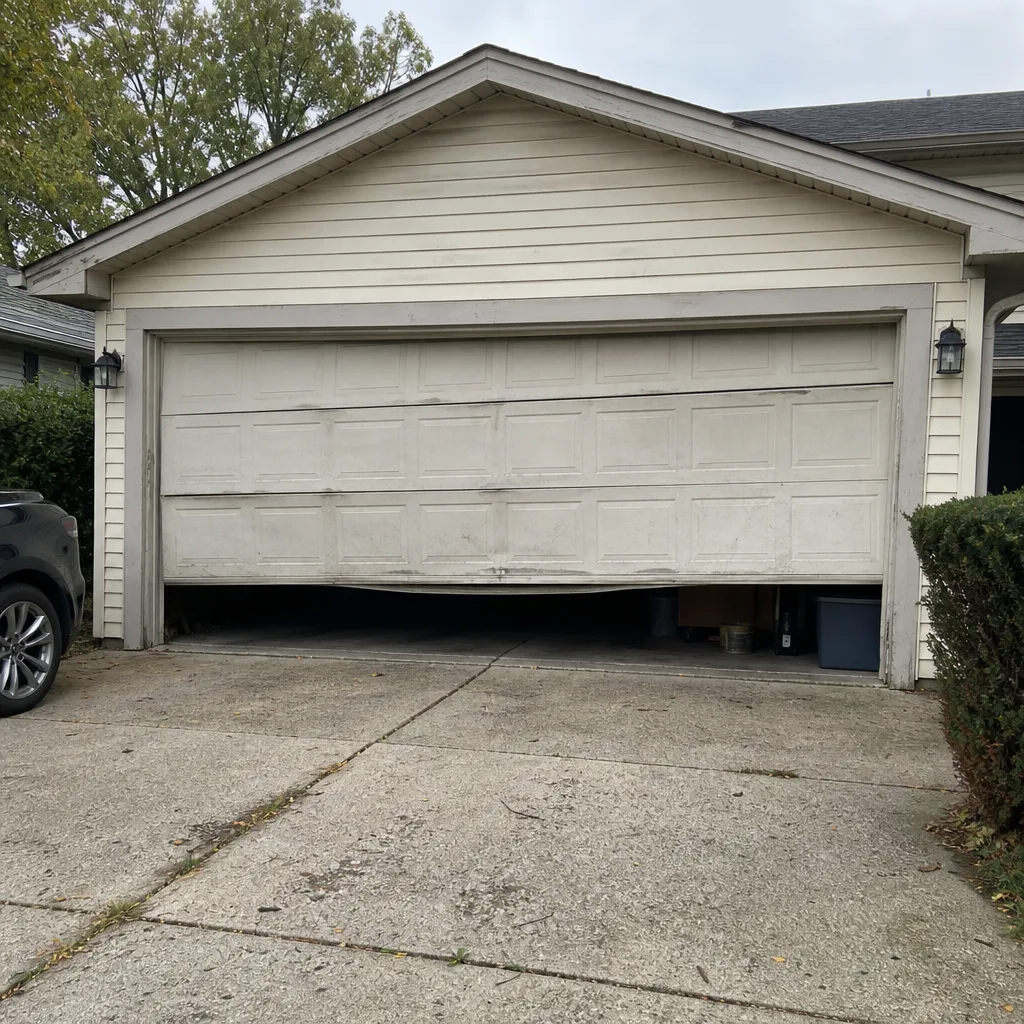
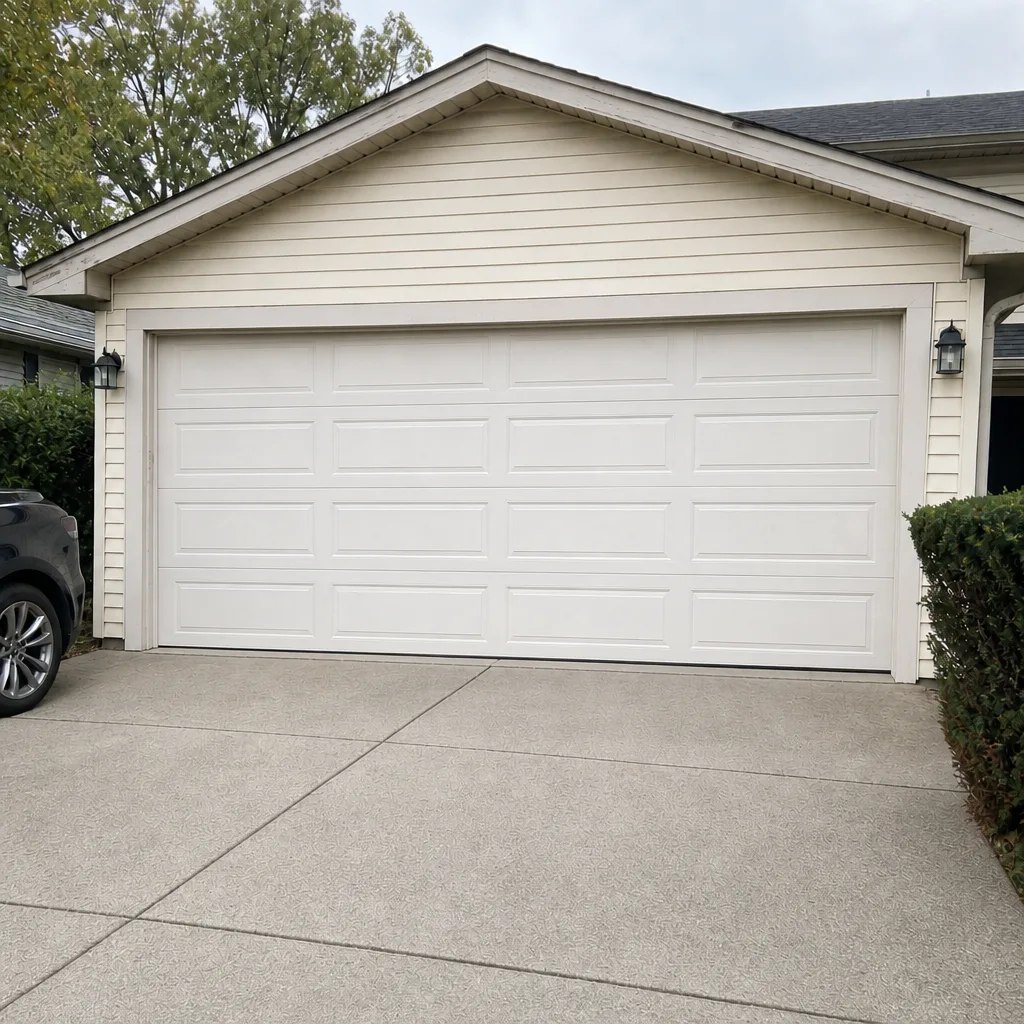
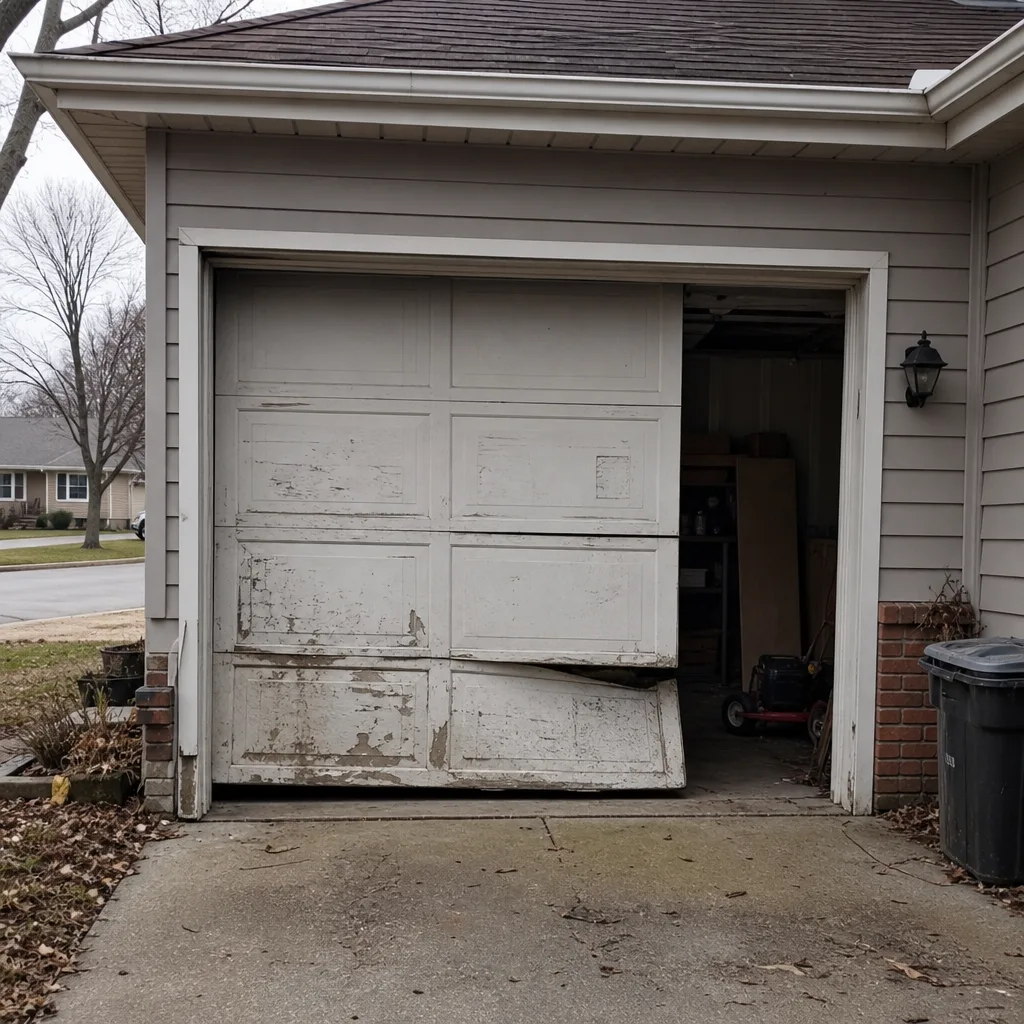
See the difference
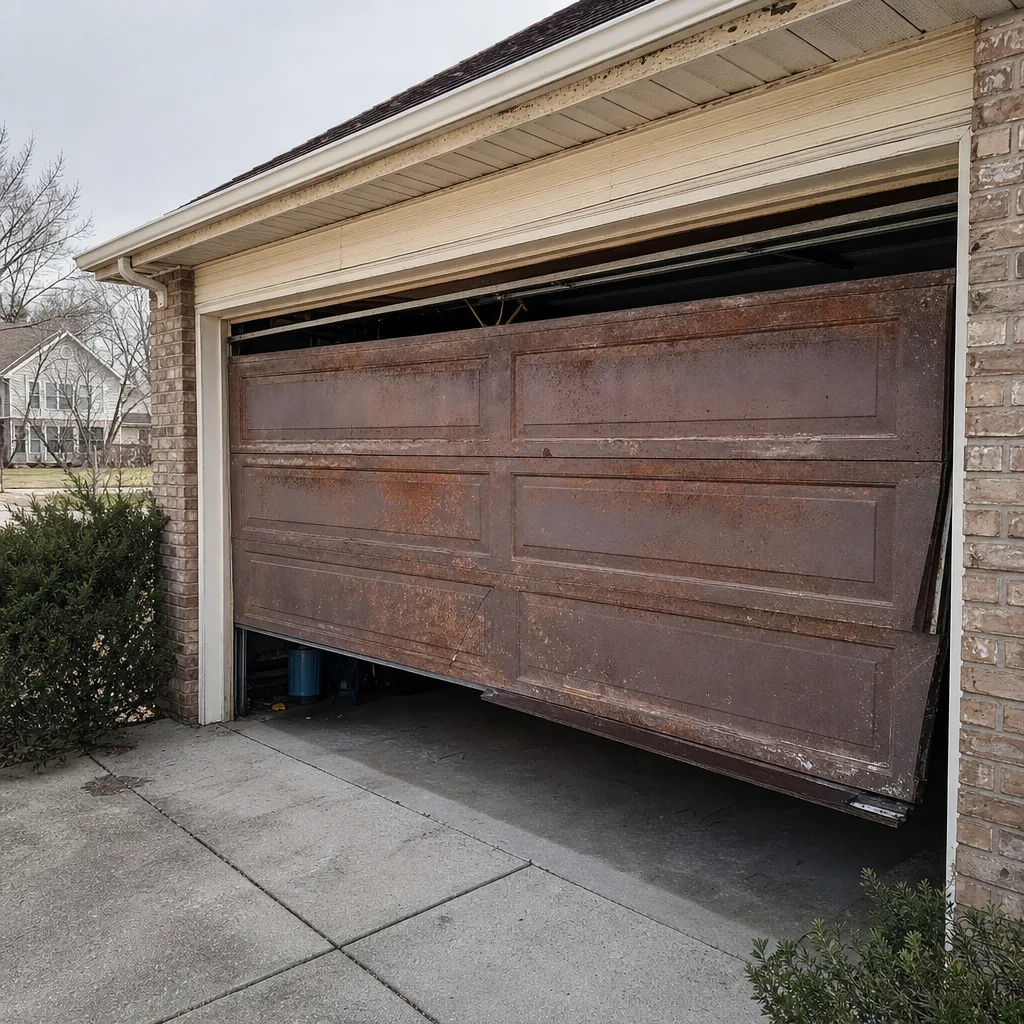 Before
 After
 Before
 After
 Before
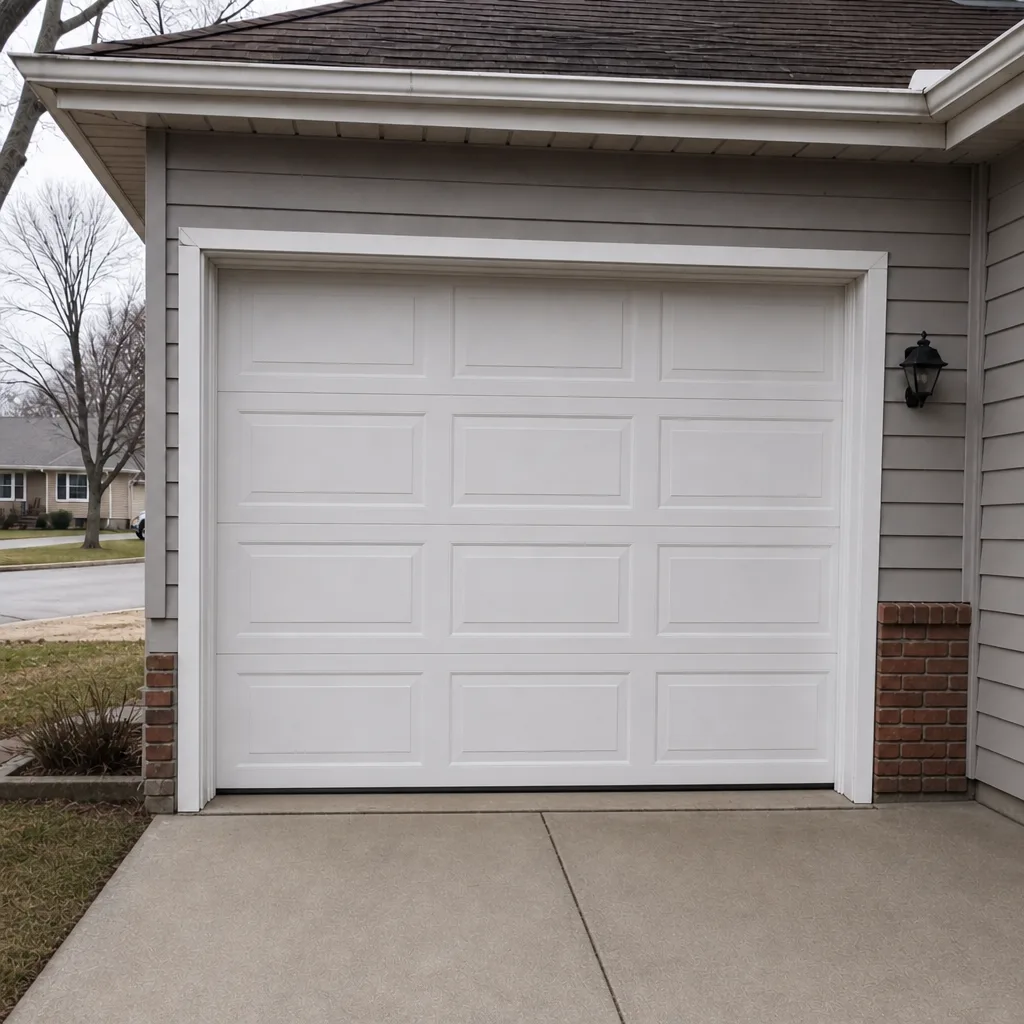 After
When to Call a Professional
Call a specialist when any of these are true: your door won’t balance when you disconnect the opener and lift it halfway; a cable looks frayed, rusted or slack; you hear a loud bang from the garage (spring failure); the door is running unevenly in the tracks; or the opener is straining, reversing on a clear path, or clicking without moving. All of these are trained-tools jobs, and some are dangerous. Springs and cables are under serious tension and can cause injury to hands, eyes or worse if handled without the right technique.
Naperville Garage Door Repair Pros offers free estimates in Naperville – call (866) 947-9076. We answer 24/7, fast dispatch from 7am to 7pm, Sunday through Friday. We’re a garage door specialist, so the person who shows up is trained on springs, cables, openers and door mechanics, not a general handyman working through a different checklist.
Frequently Asked Questions
Once a year with a deeper check before the first hard freeze, plus a quick noise-and-balance listen any cold morning you notice a new sound. Naperville’s freeze-thaw cycle is hardest on the bottom seal, so late fall is your most valuable maintenance window – that’s when replacing a stiff seal prevents a cable repair later.
No, and it’s the most dangerous job on the whole checklist. Torsion and extension springs are under enough tension to cause serious injury, and the tools to handle them safely aren’t household tools. Spring replacement is a trained-specialist job; call (866) 947-9076 for a free estimate on a spring replacement.
In our experience, a failed bottom seal leading to a rusted drum cable – not a broken spring, despite the attention springs get. The seal fails quietly over a couple of winters, meltwater tracks into the bottom bracket, and the cable eventually snaps. That’s why the seal sits at the top of our maintenance checklist.
Not necessarily. An opener that reverses on a clear path is usually either tripping its force limit because the door is binding, or losing a safety sensor alignment. Test the door’s balance first: if it doesn’t stay put when released halfway, the problem is mechanical, not the opener. Call (866) 947-9076 and we’ll diagnose it without guessing.
It will if the force limit is set correctly for the coldest conditions and the door’s moving parts are in good shape. Cold weather stiffens the seal and adds friction, so a door that ran fine in October can trip a force-limit setting in January. That’s why we recommend a fall force-limit test rather than a midwinter one.
Very likely. We work on LiftMaster, Chamberlain, Genie, Clopay, Amarr, Wayne Dalton, Craftsman and Raynor – the eight brands most commonly installed on residential doors in Naperville. If your opener or door is one of those, we’ll come prepared with the right diagnostic knowledge and the right part.
Call (866) 947-9076 for an exact quote – estimates are free.
The Bottom Line
The most valuable maintenance check on your garage door isn’t the spring – it’s the bottom seal, followed by the drum cables. Both fail quietly in Naperville’s climate, and both cause expensive damage if you wait for a failure. Rank the checklist by what actually fails (seals and cables first, then springs, then openers), test the door’s balance once a season by disconnecting the opener, run the force-limit test before the first hard freeze, and leave spring and cable adjustments to a trained specialist. Do that, and the emergency call becomes the rare exception instead of the annual event.
If you’re ready to book a maintenance visit, have a door that’s already stuck, or need a free estimate on a repair, call (866) 947-9076. We answer 24/7. Fast dispatch from 7am to 7pm, Sunday through Friday. The price is quoted and agreed before any work starts.
Written by the team at Naperville Garage Door Repair Pros.