
Last updated November 23, 2026
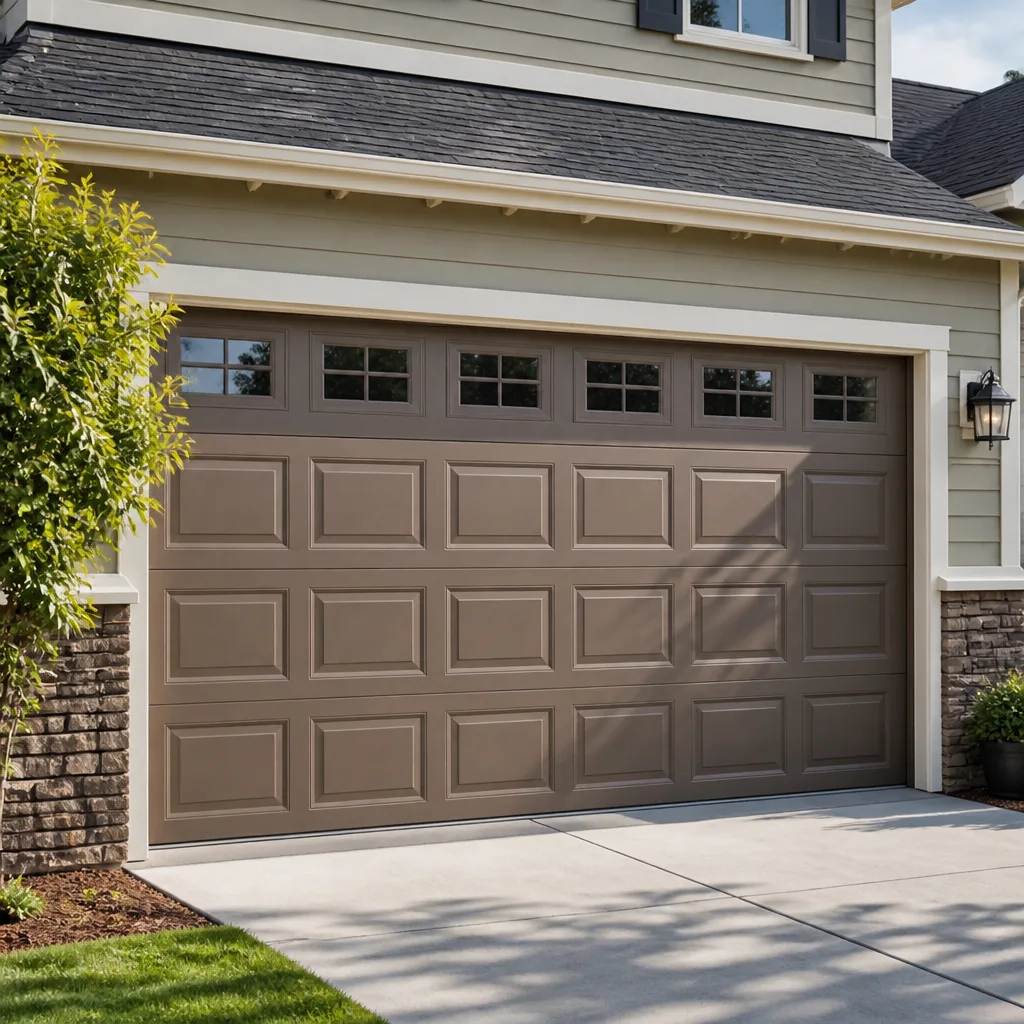 Raised-panel steel
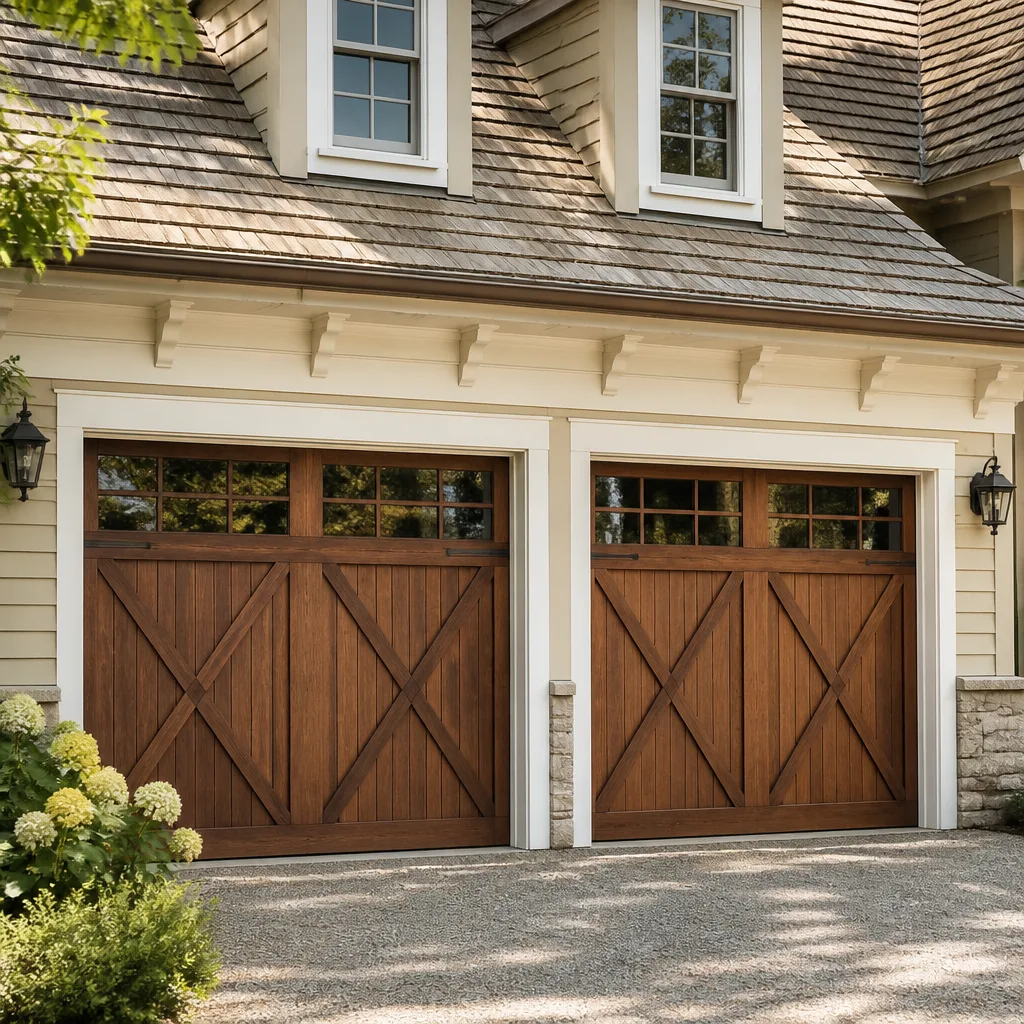 Carriage house
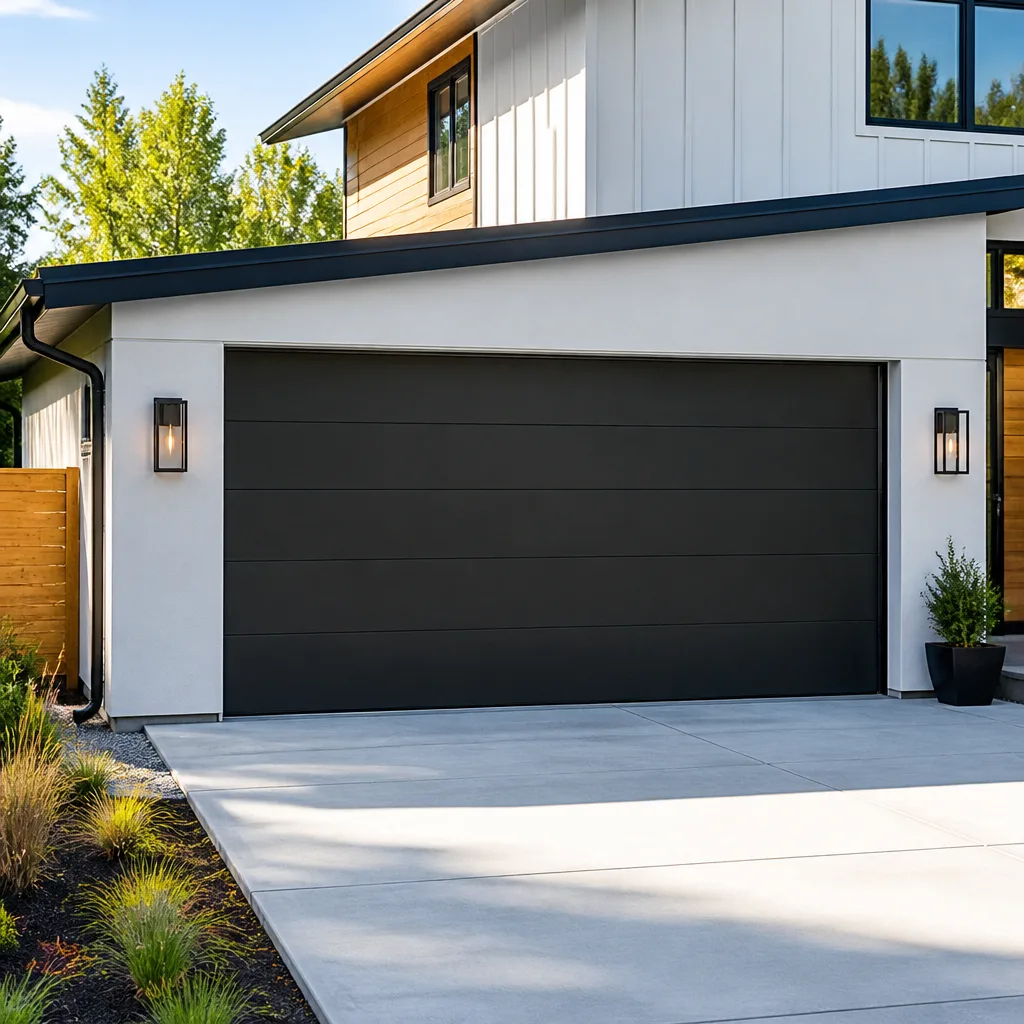 Modern flush
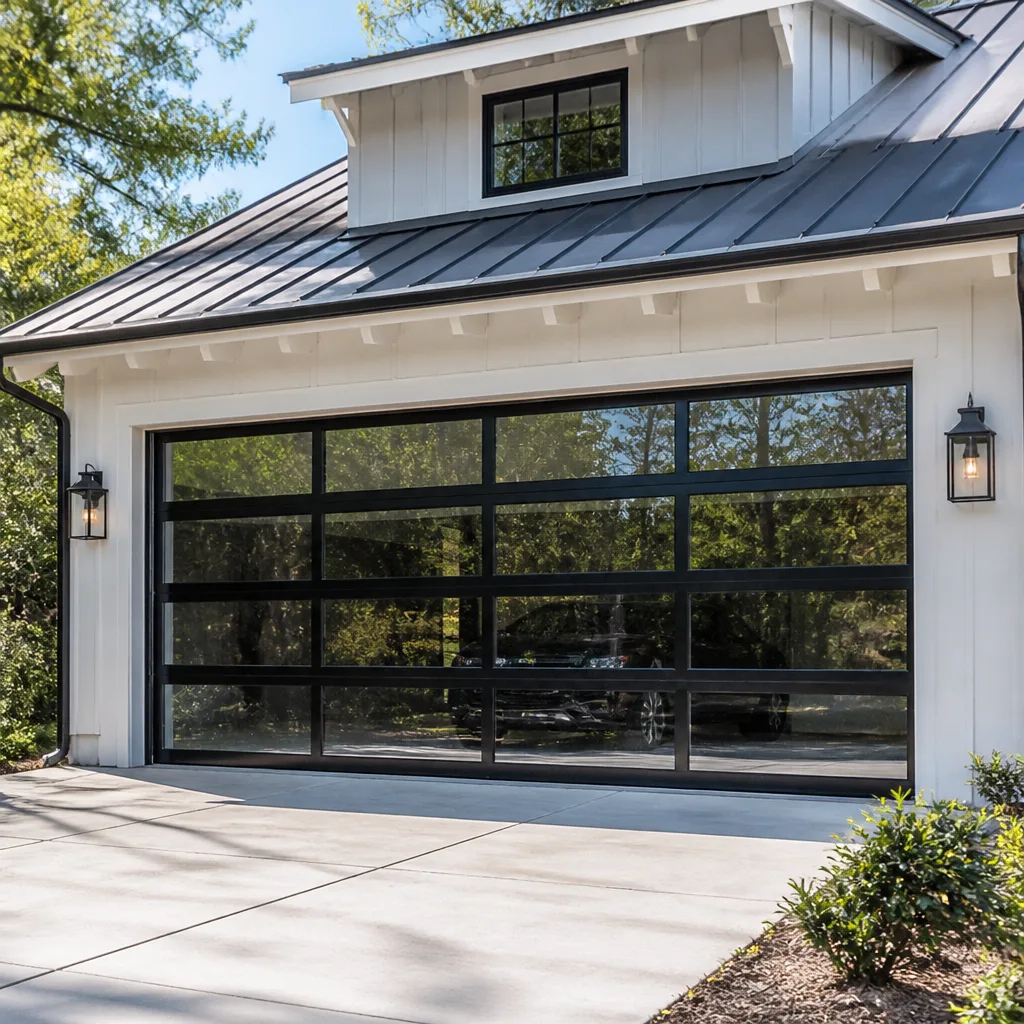 Full-view glass
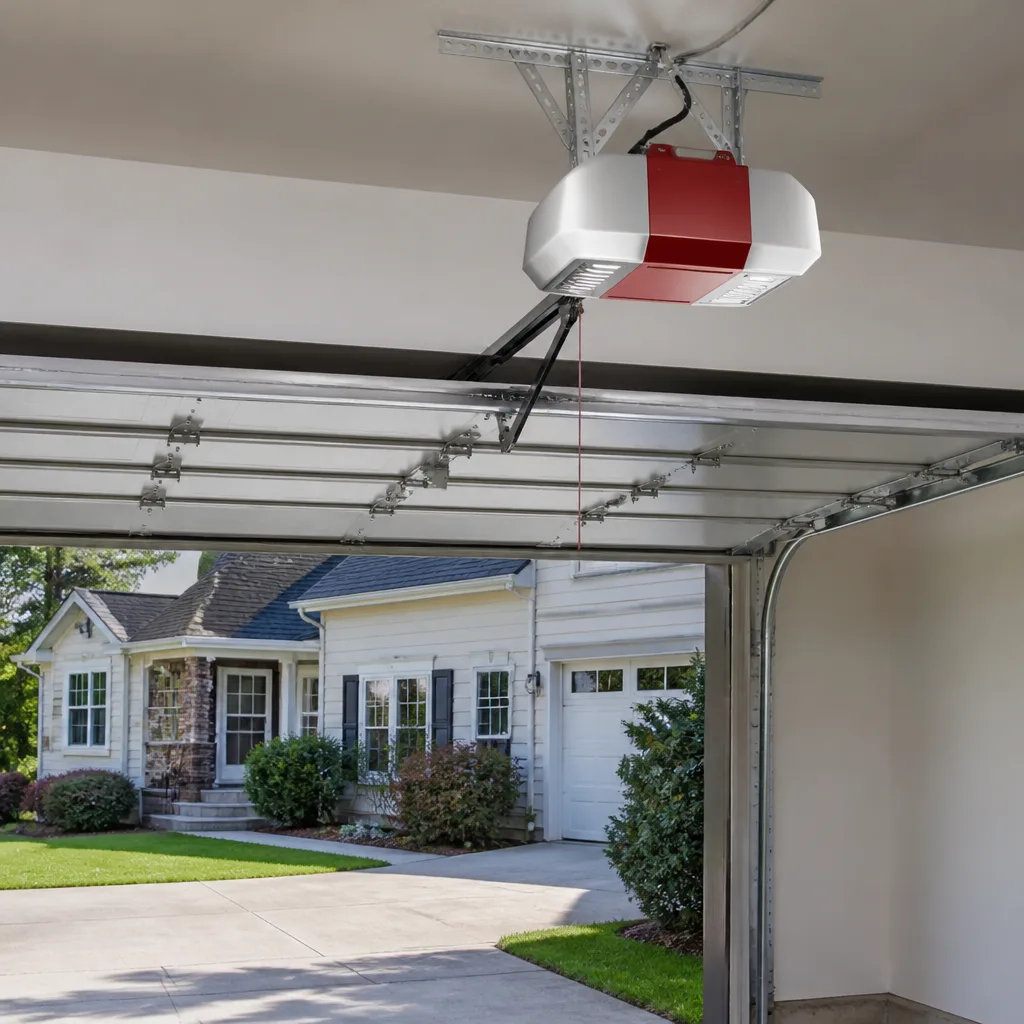 LiftMaster openers
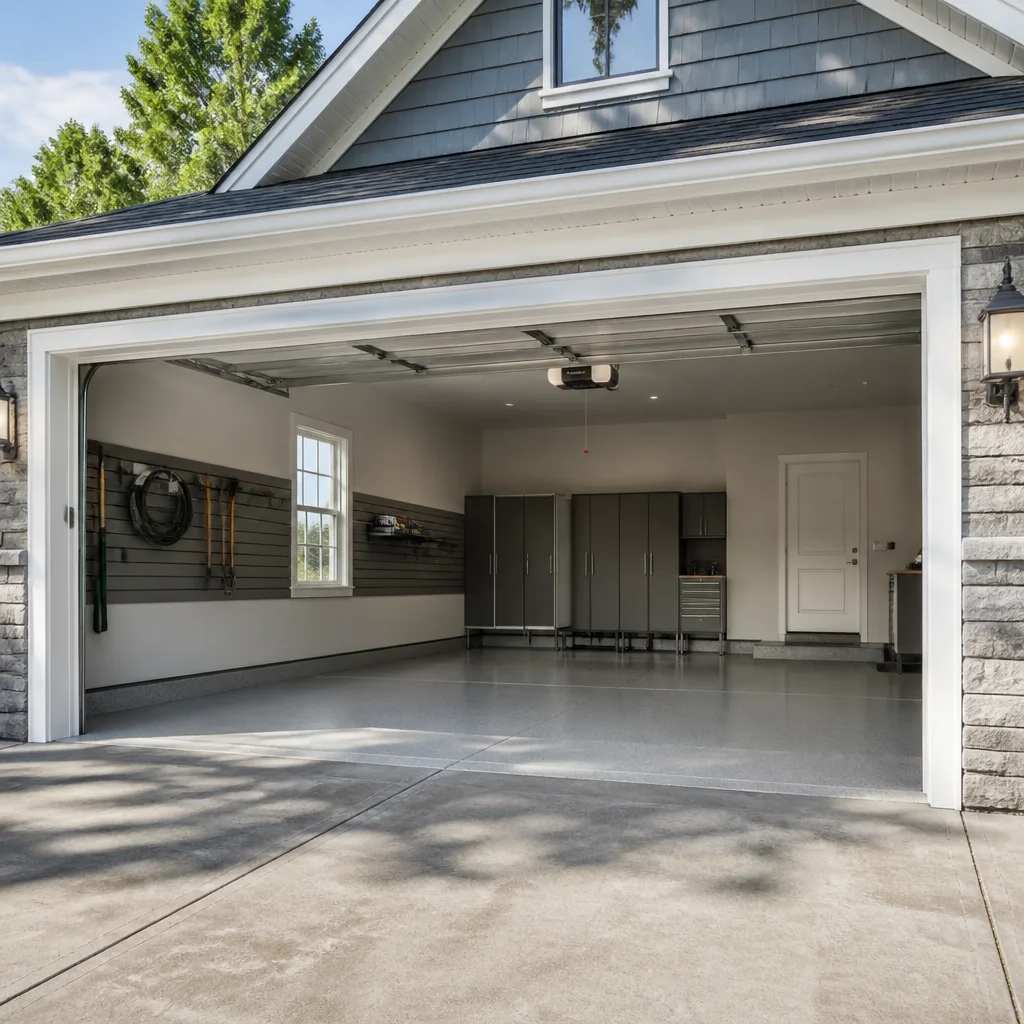 Chamberlain openers
Full 25-point door and opener safety check with every visit - springs, cables, rollers, tracks, and your LiftMaster or Chamberlain opener included
You get a price before we start. It does not change when the pro arrives.
Get your free estimateHow to Hire a Garage Door Contractor in Naperville: A Step-by-Step Guide
A quote that arrives in under 60 seconds via text, before anyone has asked for your door dimensions, spring type, or opener model, is a red flag, not efficiency. Garage door work is diagnosis-heavy: a heavy Clopay door that won’t lift and a lightweight Amarr door that drifts down share almost no parts and rarely share the same fix. When a quote lands that fast, it means the number was generated before anyone looked at your door. In this guide we’ll walk through the five questions that separate real garage door specialists from generalists with a ladder, what Illinois licensing does and doesn’t cover, how to read a written estimate line by line, and the Naperville-specific signals worth watching for before you book anyone.
Quick Answer
To hire a garage door contractor in Naperville, interview for depth of specialization rather than just price and availability. Ask specifically about your door’s brand and spring type, confirm exactly what the written estimate includes and whether labor carries its own warranty, and verify the contractor can point to a physical address and real local parts sourcing. A garage door specialist diagnoses by brand and model; a generalist guesses and substitutes.
Styles & brands we work with
- Raised-panel steel
- Carriage house
- Modern flush
- Full-view glass
- LiftMaster openers
- Chamberlain openers
Table of Contents
- Specialist or Generalist? The First Distinction
- Five Diagnostic Questions to Ask Before You Book
- What Illinois Contractor Licensing Covers (and What It Doesn’t)
- How to Read a Garage Door Estimate Line by Line
- Parts Warranty vs. Labor Warranty: Which Matters More
- Naperville Market Red Flags
- How Naperville Homes and Weather Shape the Job
- A Step-by-Step Booking Walkthrough
Specialist or Generalist? The First Distinction
Garage door repair gets listed under a lot of home-service businesses. Pest control companies mention it. Handymen add it to their websites. Window installers sometimes fold it into a package. The problem isn’t dishonesty so much as depth: a generalist keeps a handful of universal parts on hand and hopes one of them fits your door. A garage door specialist works from the door’s actual specifications, which is why the diagnosis usually takes longer than the repair.
Here’s what we mean in practice. Torsion springs are sized by wire gauge, inside diameter, and length, and they’re matched to the combined weight of the door panels, glass, and hardware. A technician who carries one spring size will try to make it work. A specialist measures, weighs, and orders the correct spring for your specific door. Same story with openers: a LiftMaster logic board failure behaves differently from a Genie safety-sensor fault, and a Chamberlain wall control that intermittently stops responding points in a third direction entirely. Diagnosing by brand behavior, not guesswork, is the whole difference.
In the Naperville market, that distinction matters because the housing stock is wide. You’ll find newer construction with builder-grade doors alongside doors from the 1980s and 1990s that have been serviced a dozen times. A specialist can tell you which era your door is from, what parts are still available, and whether repair or replacement is the better call.
A Naperville Garage Door Repair Pros specialist would rather diagnose precisely than guess at the cheapest universal part. That’s the standard to hold any contractor to.
Five Diagnostic Questions to Ask Before You Book
These five questions work because they can’t be answered generically. A generalist will fumble at least two of them; a specialist will answer all five without hesitating. Ask them on the phone before you schedule.
- “What spring type does my door have?” Torsion springs mount horizontally above the door; extension springs run along the sides. If the person on the phone can’t explain the difference without looking it up, that’s your answer about their depth.
- “Do you stock the correct spring for my door size and weight, or do you order it?” A real answer acknowledges that springs are sized to the door. A vague answer (“we have what we need”) suggests one-size-fits-all inventory.
- “What opener brands do you work on regularly?” Listen for specifics: LiftMaster, Chamberlain, Genie, Craftsman, and others. A genuine specialist will name brands and admit if yours is one they don’t see often.
- “Is the estimate written with line items, or bundled?” Specialists separate labor, parts, and disposal. Bundled pricing hides markup where you can’t see it.
- “What’s the labor warranty on a spring or cable replacement?” Parts warranties are common; labor warranties are the real indicator. A contractor who won’t stand behind their own labor is telling you something.
Notice that none of these ask about price. Price is important, but it’s a bad first question because it invites exactly the fast quote this guide warns against. Get the depth signals first, then get the number.
What Illinois Contractor Licensing Covers (and What It Doesn’t)
This is where a lot of homeowners get caught. Illinois does not have a statewide general contractor license, and it doesn’t have a specific statewide license for garage door technicians. That means the licensing question you’d ask a plumber or electrician does not have an equivalent clean answer here. Garage door work sits in a gap that varies by municipality.
What that means for hiring in Naperville:
- Check with the city. The City of Naperville’s building department can tell you whether a permit or registration applies to your specific project, and whether any contractor registration is required. Garage door replacement or install often triggers inspection requirements; simple repairs usually don’t.
- Ask about insurance directly. Since there’s no statewide license to verify, ask for a certificate of insurance from the company you hire. A licensed and insured local professional should be able to provide proof on request.
- Ask about electrical work separately. Opener wiring and electrical panel connections run into your home’s electrical system. If the job includes new circuits, that portion may fall under electrical licensing rules. Ask your city’s building department what’s required.
- Ask what training the technicians have. Without a formal license class, training is the credential. Ask how technicians learn spring replacement and opener diagnostics.
The takeaway: don’t assume a contractor license number protects you on garage door work. Do the verification yourself by asking the city and the contractor.
How to Read a Garage Door Estimate Line by Line
A written estimate should show you what you’re paying for, not just a total. If you get a single dollar figure with a description like “garage door repair,” ask for a breakdown. Here’s what a well-structured estimate looks like.
- Diagnostic or inspection line. If the estimate can’t be written without a look, some contractors note it as a line item. If it’s included in the price, that should be stated.
- Parts, itemized. Torsion springs should be quoted per spring; a matched pair costs roughly twice a single spring. Cables, rollers, hinges, and end plates should appear individually if replaced.
- Labor, itemized. Separated from parts so you can see what the technician’s time costs.
- Disposal or haul-away. If the old door or spring is removed, say so on the estimate.
- Taxes and permit fees. If a permit is required, it should be its own line.
Bundled pricing isn’t automatically a scam, but it obscures the math. When a spring, two cables, a set of rollers, and opener repair appear as one line, you can’t tell whether the spring markup is realistic or doubled. Ask for separation. A contractor confident in their pricing won’t object.
For a sense of how the numbers work in this market, look at our garage door repair page, which breaks down typical cost ranges for common jobs. Spring pricing is usually per spring, and Naperville door installations sit in a range that reflects both size and brand.
Parts Warranty vs. Labor Warranty: Which Matters More
On paper, a warranty looks like the safety net. In practice, two kinds of warranty apply to garage door work, and they cover different things. The parts warranty covers the component: if a spring fails early or an opener motor burns out, the manufacturer will supply a replacement part. The labor warranty covers the technician’s work: if the installation was done wrong, the labor to fix it is covered.
For springs and cables, the labor warranty matters more, for two reasons. First, springs are a high-stress component: they cycle thousands of times a year, and a spring that’s the wrong size will fail faster than the part itself suggests. Second, if that spring fails, the labor to replace it again costs as much as the part. A parts warranty alone leaves you covering the swap.
When you get your written estimate, ask three things:
- How long is the parts warranty on the spring you’re quoting?
- How long is the labor warranty on the install?
- What voids either warranty?
Listen for specific terms. If the answer is a vague “we stand behind our work,” ask for it in writing. A contractor who’s confident in their spring sizing will put a labor term on paper.
Naperville Market Red Flags
Naperville is a large, mostly suburban market with an active home-services landscape. That’s good for you as a buyer, but it also means a lot of companies are positioning themselves as “local” when they aren’t. Here are the signals worth watching for.
- Out-of-area dispatch centers. If the person answering the phone can’t tell you what city they’re in or can’t name any Naperville neighborhoods, you may be calling a national dispatch funnel. Ask directly where the technician will come from.
- No physical address. A physical address isn’t a license, but it’s a baseline. Ask for the company’s office address and confirm it’s a real business location. A P.O. box or a generic coworking address is worth a follow-up question.
- Same-day promises without inventory disclosure. Same-day repair is a real thing when the parts are on hand. Ask whether the specific part your door needs is available today and where it’s coming from. If the answer is “we’ll figure it out,” the same-day promise is marketing.
- No brand knowledge. If the person on the phone can’t name any brands other than “brand X,” you’re likely to get a universal part substituted into your LiftMaster or Chamberlain opener.
- Estimates without a site visit. For a spring or opener problem, a legitimate quote requires either a description of the door or a look at it. A text-message estimate for a job requiring a specific spring size is a guess.
None of these are proof of a bad contractor individually. Any one of them should prompt a follow-up question.
How Naperville Homes and Weather Shape the Job
A garage door in Naperville takes a specific kind of abuse. The region’s freeze-thaw cycles are the main factor. Between late fall and early spring, overnight temperatures routinely drop below freezing and bounce back above during the day. That cycle works on the steel in your door, on the springs, and on the tracks.
What that means in practice for a technician:
- Springs are under more stress in winter. Cold stiffens the grease inside extension springs and makes torsion springs more brittle. This is why spring failures cluster in the colder months.
- Tracks shift with the soil. Clay-heavy soil expands and contracts with moisture, which can throw a door slightly out of level or push a track out of alignment. If your door is binding intermittently after a wet fall, the tracks may be the issue.
- Door seals and thresholds wear faster. The rubber gasket at the floor and the weatherstripping at the edges dry out and crack from the temperature swings. It’s a smaller job than a spring replacement but affects energy loss.
- Openers work harder in cold months. If a door is slightly stiff, the opener compensates. Over seasons, that extra effort shows up as premature motor wear on Chamberlain or Genie units that were sized for a warmer climate.
The result: Naperville garage doors spend more days in the year under load than doors in milder zones. If you’re planning a garage door installation, ask whether the door and spring package you’re considering is sized for a cold-climate cycle count. It’s a question most generalists won’t answer.
A Step-by-Step Booking Walkthrough
Once you’ve narrowed your candidates to one or two, the actual booking should follow a predictable sequence. Here’s how a well-run process looks from the homeowner’s side.
- Describe the problem on the phone. The door’s symptom (won’t open, won’t close, opens halfway, opener makes a grinding sound) narrows the diagnosis. A good dispatcher will ask follow-up questions about the door material and opener brand.
- Get the written estimate before work starts. Before any repair, you should have a written price covering parts and labor. The price you agree to is the price on the invoice.
- Ask about parts lead time. If the part isn’t in stock, ask when it will arrive. For springs, timing matters more than for rollers or hinges.
- Confirm the appointment window. For a scheduled install, ask for a time window and confirm whether the window can be tightened the day before.
- Confirm the warranty in writing. Labor and parts terms should appear on the invoice before the technician leaves.
- Do a test cycle before the technician leaves. Open and close the door two or three times with the technician there. Ask them to demonstrate the safety reverse test.
If you’re dealing with an opener that won’t respond, schedule a garage door opener repair before you decide the door itself needs service. Opener failures and door failures look similar from the outside, and a good diagnostic prevents replacing the wrong part.
Common Mistakes to Avoid
- Booking the fastest quote without asking about parts. Fast dispatchers are often national networks with a generic parts inventory. Confirm the contractor can source the specific spring or opener component your door needs.
- Assuming a contractor license covers garage door work. Illinois doesn’t have a statewide license for this trade. Verify with the city’s building department and ask about insurance separately.
- Accepting a bundled estimate without a breakdown. A single-line quote for spring, cables, rollers, and opener work hides the math. Ask for parts and labor separated.
- Ignoring the labor warranty. A parts warranty won’t cover the second visit if the install was wrong. Ask for the labor term in writing before you book.
- Calling a handyman for a spring repair. Spring work requires specific tools and training; it’s the one garage door job where a generalist’s guesswork can hurt you. Call a specialist.
- Skipping the safety reverse test. After any repair, run the safety reverse test with the technician present. It’s the simplest check that the door is set up correctly.
- Choosing an out-of-area call center. If the phone answerer can’t identify any Naperville neighborhoods or tell you where the technician is coming from, keep looking.
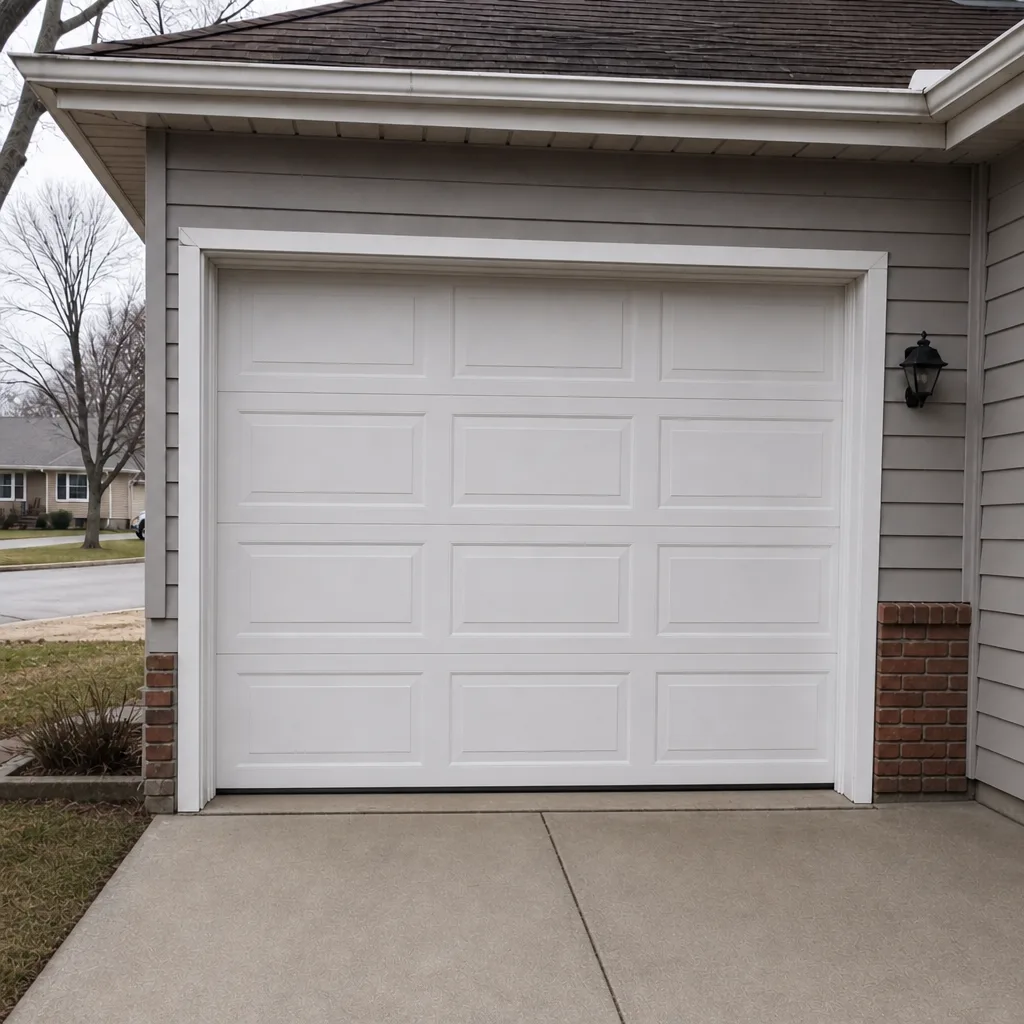
See the difference
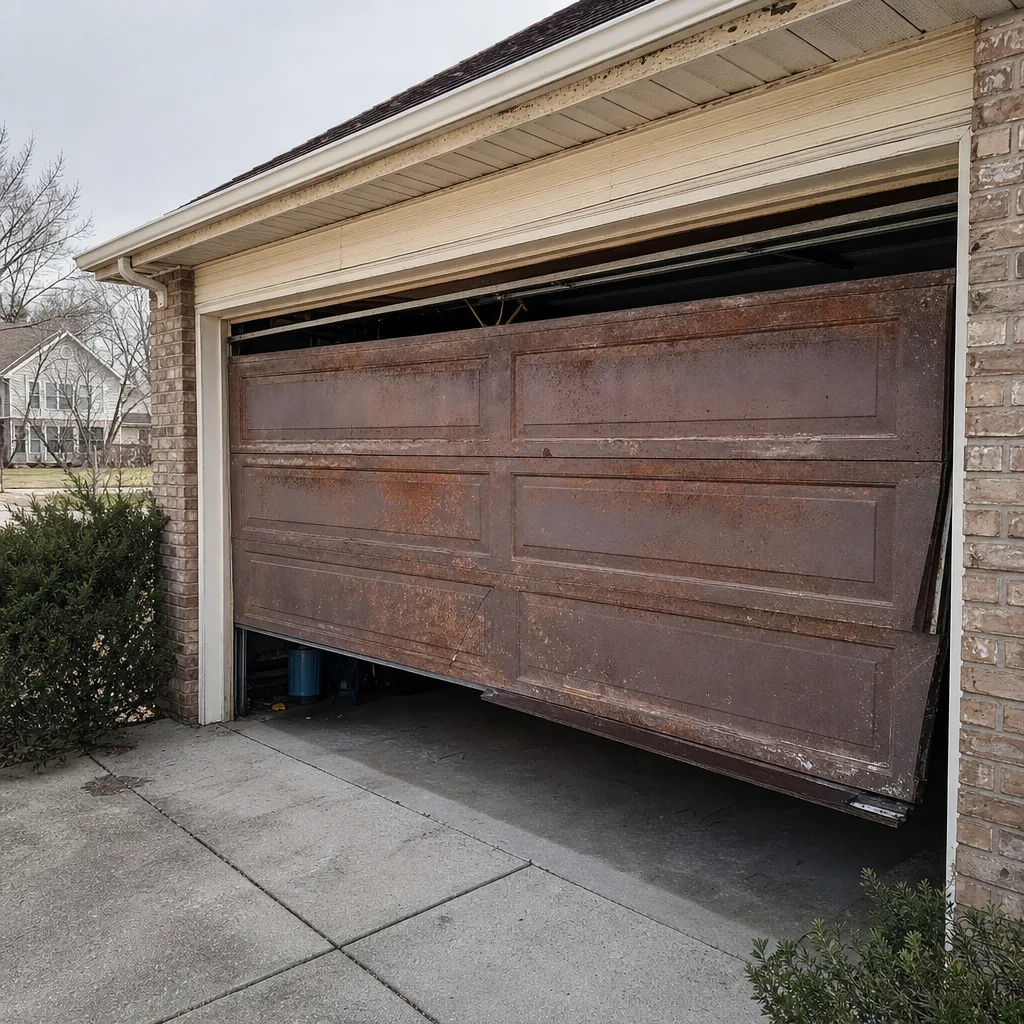 Before
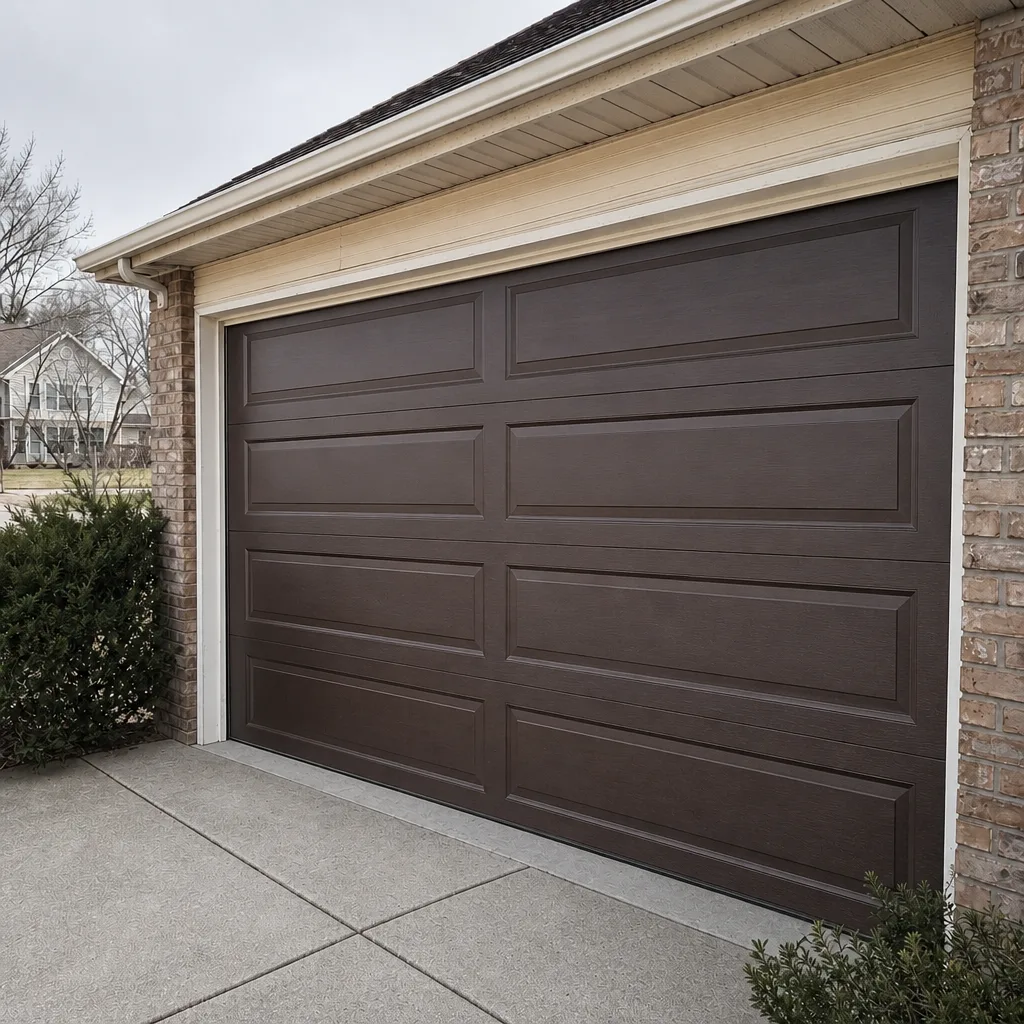 After
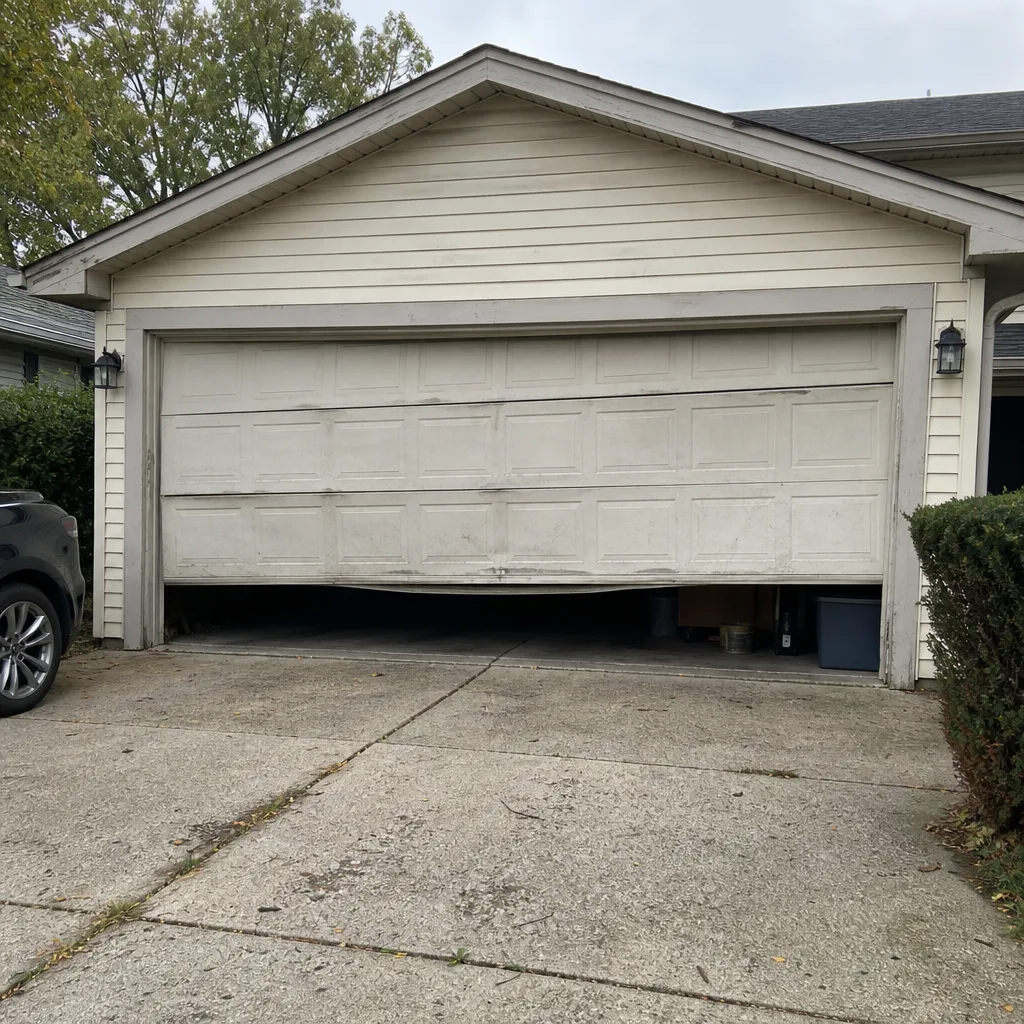 Before
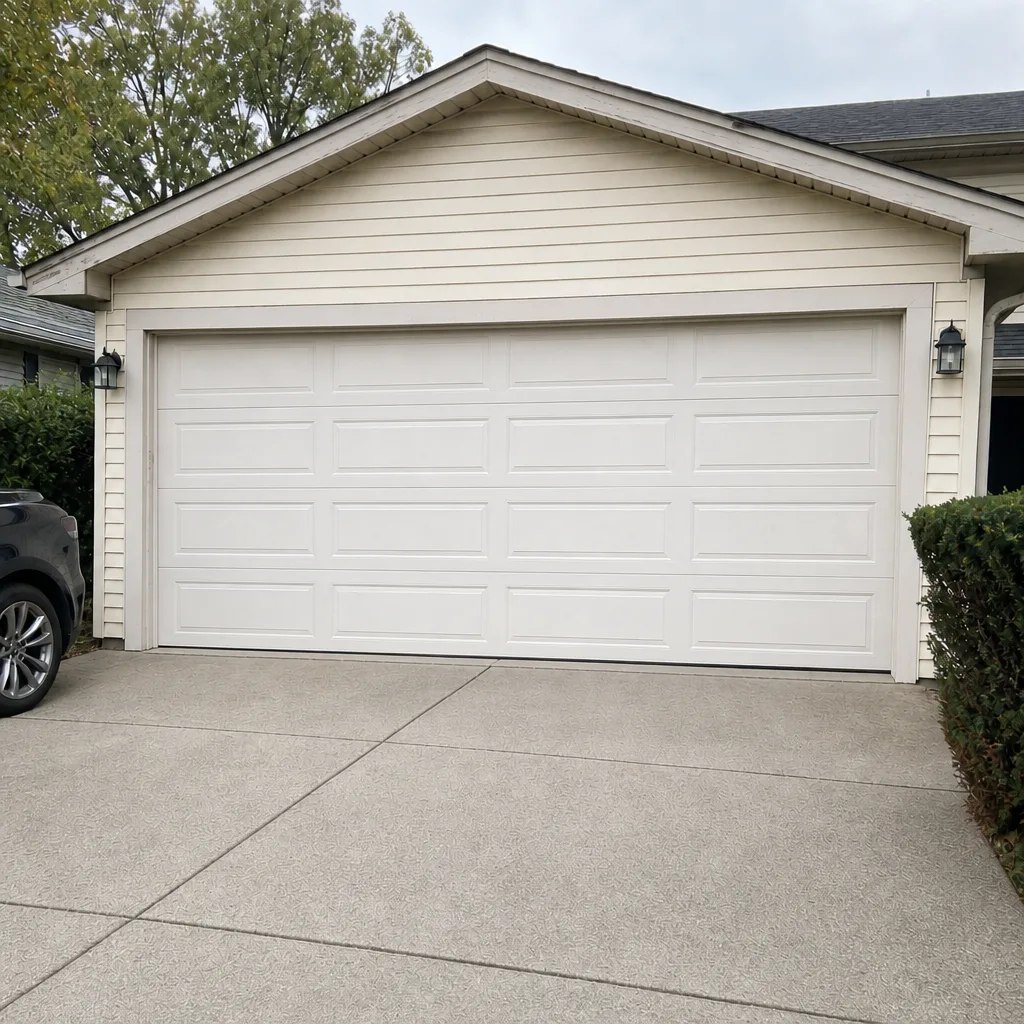 After
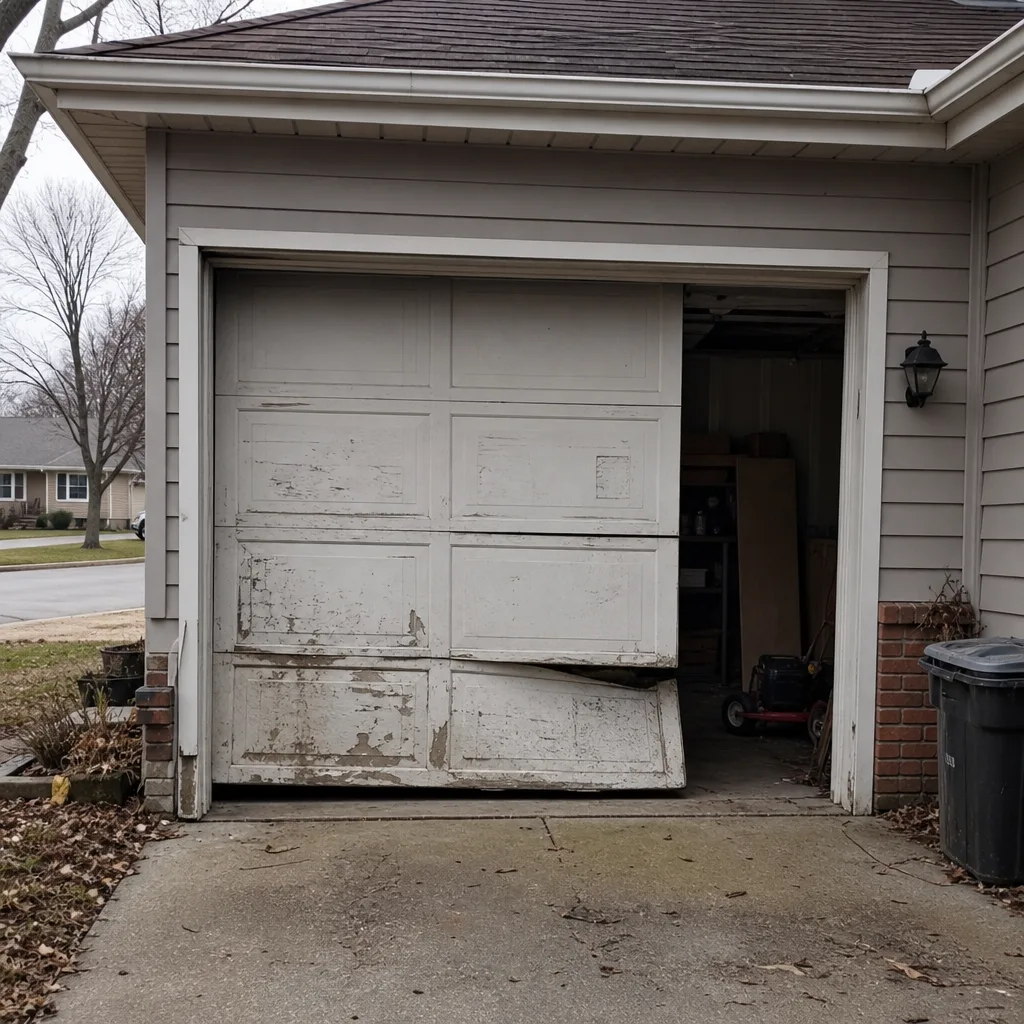 Before
 After
When to Call a Professional
Some garage door problems are genuinely DIY territory: replacing a remote battery, resetting an opener, or clearing an obstruction in the track. Others are not. Call a professional when a spring is broken or visibly sagging, when a cable is off its drum or frayed, when the door is off its tracks, or when the opener won’t respond after basic troubleshooting. Spring work and cable work involve stored tension and can cause serious injury if handled without the right tools and technique; we recommend leaving both to a trained technician. Electrical work at the opener or panel is another job for a qualified pro. Naperville Garage Door Repair Pros offers free estimates in Naperville – call (866) 947-9076. We answer 24/7. Fast dispatch from 7am to 7pm, Sunday through Friday.
Frequently Asked Questions
A real specialist can answer brand- and model-specific questions on the phone without looking anything up. Ask them to describe the difference between torsion and extension springs, list the opener brands they work on regularly, and explain why springs are sized to the door. A generalist will give vague or universal answers; a specialist will give specifics.
Illinois does not have a statewide license specific to garage door work, and it doesn’t have a statewide general contractor license. Some municipalities require contractor registration or permits for certain jobs. Ask the City of Naperville’s building department whether your specific project triggers any requirement, and ask the contractor for proof of insurance regardless. Call (866) 947-9076 for an exact quote – estimates are free.
A written estimate should separate parts, labor, disposal, and any permit fees, and it should state the warranty terms on both parts and labor. Spring pricing should be quoted per spring, not per pair, so you can see the actual component cost. If any line is bundled, ask for a breakdown before you agree.
A text quote that arrives before anyone asks about your door’s dimensions, spring type, or opener model is a guess, not a diagnosis. Garage door springs are sized specifically; openers diagnose differently by brand. A legitimate estimate requires either a description of the door on the phone or an on-site look. If the number arrives faster than the questions, the number is unreliable.
A parts warranty covers the component itself; a labor warranty covers the technician’s installation work. For springs and cables, the labor warranty matters more because a second visit to replace a failed spring costs as much as the part. Ask for both terms in writing before booking.
Yes. Naperville Garage Door Repair Pros provides free estimates. Call (866) 947-9076. We answer 24/7. Fast dispatch from 7am to 7pm, Sunday through Friday. For scheduled installation work, we’ll set up a measure and a written price before anything is ordered.
The Bottom Line
Hiring a garage door contractor in Naperville comes down to interviewing for depth. Ask about spring types, brand-specific opener behavior, and parts sourcing before you ask about price. Confirm what Illinois licensing does and doesn’t cover by checking with the city’s building department. Get a written estimate with parts and labor separated, and require a labor warranty in writing for spring and cable work. Watch for out-of-area dispatch centers and same-day promises that don’t come with inventory disclosure. Do those four things and you’ll avoid the most common pitfalls in this market. Call (866) 947-9076 for a free estimate and a written price before any work starts. Our technicians have up to 15 years of experience and are trained on eight of the most widely installed residential brands.
Written by the team at Naperville Garage Door Repair Pros.